
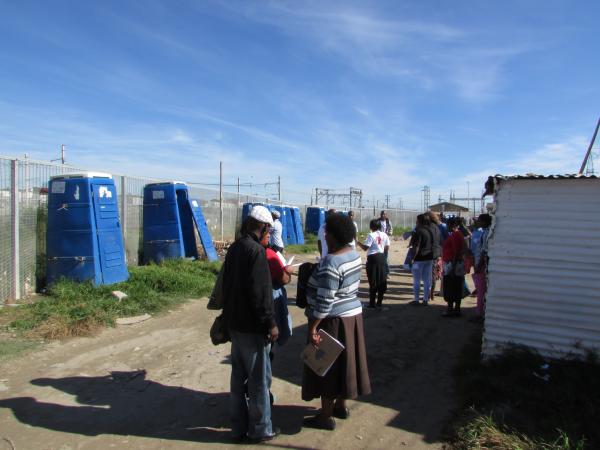
Activist group accuses City of failing to monitor toilet contracts
On 27 April the Social Justice Coalition (SJC) held a meeting in Khayelitsha to report the results of an audit of toilets provided by a supplier contracted to the City of Cape Town. On 10 May the SJC released a written report of the audit's findings.
Fergus Turner
News | 16 May 2013
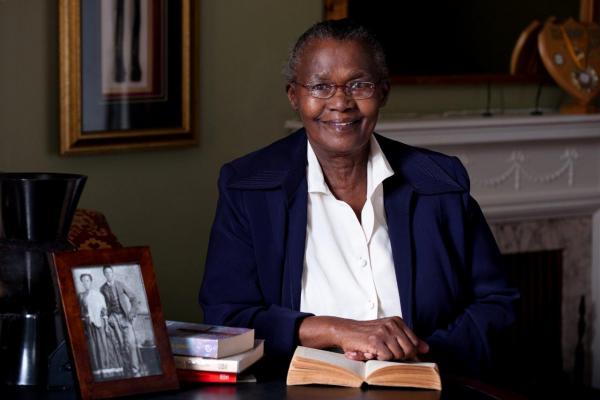
“˜Prodigal daughters’ speak out at Franschoek literary festival
The exile experience of women in the liberation movements — a largely neglected aspect of recent South African history — will feature this year at the Franschhoek Literary Festival in a discussion involving the octogenarian feminist writer, Lauretta Ngcobo.
Terry Bell
News | 16 May 2013
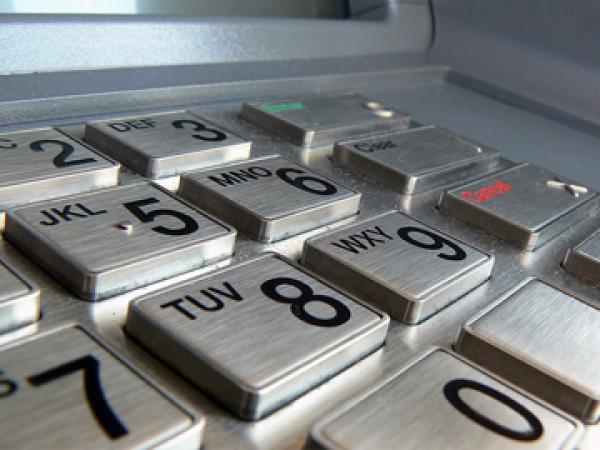
What do the big banks offer low-income earners?
Low-income earners are people who are unemployed or those making just enough to get by on a single or joint monthly income. What do banks really offer these South Africans?
Mary-Anne Gontsana
News | 15 May 2013
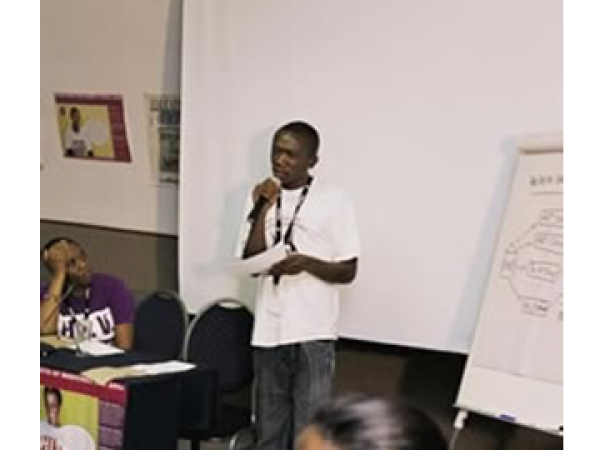
Paul Kasonkomona fights for fair trial
Paul Kasonkomona, an HIV/Aids activist based in Zambia, appeared in the Lusaka Magistrate's Court today (15 May) on charges of idle and disorderly behaviour. He was arrested last month after calling on the Zambian government to decriminalise homosexuality and to respect the human rights of gay people, prisoners, and sex workers. Kasonkomona's case was postponed today after his defence attorneys, SBN Legal Practitioners, filed a constitutional application on two grounds.
Jonathan Dockney
News | 15 May 2013
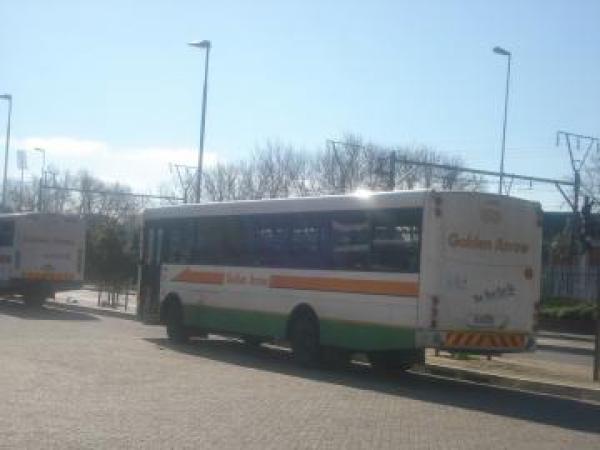
Struggle for disabled people to use Cape Town’s transport
On Monday Cape Town bus drivers ended their strike after 25 days. They had asked for a wage increase of 18% but settled for a preliminary increase of 9.5% which will increase to 10% from October. What does the strike reveal about how poor people get around in Cape Town, particularly for disabled people?
Nkosikhona SwartbooiAndiswa Hala
News | 15 May 2013
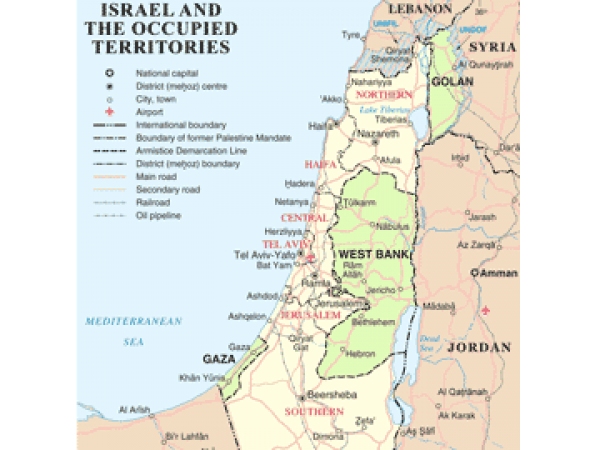
Why South Africa must end trade with illegal Israeli settlements
South Africa ruffled political feathers in April this year, after it made it unlawful for Israeli settlement products sold locally to be labelled as "made in Israel". All products made by Israeli businesses operating illegally in the settlements must now be labelled according to where they were produced in the Occupied Palestinian Territories. This is in accordance with international law and South African foreign policy.
Jonathan Dockney
Opinion | 15 May 2013