2 March 2026
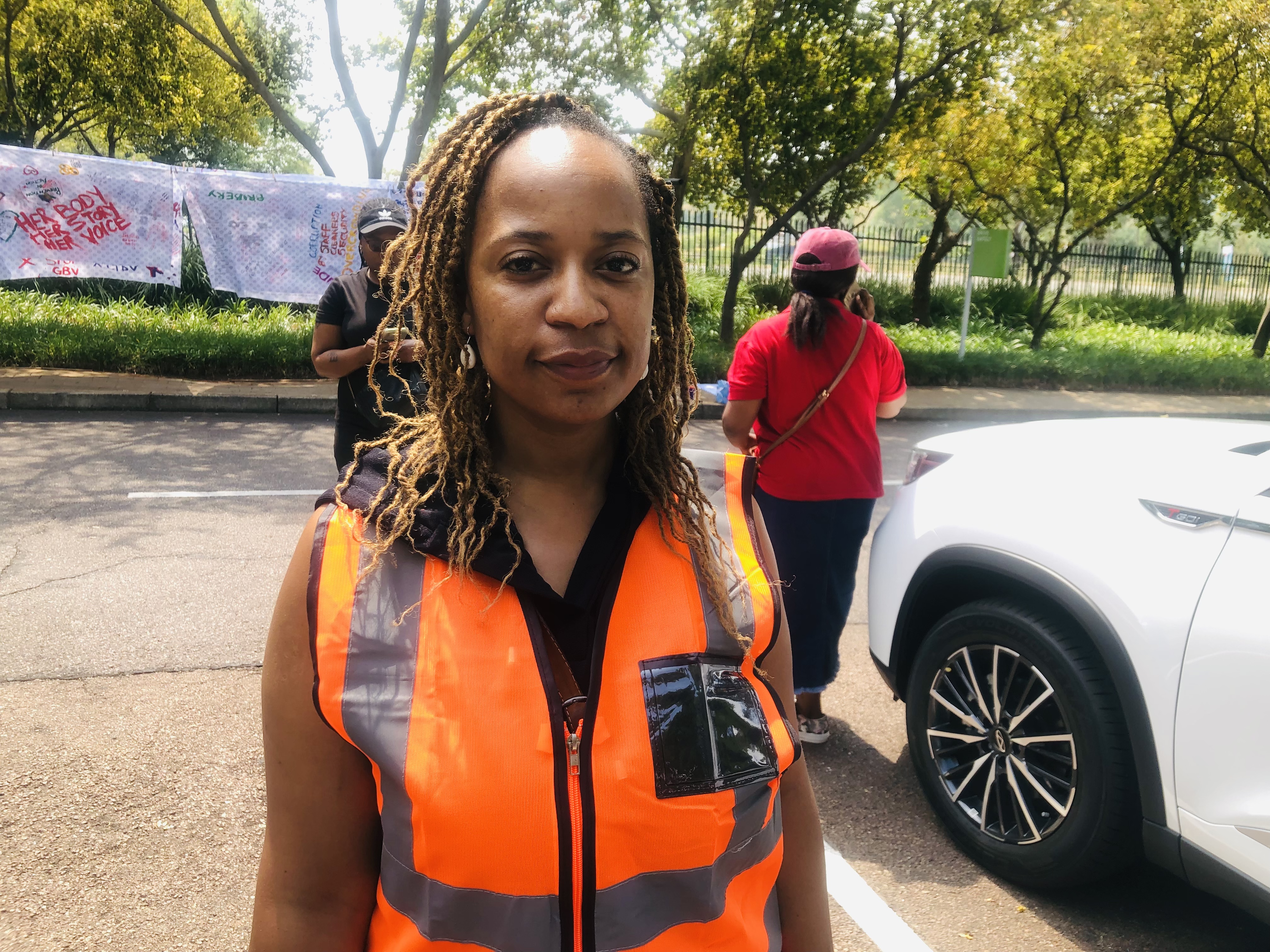
Thando Lelo Nkhoma joined a protest at the weekend organised by the Obstetric Violence Coalition outside the National Department of Health in Pretoria to demand better maternity care. Photos: Kimberly Mutandiro
Thando Lelo Nkhoma says her experience of giving birth in a Johannesburg hospital nearly four years ago left her traumatised because of the way she was treated by staff. The experience inspired her to become an activist advocating for safe maternal health.
“We deserve care in maternal wards,” says Nkhoma.
On Friday, she joined over 50 mothers and activists at a “Laundry Day” picket organised by the Obstetric Violence Coalition outside the National Department of Health in Pretoria. They handed over a memorandum, demanding better maternity healthcare.
The coalition noted concerns with the growing number of complaints over the poor treatment of people in obstetrics units at public and private facilities. Complaints included verbal and physical abuse, humiliation, and being denied care or privacy.
“They deserve dignity, safety, and respect during pregnancy, childbirth, and postpartum,” read the memorandum.
Among the demands is for government to develop a plan to increase maternal health resources within a year.
They also asked for an independent investigation into allegations of obstetric violence by 28 February 2027.
The health department was given ten working days to respond.
During the protest, several women told their stories to health officials who came to receive the memorandum.
Julia Montor, from organisation Embrace, said since launching the campaign many women have come forward to share stories.
“We want the next generation of mothers to experience respectful maternity care with dignity, and for their human rights to be seen and upheld,” said Montor.
Deputy director general responsible for TB, HIV, and maternal, child, and women’s health at the department, Fikile Ndlovu, promised to give them feedback.
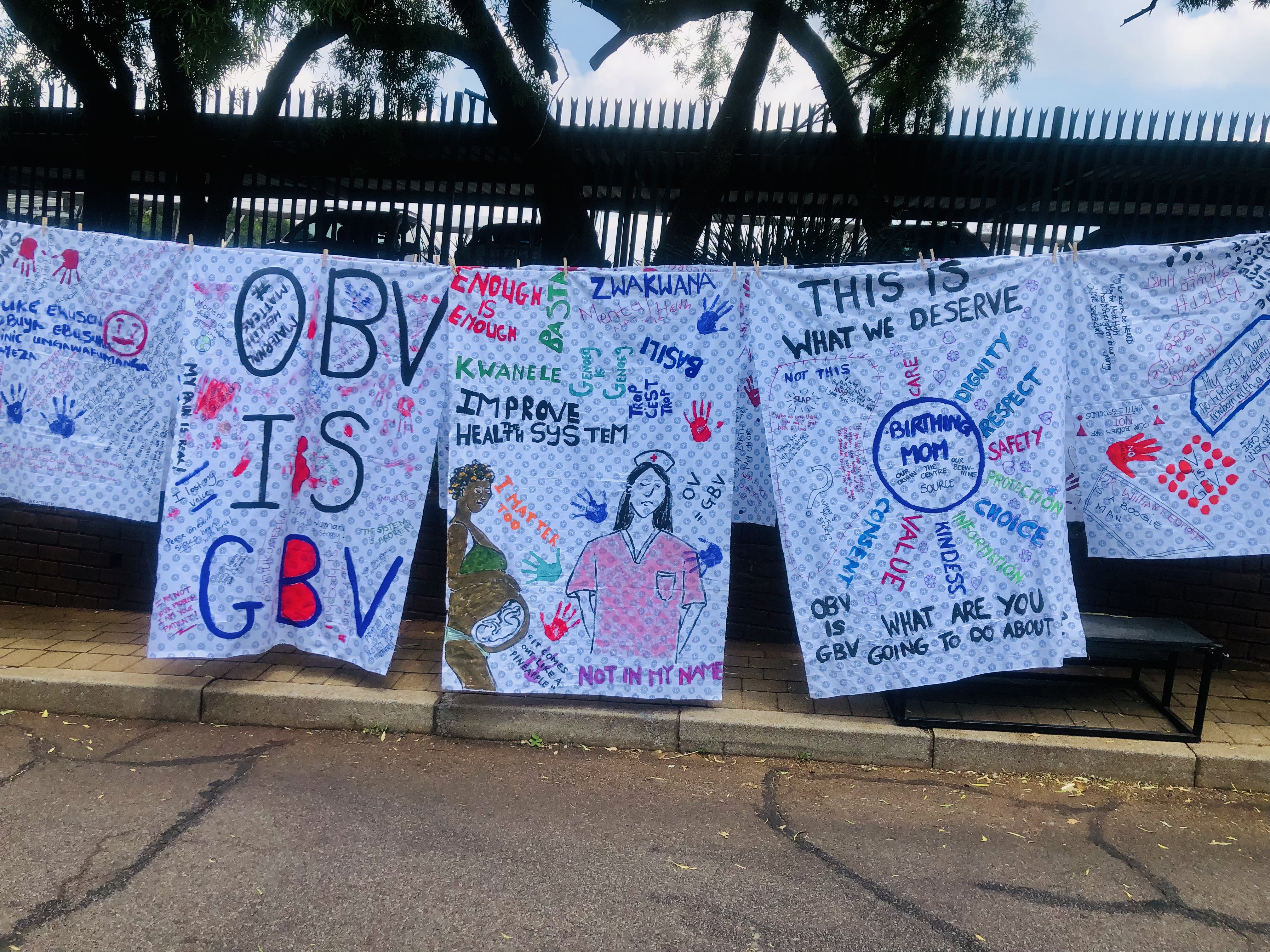
During the protest, women hung up sheets resembling “laundry” with handwritten stories of women affected by obstetric violence.