9 March 2026
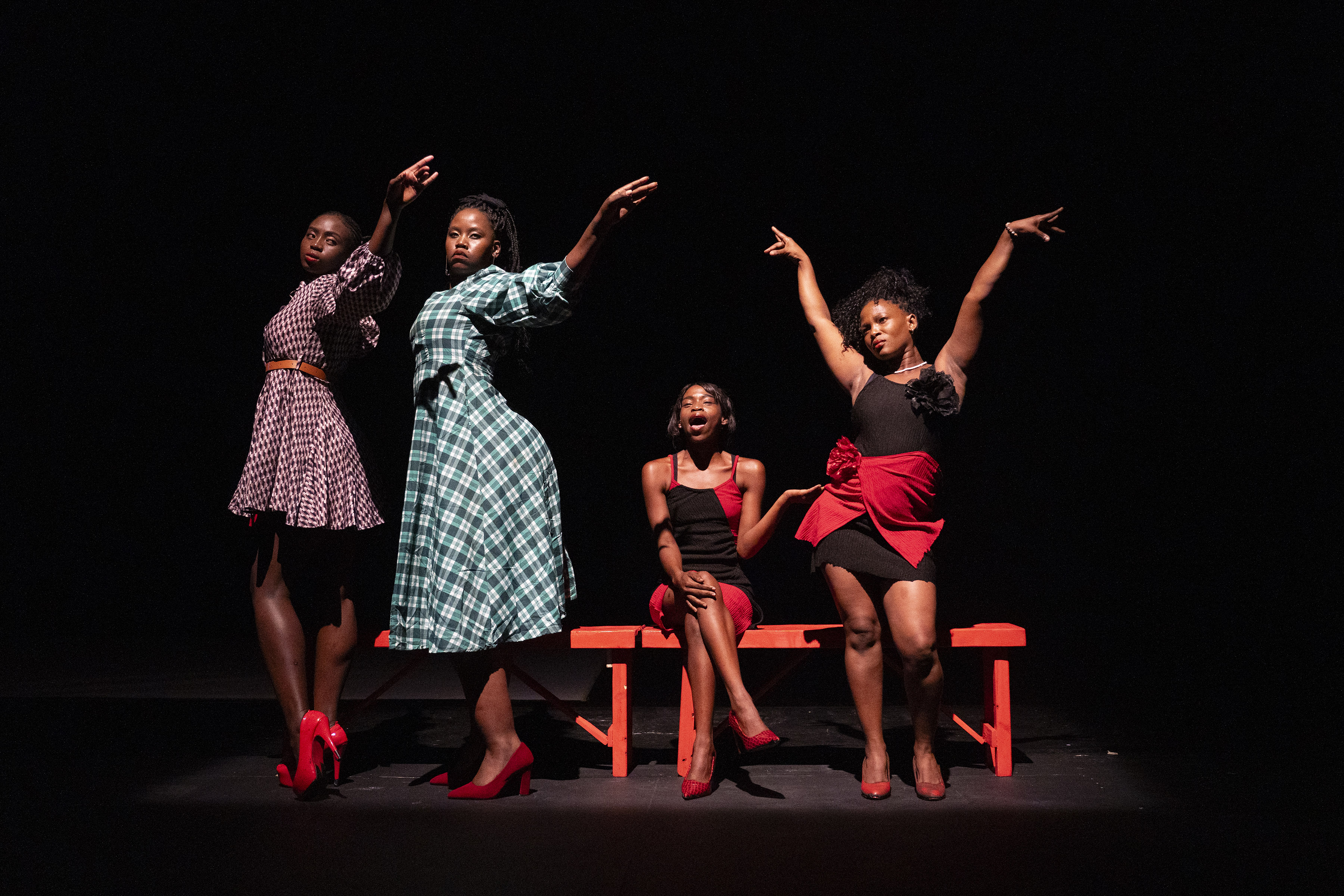
Dancers from the Itrotra Art X Connection perform #MOI-Female Ensemble during the fourth edition of the ITROTRA–MAP Dance Festival at the UJ Arts Centre in Johannesburg. This piece, choreographed by Gaby Saranouffi, explores the “unspeakable violence against women and children”. Photos: Ihsaan Haffejee
The fourth edition of the ITROTRA–MAP Dance Festival was staged in various venues across Soweto and other parts of Johannesburg.
During the week-long contemporary dance festival, audiences watched thought-provoking performances under the theme, “Safe Spaces, Safe Lives”, with a focus on the challenges of gender-based violence and femicide in South Africa.
Other performances explored environmental justice, masculinity, mental health and dignity.
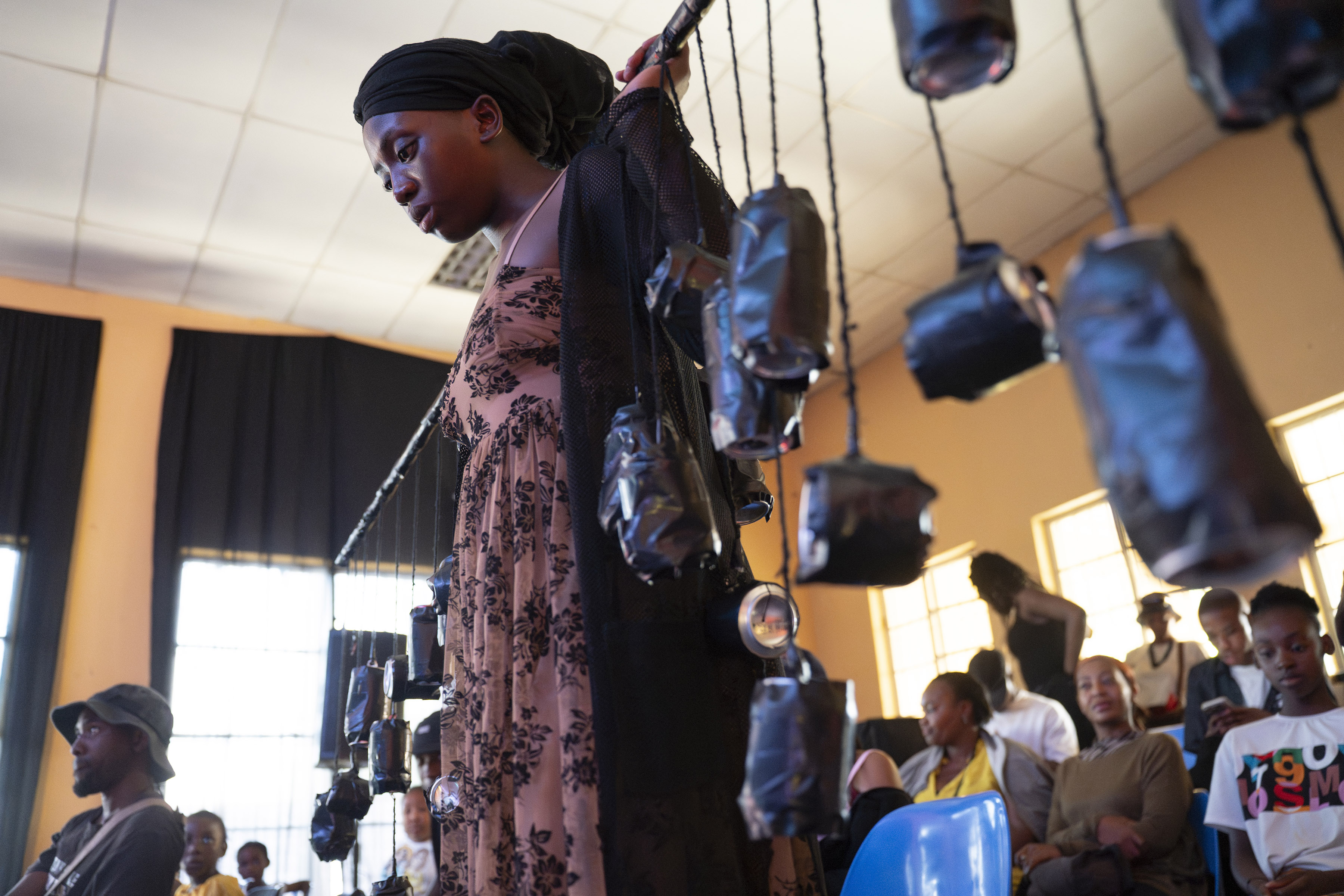
Phumzile Mkhwanazi performs her work, “The impact of darkness”, at Bapedi Hall in Soweto.
The festival is inspired by the ITROTRA International Contemporary Dance Festival, a regular part of the Madagascan arts scene for over 20 years. “Itrotra” is a Malagasy word meaning “encounters”.
As well as dance the festival included films, workshops and exhibitions.
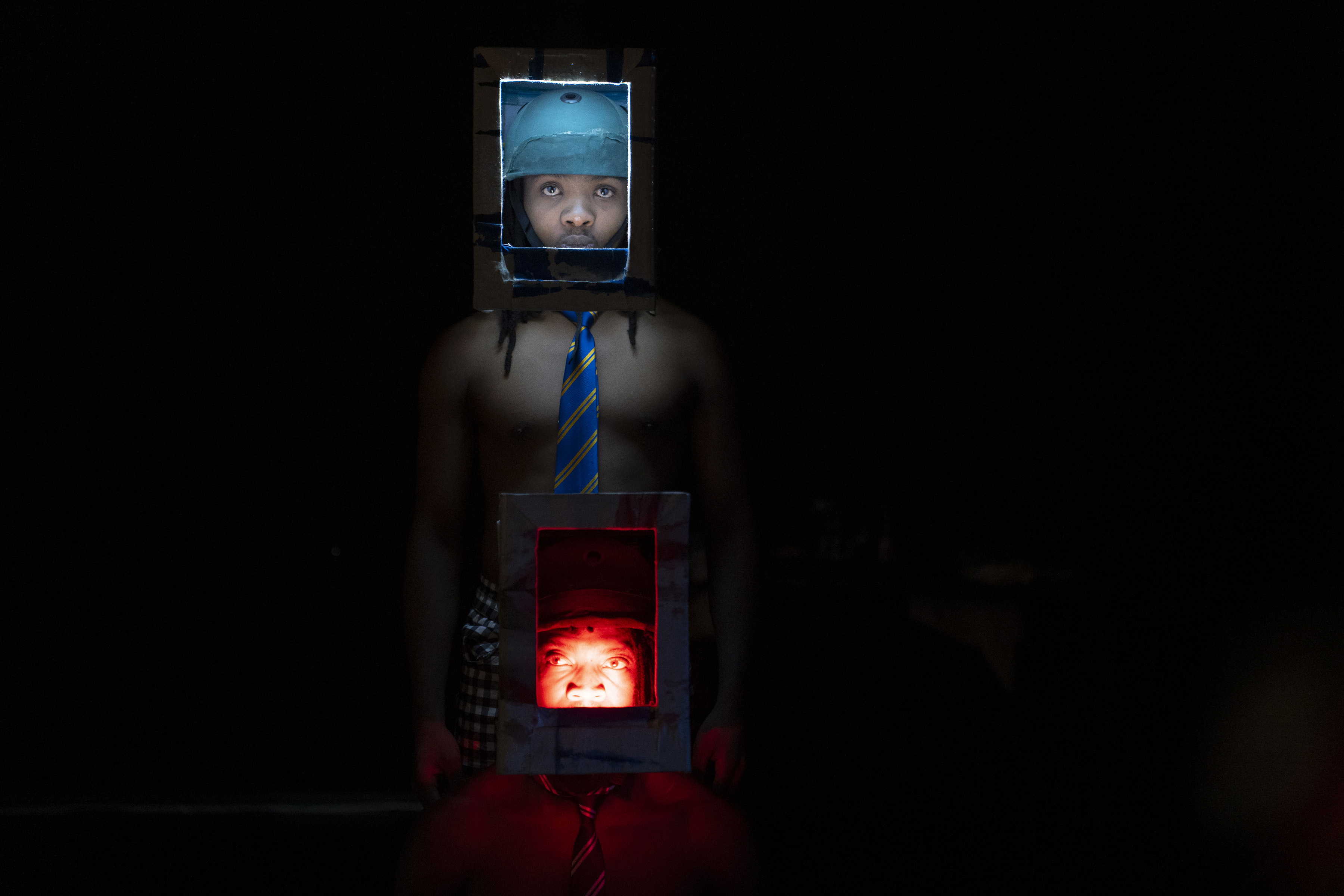
Dancers Jack Lefa and Steven Chauke in a scene from “Is this our new world?” during a performance at The Market Theater in Johannesburg.
Gaby Saranouffi, founder and co-curator of the ITROTRA–MAP Dance Festival, said the festival is aimed at encouraging artists to tackle social challenges in the communities where they live.
“We have a duty as artists to not only entertain our audiences but to also engage them on critical issues. When you talk about Itrotra, you talk about quality of work, about humanity, being with people, and about social change through art,” says Saranouffi.
The festival also gives young and emerging artists the opportunity to work with more experienced performers from South Africa, Madagascar, Mozambique, Sweden, France and Germany.
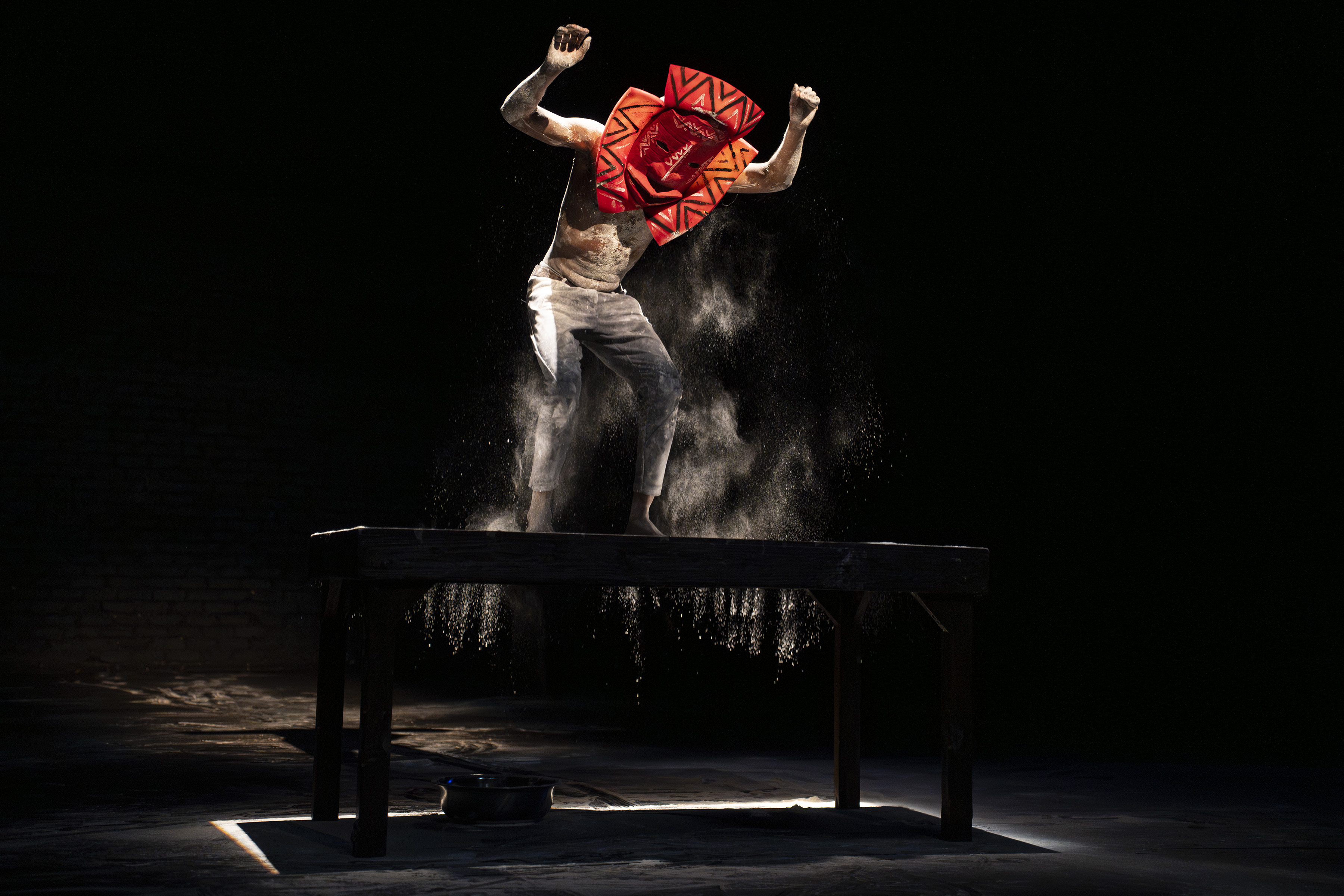
Mozambican artist Pak Ndjamena performs “Deus nos acudi”, a piece that questions consumerism and explores how beliefs, rituals and myths are intertwined with everyday life, at the UJ Arts Centre in Johannesburg.
As part of the festival, free choreography workshops were held in Soweto by seasoned professionals.
The festival also took some performances to Soweto primary schools, allowing learners to interact with international and local artists.
Saranouffi hopes to expand the festival and eventually take it to rural communities.
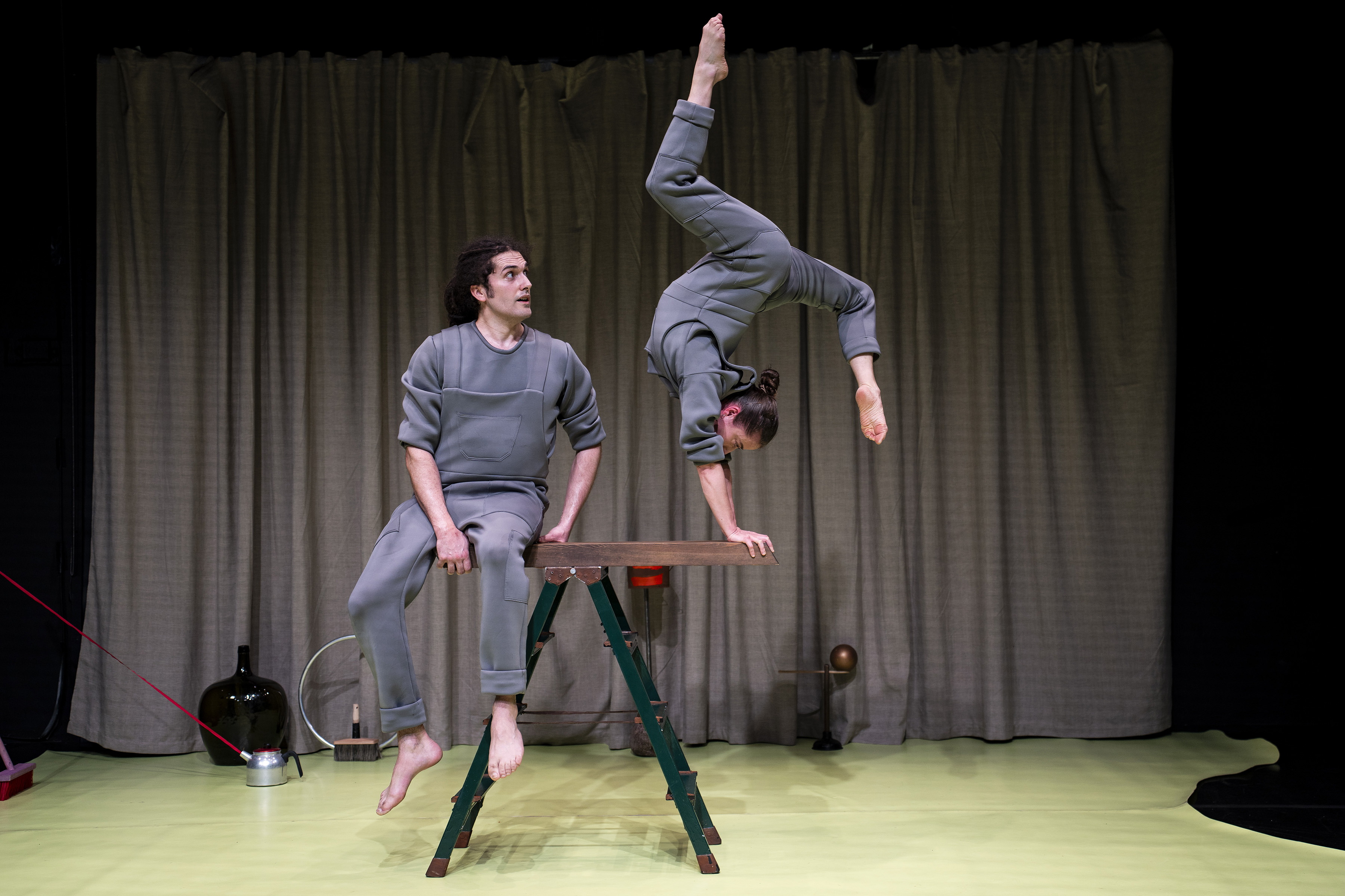
Swedish performers Jean-Hicham Rahmoun and Elaine Briant perform “Tvärslöjd”. The performance, staged at various primary schools in Soweto, proved popular with the young audience.
“We would like to take the festival to more rural areas so that more people can have access to the arts. My hope is for the festival to grow bigger but we must ensure that as we grow, we continue to hold on to the values that are the foundation of our festival,” says Saranouffi.
“Dance is one of the most beautiful forms of storytelling that transcends cultures and borders. It can be a form of reflection, resistance, healing, and celebration.”
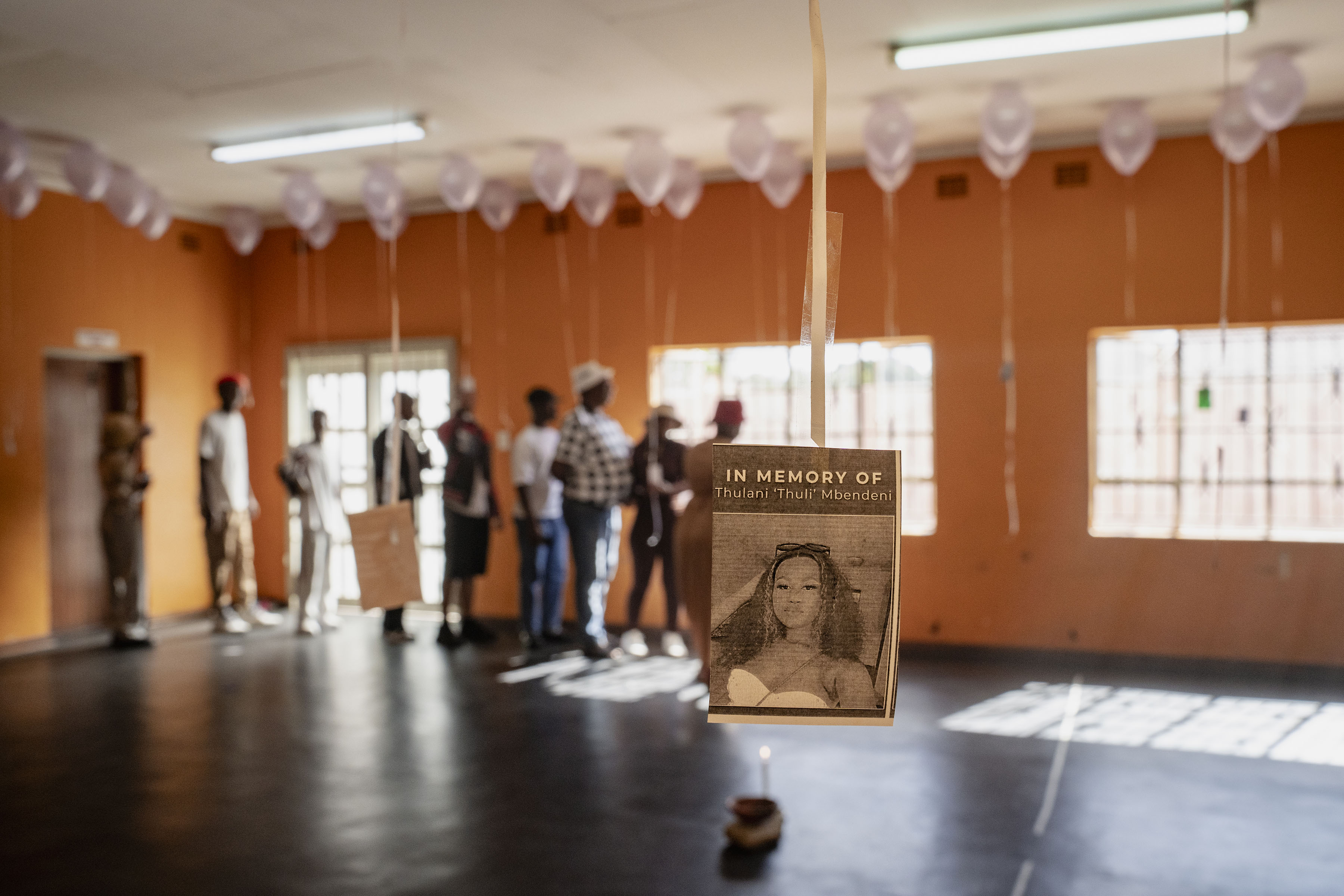
An exhibition at the Bapedi Hall in Soweto, curated by Botlhale Modisane, was dedicated to women who lost their lives due to gender-based violence. Artists also shared the stories of survivors through photographs and other media.
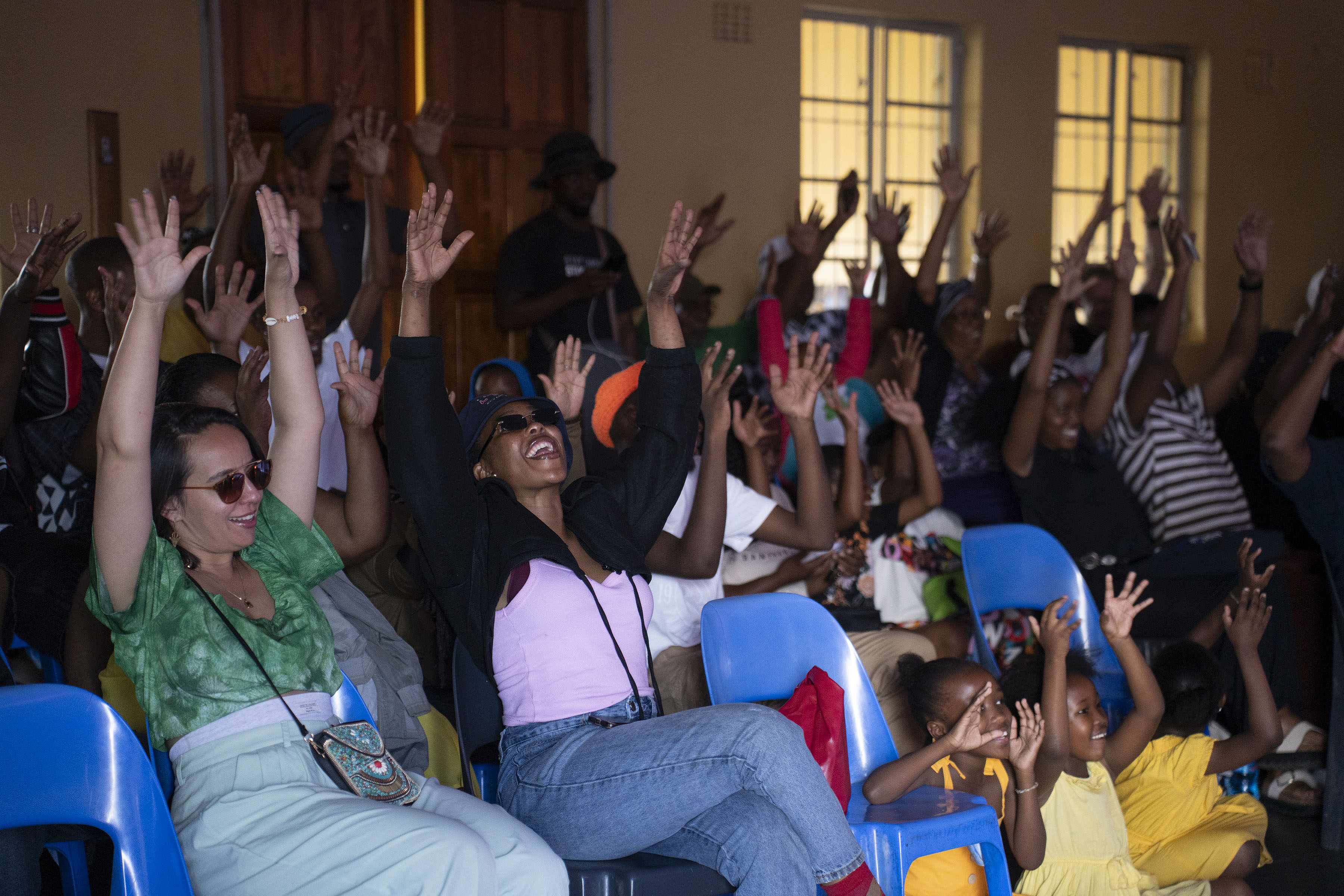
The audience at the Bapedi Hall in Soweto enjoying the closing dance act of the ITROTRA–MAP Dance Festival.
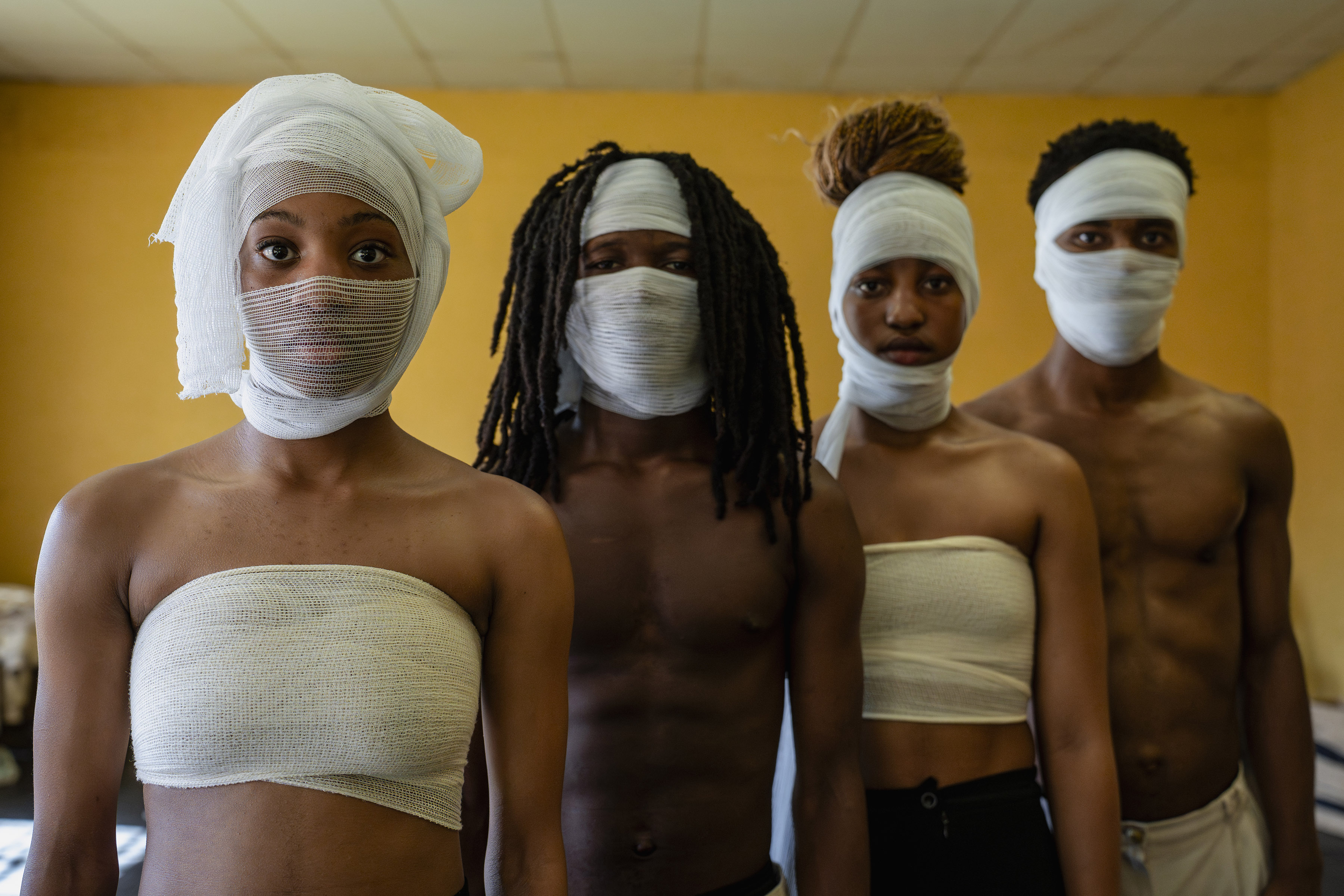
Young dancers Naledi Lelimo, Kgosiotsile Lekasapa, Dimpho Tsoane and Zonke Nxumalo prepare backstage to perform “Miali: Pieces of Us” at the Bapedi Hall in Soweto.
