11 February 2026
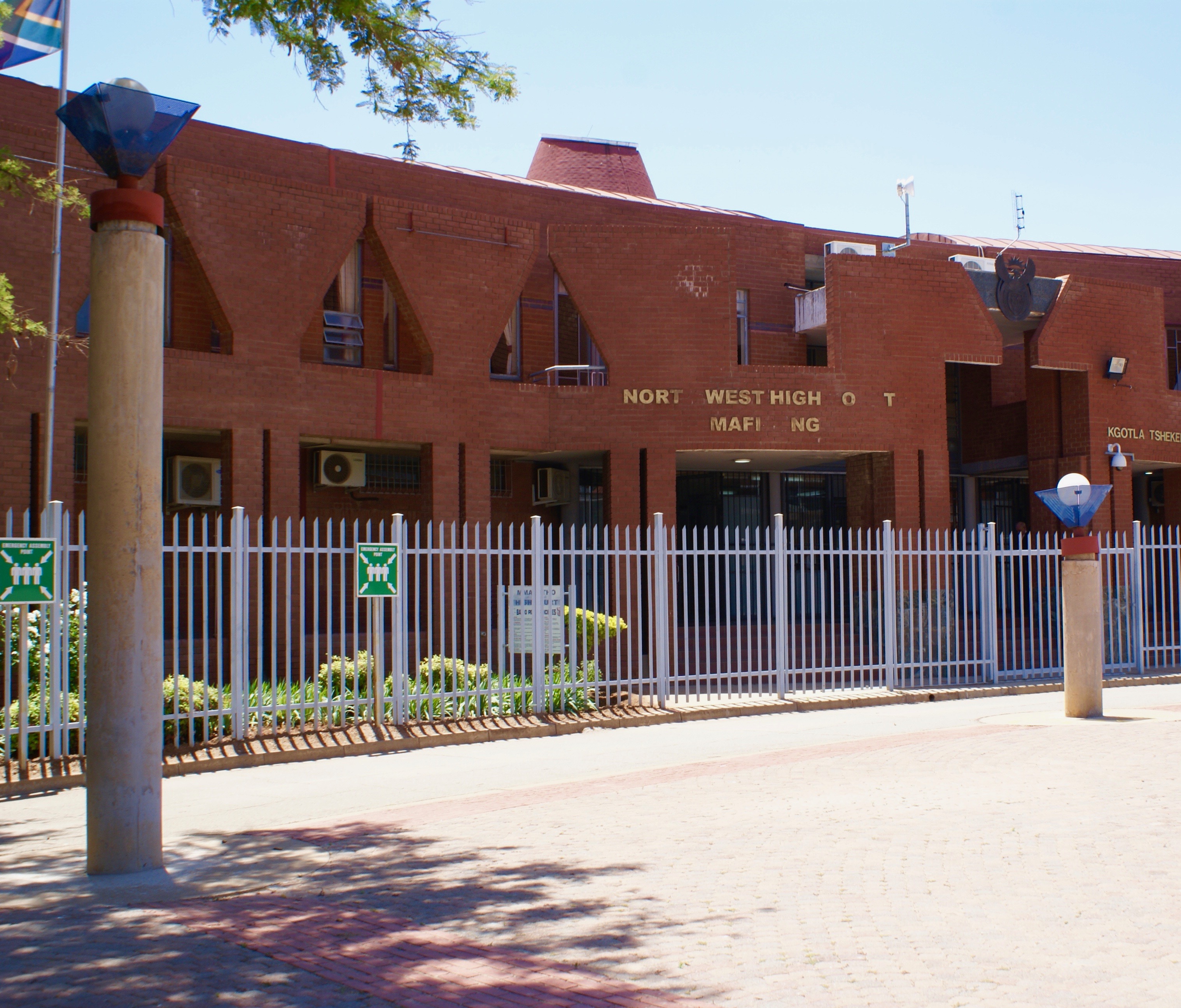
The Mahikeng High Court has ordered the North West Province MEC for social development to reinstate funding to nine non-profit organisations providing child protection and related services. Archive photo: Ciaran Ryan
The North West Province MEC for social development has been ordered to reinstate funding to nine non-profit organisations providing child protection and related services in the province.
The organisations were financially gutted last year when, they claim, the MEC unilaterally stopped their funding without notice. Represented by Lawyers for Human Rights, they approached the Mahikeng High Court to review the decision.
This week, Judge Sandiswa Mfenyana ordered the MEC to conclude service-level agreements with the organisations for the 2025/26 year within ten days of the order.
In her ruling, Mfenyana said the organisations had applied for funding timeously but were informed in July that they would not receive funding due to the unavailability of funds.
The organisations appealed this decision internally. But in October, they were informed the decision stood on the grounds of “mismanagement of funds and non-availability of funds”.
In their review application, the organisations said they were facing imminent closure, which would result in the termination of services to thousands of vulnerable people, including children aged 18 months to 16 years, adults who received assistance with food, clothing and basic needs, and abandoned children, some without birth certificates.
The judge said the applicants had detailed specific child protection cases they were handling, which were now at risk.
The department opposed the application, stating that it had the capacity to take over the cases. It argued that children’s rights were not at risk “and it is not anything new for the department to take over”.
The department also argued that the organisations had no right to funding, even if they had received it in the past.
The organisations, however, argued that the department had done nothing to assist the children, some of whom face abuse at their homes and are at risk of being returned to those environments.
They further argued that the department had not provided evidence of the unavailability of funds, or details of its budgeting and planning processes.
Nor, they said, had the department provided any evidence to support its claim that it was capable of assuming the statutory functions that the organisations had performed for many years, or that it had employed additional social workers to do this.
Mfenyana said that while the MEC claimed that some of the organisations had not met funding requirements, the department had not stated what those requirements were.
“The explanation for its [the department’s] decision leaves a lot to be desired,” the judge said. “It is vague and generalised and offers no explanation as to how it intends to manage and provide the services previously rendered by the organisations. This lends credence to the contention that it has no plan for what will happen to the children.
“All it says is that it is the constitutionally mandated provider of these services. These cases are not presented in the abstract. They represent children and families,” Mfenyana said.
She found that the MEC and the department had a duty to act fairly and had failed to do so in this case.
Remitting the matter back to the department for further consideration would cause untold prejudice to the organisations and the people they serve, she said.
Mfenyana reviewed and set aside the decision, ordered the MEC to register the organisations and conclude agreements with them within ten days, and directed the MEC to pay the costs of the application.
In a joint statement issued prior to the hearing, the organisations said they had been providing services to the community for decades: “We have sheltered children who were abused or neglected, supported women fleeing violence and cared for the elderly who would otherwise be left destitute, and provided food for families who would have gone hungry.”
“These services are more than programmes, they are lifelines that hold our communities together.”
They said without funding, some 26,000 people – mostly children – would lose access to social workers and related support services.
The applicants in the case were: RATA Social Services NPC, Klerksdorp, SAVF Rustenburg, SAVF North West, SAVF Potchefstroom, SAVF Zeerust, SAVF Klerksdrop, SAVF Lichtenburg, Child and Family Welfare, Potchefstroom and Childline, North West Province.