12 October 2026
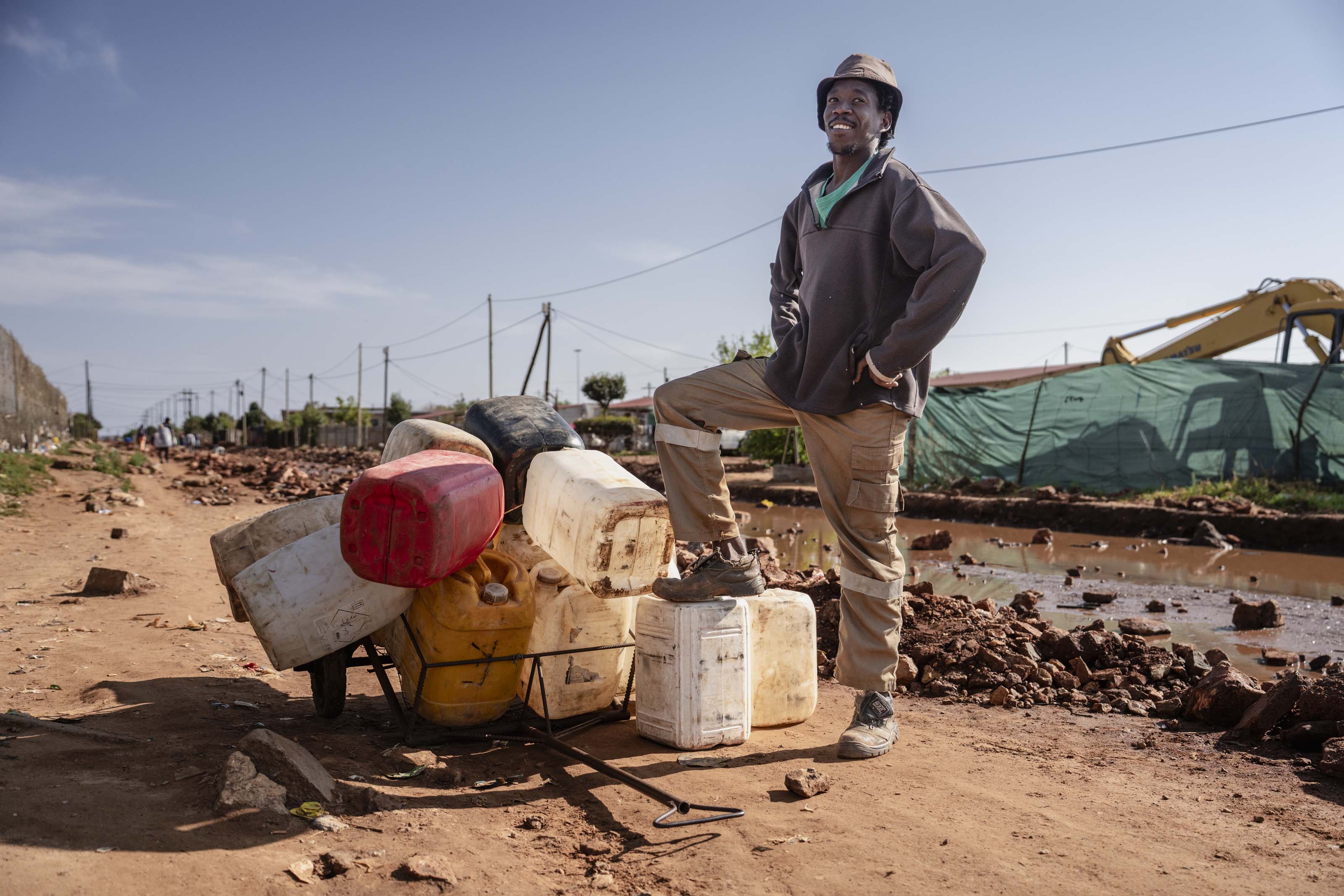
Boikhutso resident Kabelo Molefe makes a living fetching water for other residents, charging between R5 and R7 for a bucket of 20 or 25 litres. Photos: Ihsaan Haffejee
In Boikhutso township near Lichtenburg in North West, wheelbarrows piled high with 20-litre buckets of water are a common sight on the muddy pavements.
Among those pushing them is unemployed resident Kabelo Molefe, who collects water for elderly and disabled people in areas that have never had running water.
Molefe hauls the heavy loads through ankle-deep mud, often sharing the narrow pavement with taxis and cars because recent rains have made the dirt roads unusable.
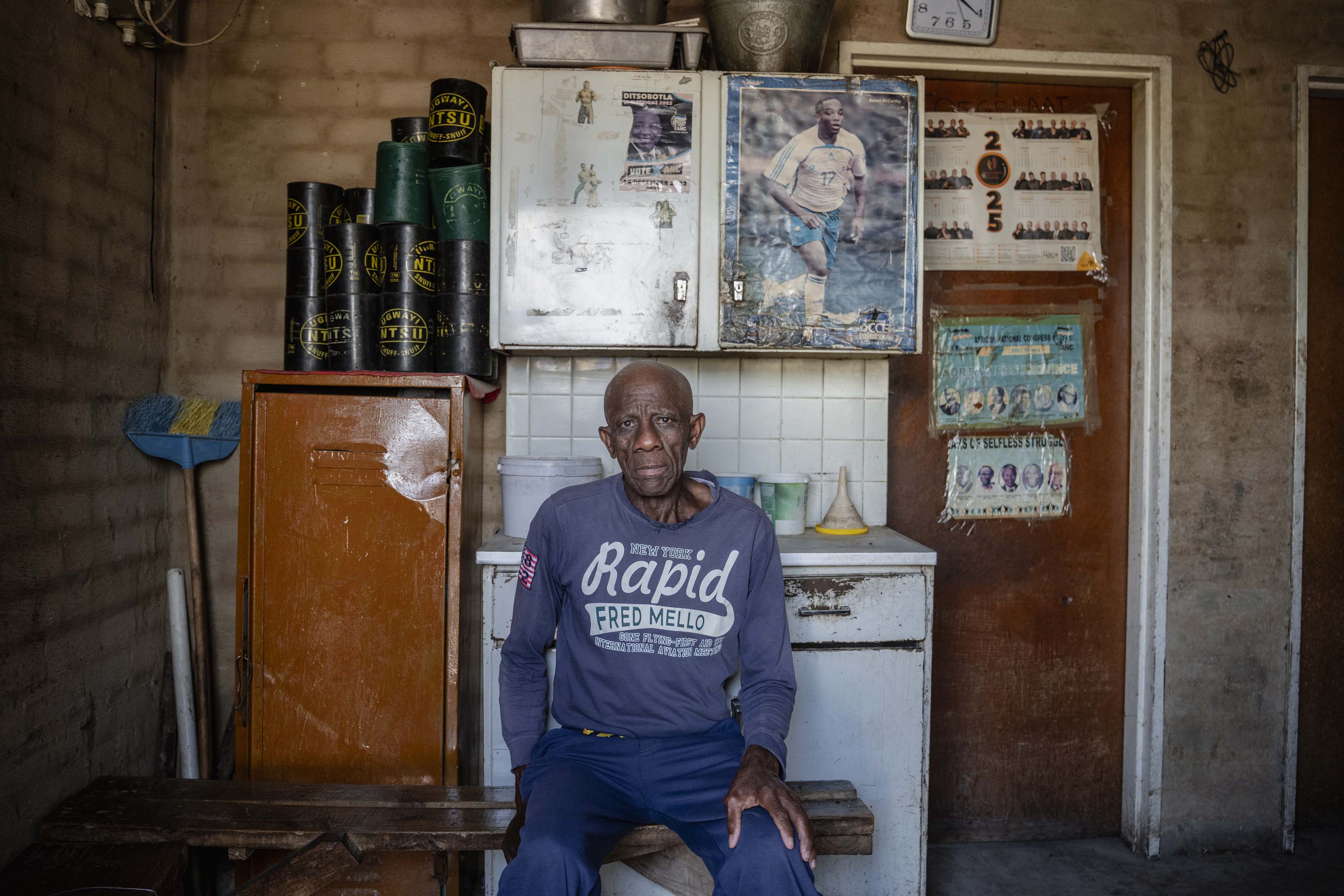
Samson Ndlovu says he has not had electricity for two years.
Near one of the water collection points and flooded road, we met pensioner Samson Ndlovu. He has lived in the Boikhutso hostel since 1982.
He gets running water for a few hours in the morning - though not always. There has been no electricity or refuse removal in years. “The government doesn’t care about Boikhutso any more,” he said, pointing to the roof shaking in the wind.
Several kilometres away, we met Blydeville pensioner Michael Cholo, who has lived in the area for over 30 years. He was filling three 10-litre buckets at a communal pipe near the main road.
“They always promise us water, but we get nothing,” said Cholo. “I want water, I am tired of promises.”
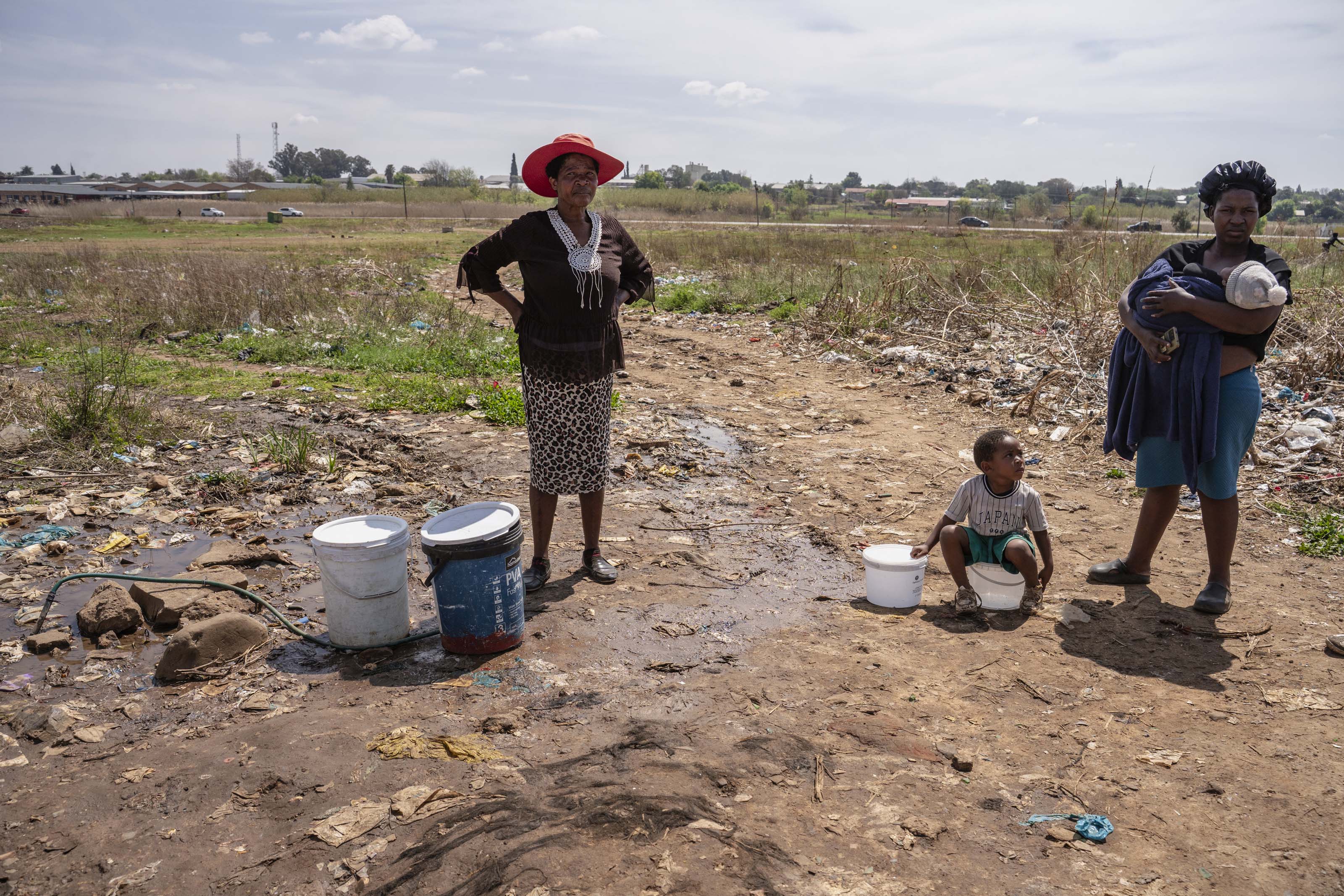
Residents of the township of Blydeville wait to collect water from a small pipe in the ground surrounded by rubbish.
The SA Human Rights Commission (SAHRC) and the Auditor-General (AG) have consistently flagged a declining quality of life for the roughly 164,000 Ditsobotla residents.
A 2025 investigative report by the SAHRC said Ditsobotla was failing “constitutional obligation of providing basic services,” which ultimately “violated residents’ rights to human dignity”.
In a May 2026 briefing to Parliament, the AG said that “the municipality cannot demonstrate that it is delivering essential services to citizens,” noting that it met only 31% of its service delivery targets, a figure which could not be verified.
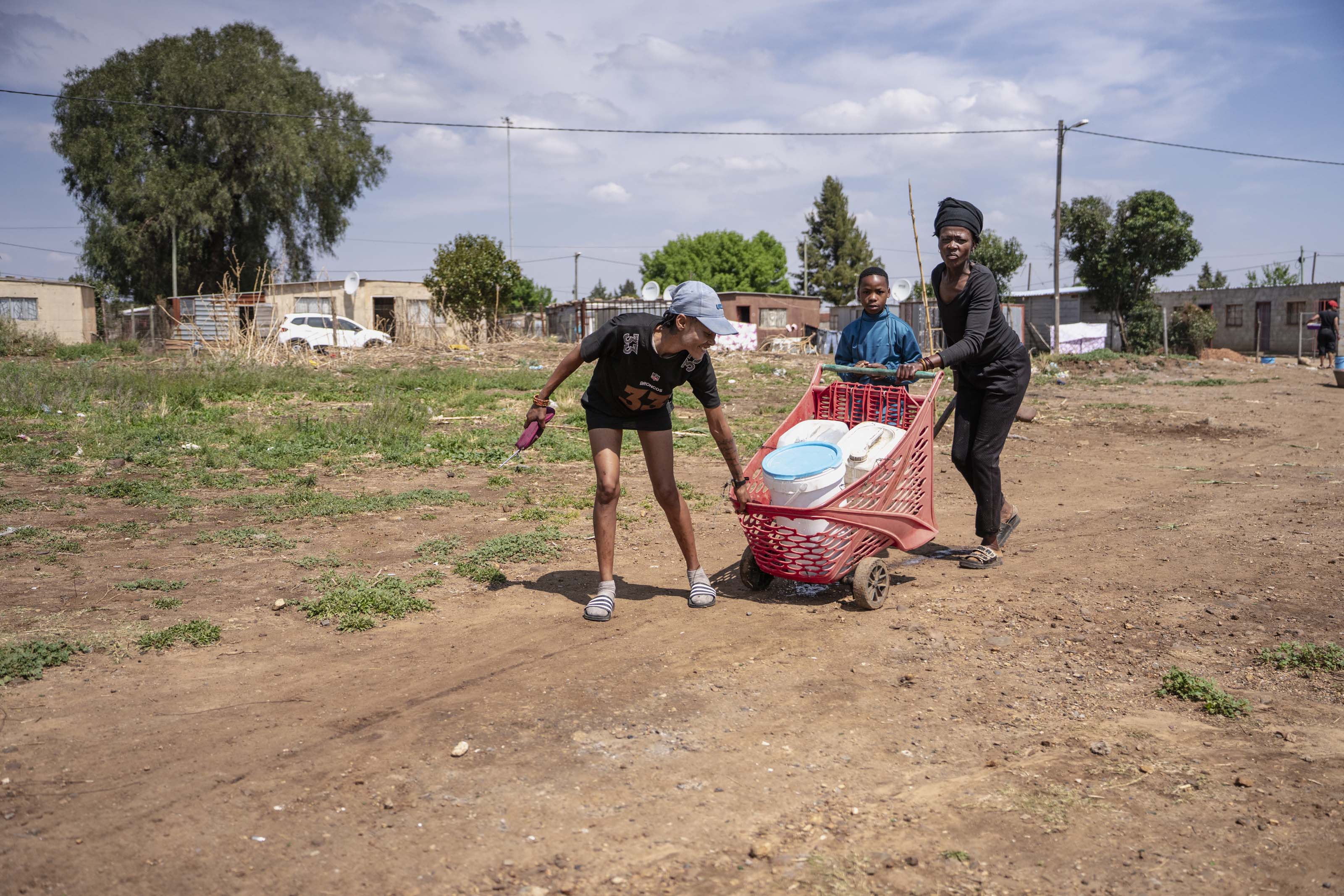
Residents of Blydeville transport water in buckets.
Every resident we spoke to complained about inconsistent water supply.
Outages have been attributed to supply deficits, ageing pipe networks, chronic lack of repairs, maintenance and upgrades, electricity outages that impact pumps, illegal connections and vandalism.
According to Ditsobotla’s 2024/25 annual report, water demand is 20-million litres daily against an average supply of 10-million litres. So “rationing” (shutting off supply) is practised across the municipality. Residents say there is little to no communication about water rationing.
According to the Treasury’s recovery plan, electricity losses were 85% and water losses 58% in 2024/5 .
The impact of the water challenges ripples through daily life.
On the opposite side of Boikhutso, we met great-grandmother Latia Masae. She said her extension received no water, and as such, she has to pay roughly R25 every two to three days for people to collect water.
Relying solely on an old age grant of roughly R2,400 monthly, she said she cannot afford what she and her family need for food as most of her money goes towards securing water.
She also does not have a toilet on her stand, despite being promised “over 10 years ago”. Nearby pit toilets are blocked and overflowing, leading her to ask people on other streets to use their toilets.
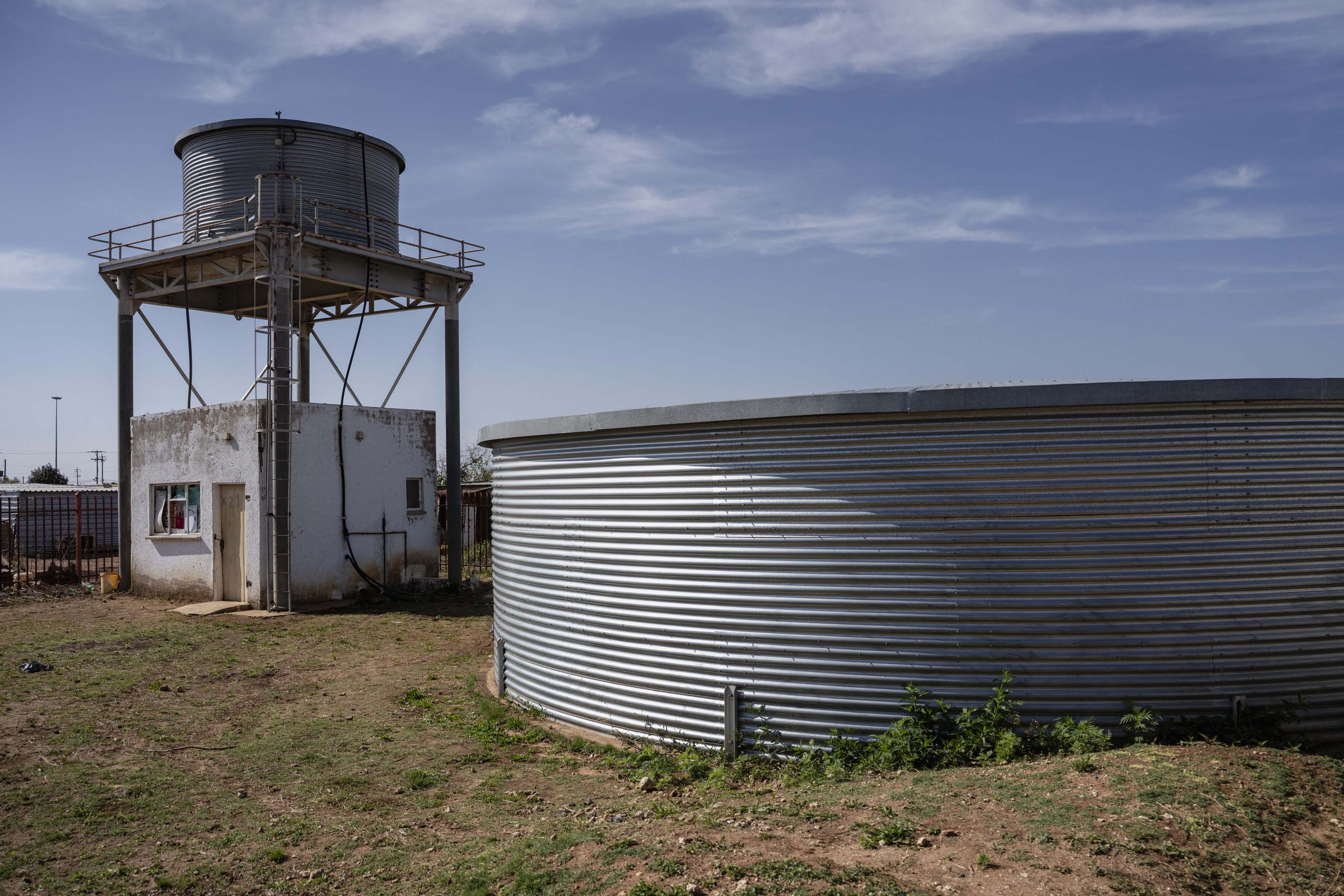
A reservoir that has not been maintained and has been vandalised in Boikhutso.
Like the water network, large parts of the electricity distribution network have received no capital investment or substantive maintenance for over three decades, noted the annual report.
Substation transformers are overloaded, underground cables have been in service for over 40 years. Meanwhile, the municipal electricity department operates at only 20% of its required personnel capacity, with the AG flagging that the target of maintaining 30 electricity transformers in 2024/25 was not achieved.
Hitesh Kantilal is a tailor in Lichtenburg who has lived there all his life. He said that persistent, prolonged electricity outages have cost his small business just off the main street a lot of money.
“Whatever I may make goes towards buying diesel for the generator as we cannot use any of our machines without electricity,” said Kantilal. “Service delivery in the town is shocking to say the least. Just shocking,” he added.
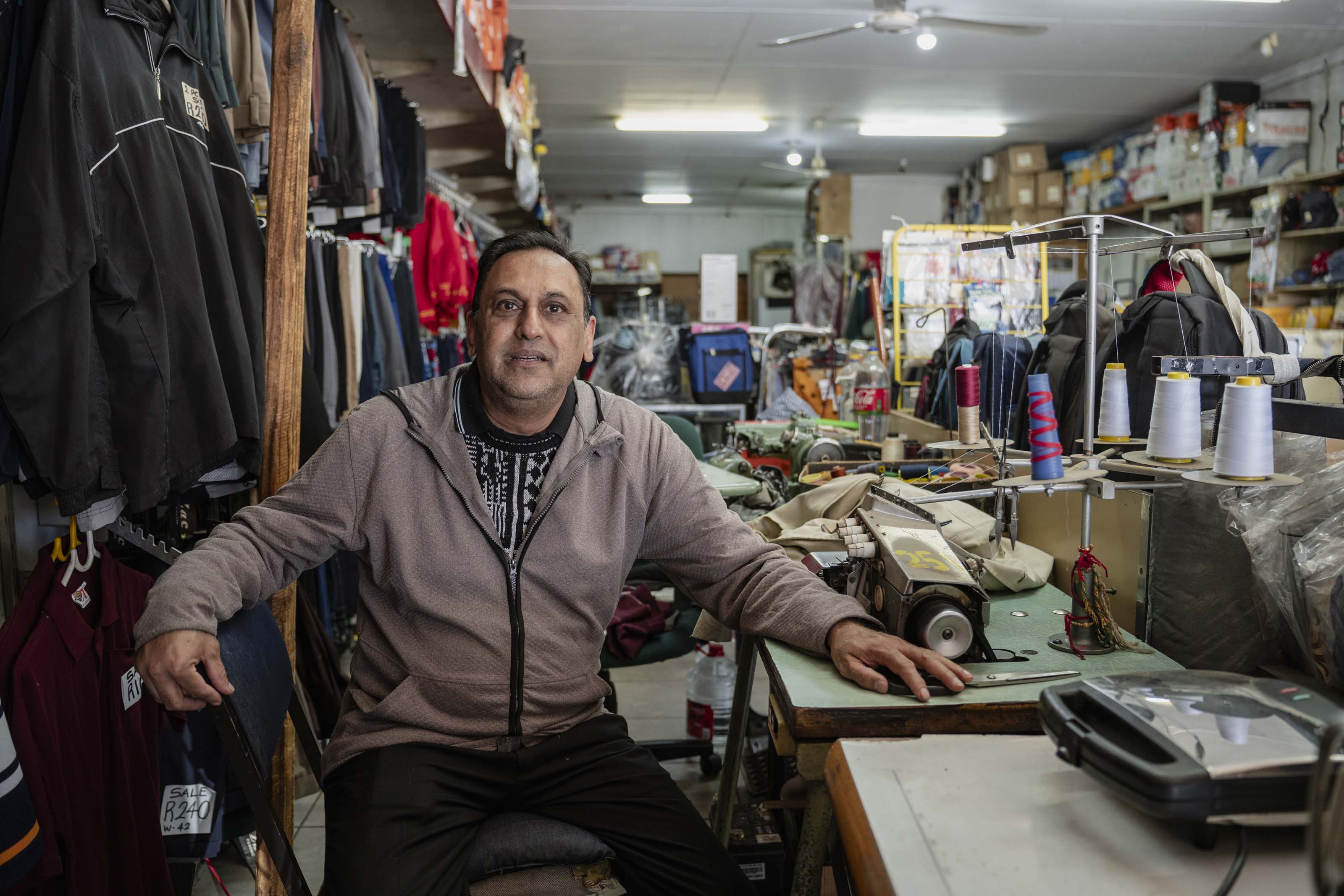
Hitesh Kantilal has lived in Lichtenburg all his life. When GroundUp visited his shop, electricity had just returned after an outage of several days.
Nearly 15,000km of municipal roads remain unpaved gravel, while the paved roads display extensive cracking and deep potholes caused by traffic, lack of stormwater drainage, and aged asphalt.
In 2024/25, the AG noted that 0km of municipal roads were maintained and no potholes were patched.
Meanwhile, landfill sites in towns like Lichtenburg are full to capacity, non-compliant, completely unfenced, and lack working machinery, posing risks to the surrounding environment.
Household waste collection faces backlogs due to breaking trucks. This results in widespread illegal dumping, while municipal parks, open spaces, and other public spaces are not maintained.
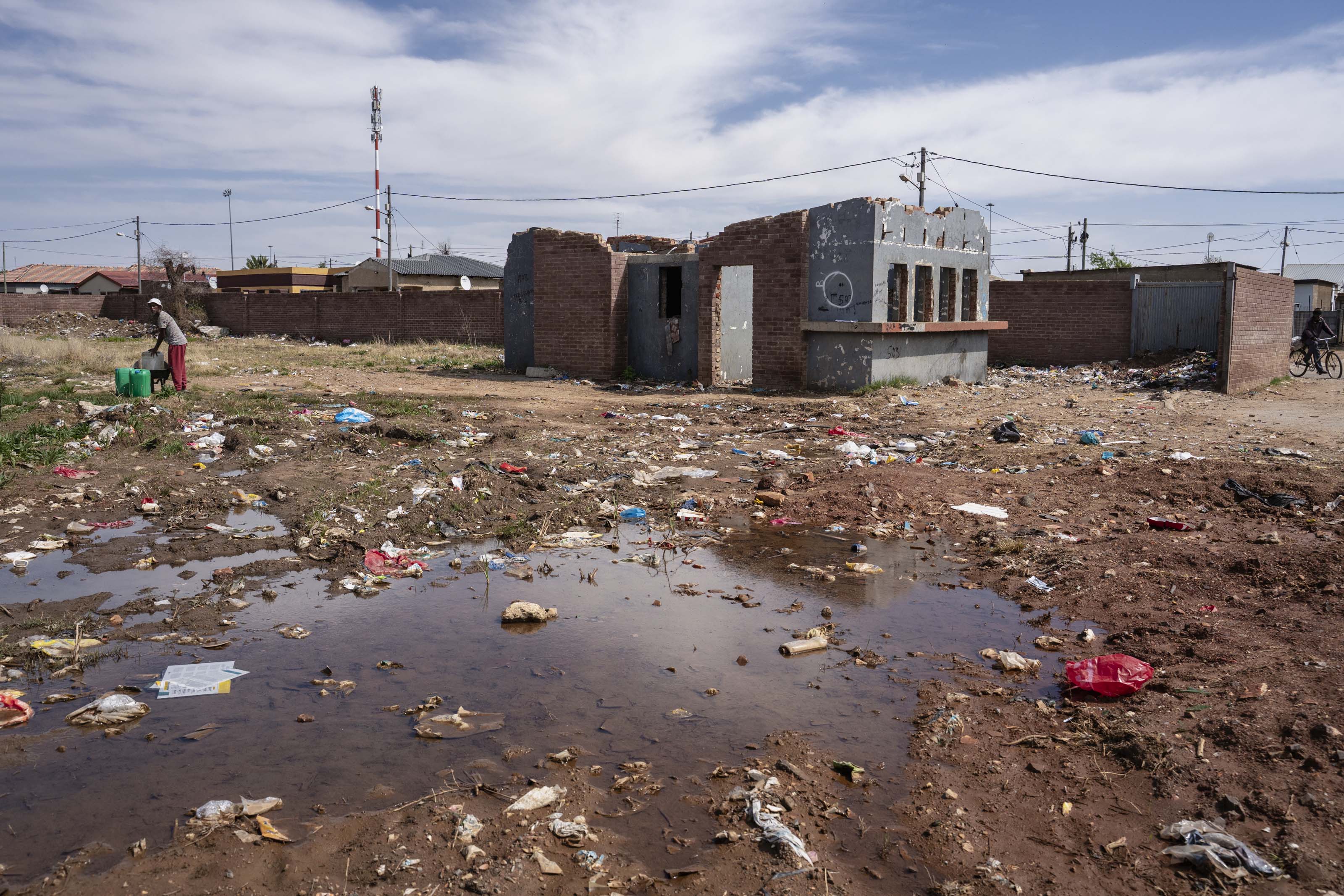
A sports centre in Boikhutso is in ruins.
Ditsobotla, which falls under the Ngaka Modiri Molema District Municipality and has roughly 164,000 residents, was placed under national intervention in 2025 after eight previous failed attempts.
The AG has given the municipality disclaimer audit opinions for more than ten years, the worst possible audit outcome. This means that the AG has not been able to obtain enough information even to express an opinion on the financial statements.
A clear indicator of the municipality’s financial turmoil is seen in how long it takes to pay its debts.
According to its own 2024/25 annual report, it takes an average of 3,188 days (nearly nine years) for creditors to be paid, well above the 30-day National Treasury statutory timeframe.
The annual report noted that unauthorised, irregular, fruitless, and wasteful expenditure consumed 77% of its total operating budget. This means that over R3 out of every R4 spent on daily operations failed to comply with legal financial prescripts, supply chain rules, or approved budgets.
This leads to halted projects, delayed salary payments, and ripple-effects on service delivery, which was evident in conversations with every contract worker that we talked to. Security companies recently appointed to guard dilapidated and largely abandoned public facilities say they often go without pay.
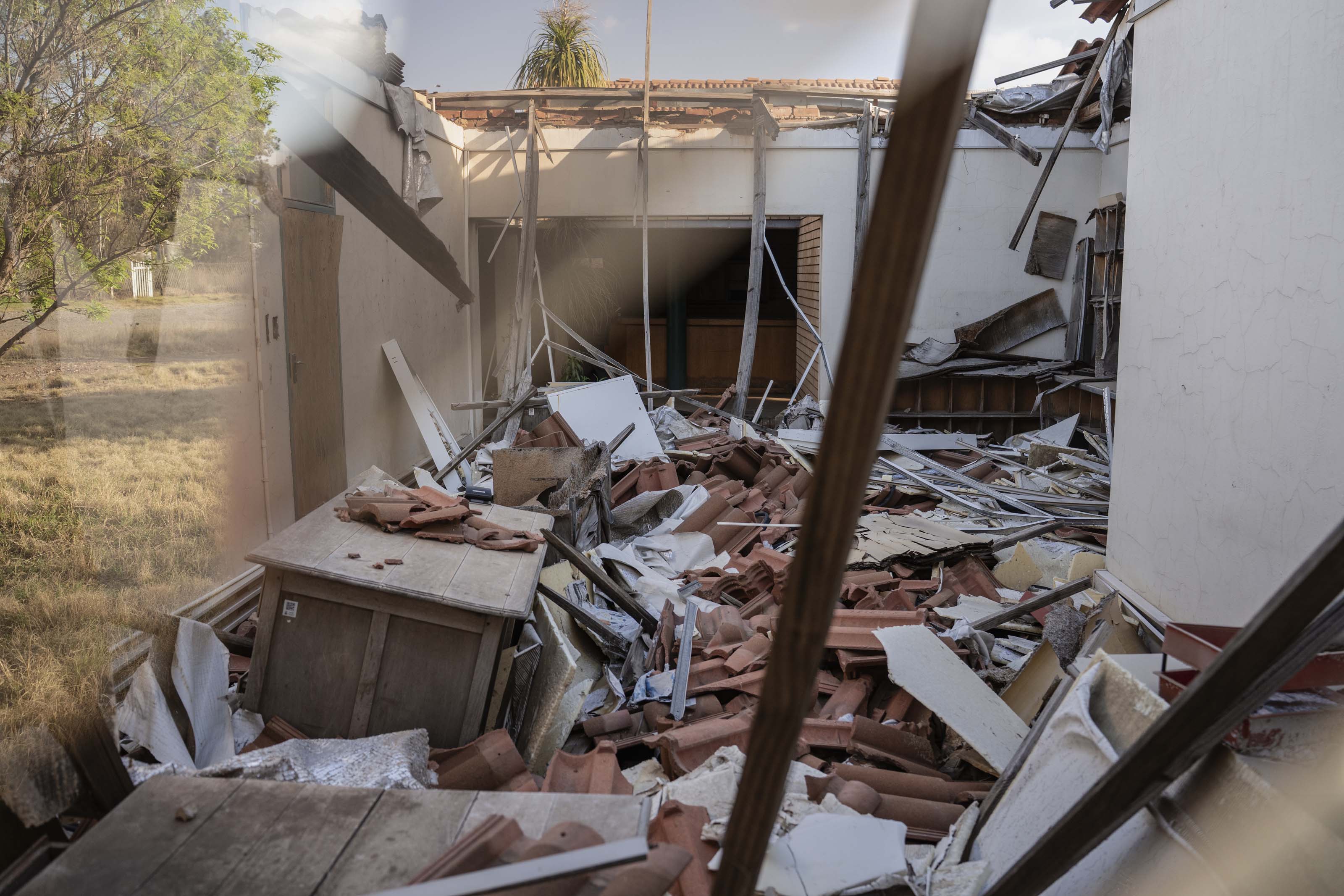
The Lichtenburg traffic department offices were destroyed by fire and have not been rebuilt.
On 28 April 2026, the AG referred matters to the Public Protector and the Directorate for Priority Crime Investigation to probe possible fraud, misrepresentation, misappropriation of funds and non-compliance with municipal financial legislation.
These relate to capital projects for roads and stormwater funded through the Municipal Infrastructure Grant (MIG), and irregular procurement and expenditure of legal and security services involving millions of rands.
Parliament, the AG, national and provincial government have persistently pointed to political and administrative instability, with frequent changes in political leadership, (including a dispute over two rival mayors).
Senior management positions have often been filled in an acting capacity, while the Chief Financial Officer (responsible for overseeing clean fiscal governance) post was vacant for more than three years.
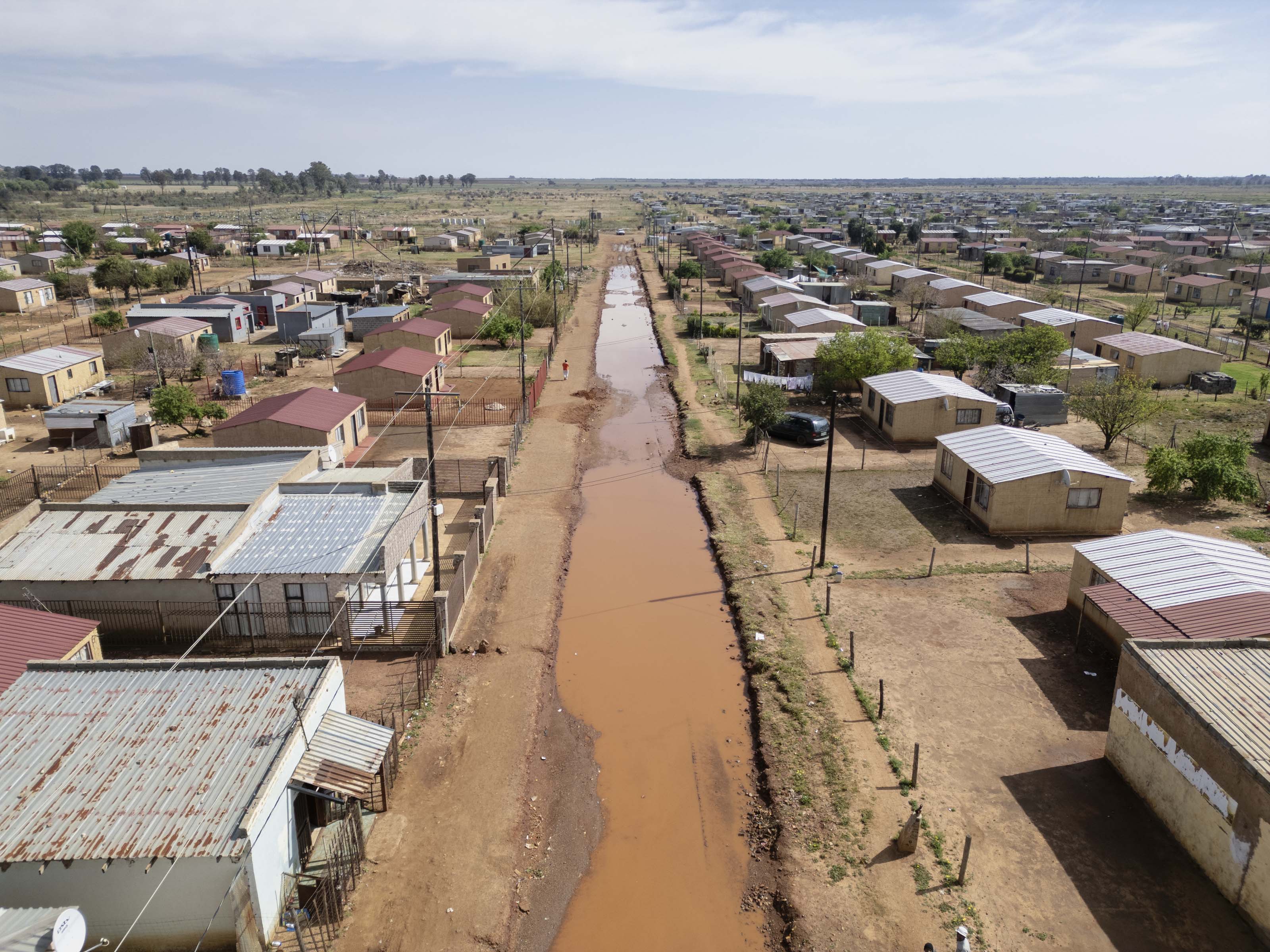
A flooded road in Boikhutso.
In September 2025, cabinet placed the municipality under national intervention, “following the municipality’s persistent governance failures, financial mismanagement, and service delivery collapse”.
In a statement at the time, Cooperative Governance (COGTA) Minister Velenkosini Hlabisa said that the North West government’s 2022 intervention “failed to achieve stability or restore functionality”.
Ditsobotla “continued to experience political instability, administrative dysfunction, and financial deterioration,” said the minister.
He said services had “ground to a halt, with unreliable water and electricity supply, non-compliance in waste management, and stalled infrastructure projects”.
Hlabisa said Ditsobotla would receive further intervention through a national financial recovery plan, with National Cabinet Representative, Kopung Ralikontsane, overseeing municipal accounts and procurement.
A team including SAPS, the Department of Justice and the National Prosecuting Authority, had been set up to investigate corruption and maladministration, he said.
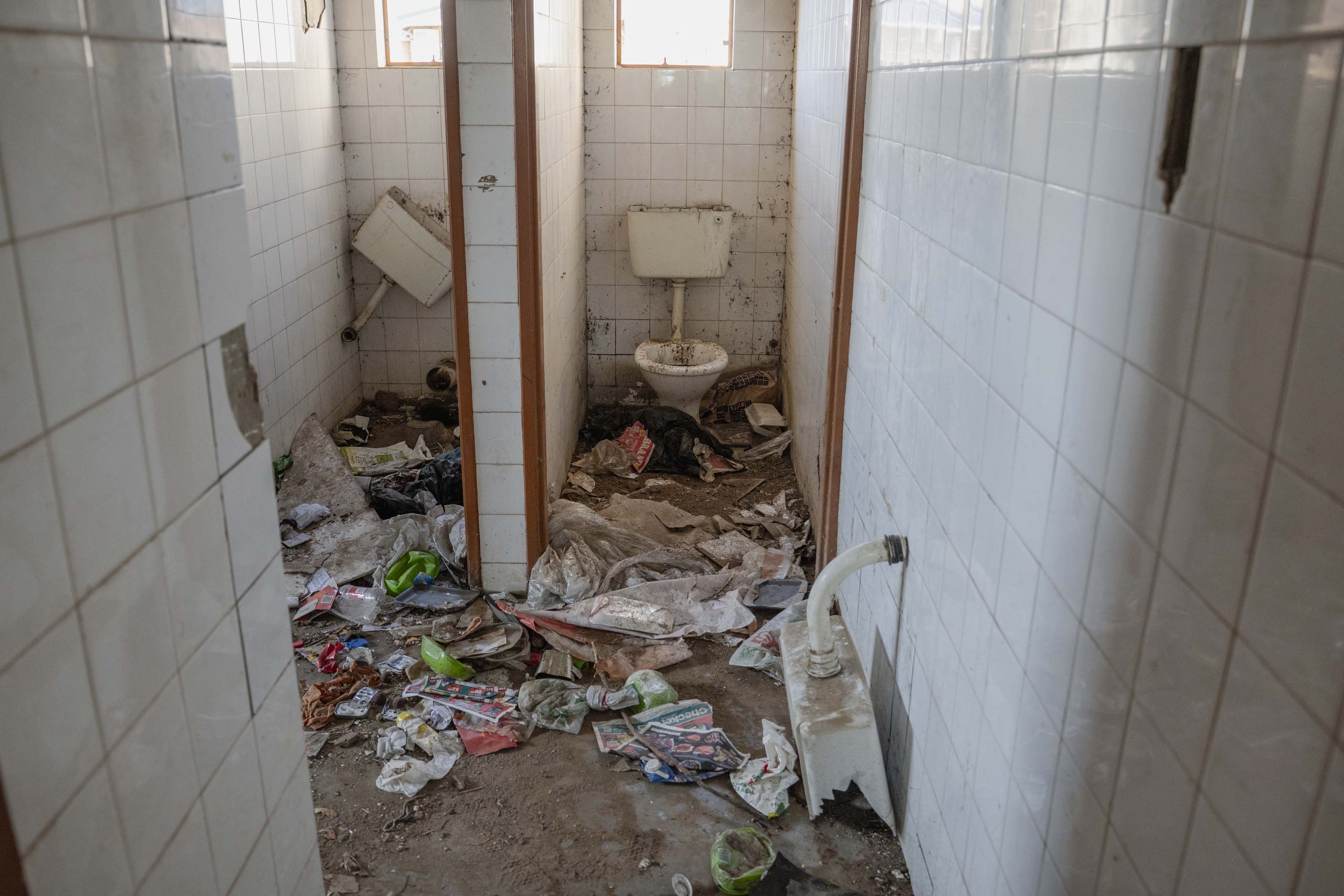
Vandalised toilets in the ruined Boikhutso community hall.
On 29 May 2026, finance minister Enoch Godongwana officially handed over Treasury’s mandatory financial recovery plan. The municipality has since completed the legal process for Eskom to take over electricity revenue collection and technical management.
In September 2026, Hlabisa said the intervention had made “meaningful progress”, with improved governance and timely submission of annual financial statements. But he said the municipality still faced financial problems and warned that some progress had started to slip.
The intervention is expected to conclude in September 2027.
But the residents we spoke to say they are yet to feel the impact.
GroundUp has contacted the Ditsobotla Local Municipality for comment since 11 September, but we had not received a response by time of publication.
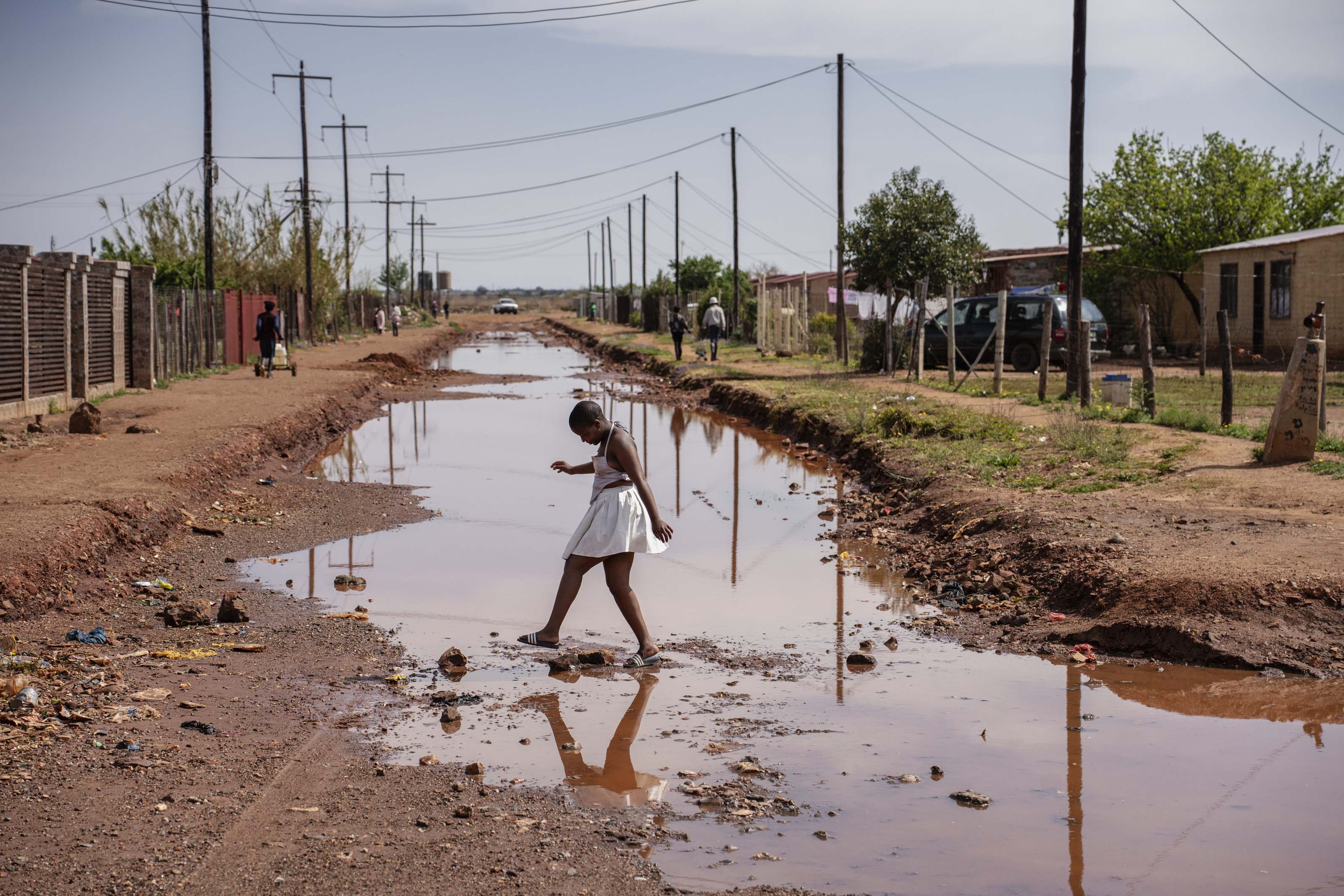
A young resident crosses the muddy street in Boikhutso.
Meanwhile, failures in the municipality have driven some businesses out of town. Clover’s 2021 closure resulted in over 300 job losses. Other businesses have stepped in to fix things.
Lichtenburg resident Naude Pienaar has been active in the community for years. He said the municipality did not have the expertise, capacity and “desire” to monitor the water network. He and his company, Agri NW, monitor reservoir levels, locate and fix leaks.
He has not noticed the effects of the government intervention, he said. He believes it is “patriotic community members keeping the municipality alive, not the government”.
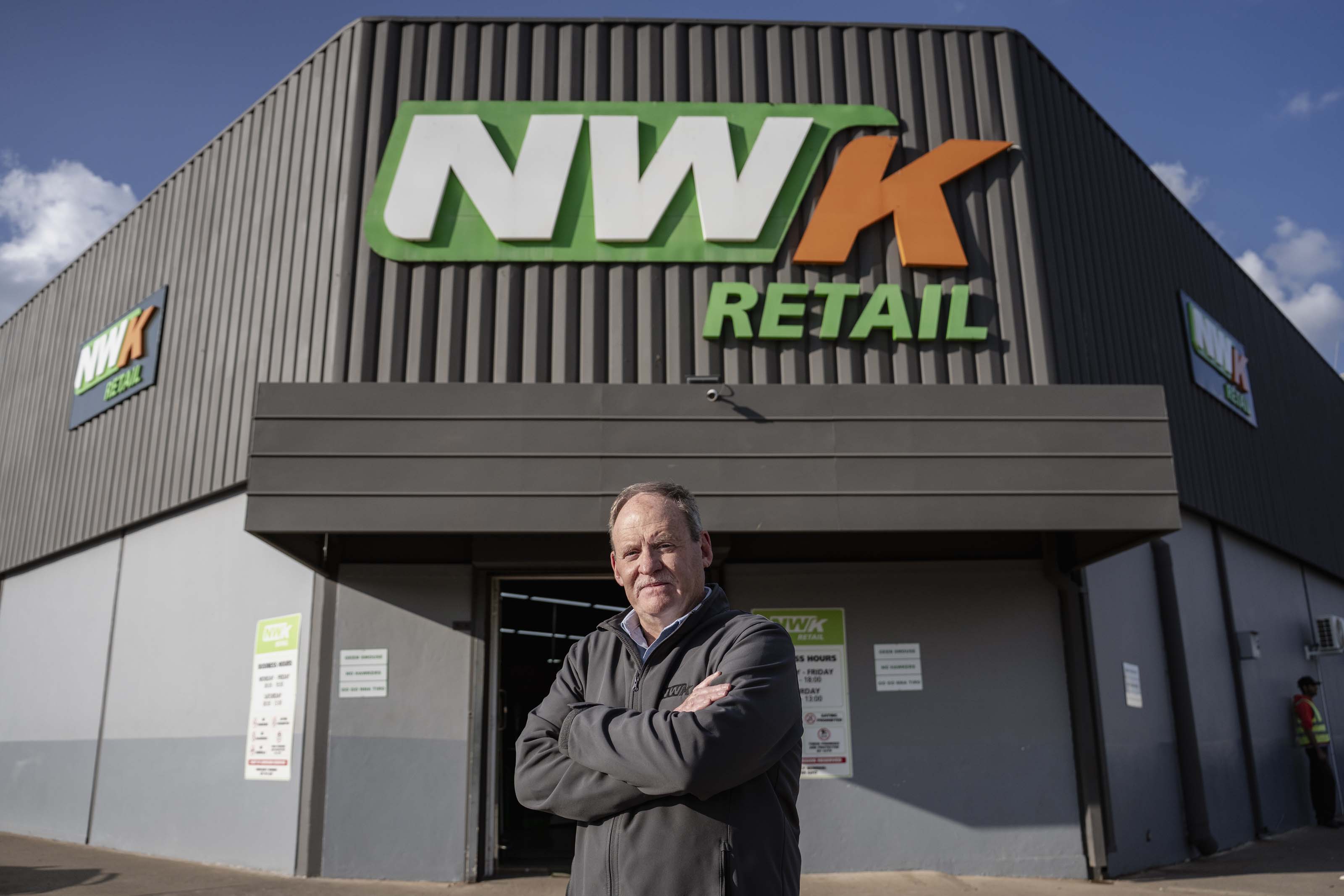
If agricultural towns like Lichtenburg fail, “the whole country does too”, says Johan Bezuidenhout.
Johan Bezuidenhout, communications manager of NWK, one of South Africa’s oldest agricultural companies, said Ditsobotla had been collapsing for years. But “the last five years have been particularly unbearable”. NWK employs about 2,500 people across the province.
“We can’t move our head office out of Lichtenburg. We are in the heart of the North West and our roots run very deep here,” Bezuidenhout said.
To maintain agricultural supply chains and safety on the roads, NWK secured a 2022 Memorandum of Understanding with the provincial government. In 2025/26, NWK scraped over 3,000 kilometres of gravel road and rebuilt 300 kilometres of roads leading to the company’s silos.
A crew is to be set up to drive up and down and repair potholes. NWK technical personnel help locate faulty underground cables, and the company has moved partly off the grid.
“Agriculture is the heartbeat of the country,” said Bezuidenhout. “If agricultural towns like these fail, the whole country does too. We can’t let that happen.”
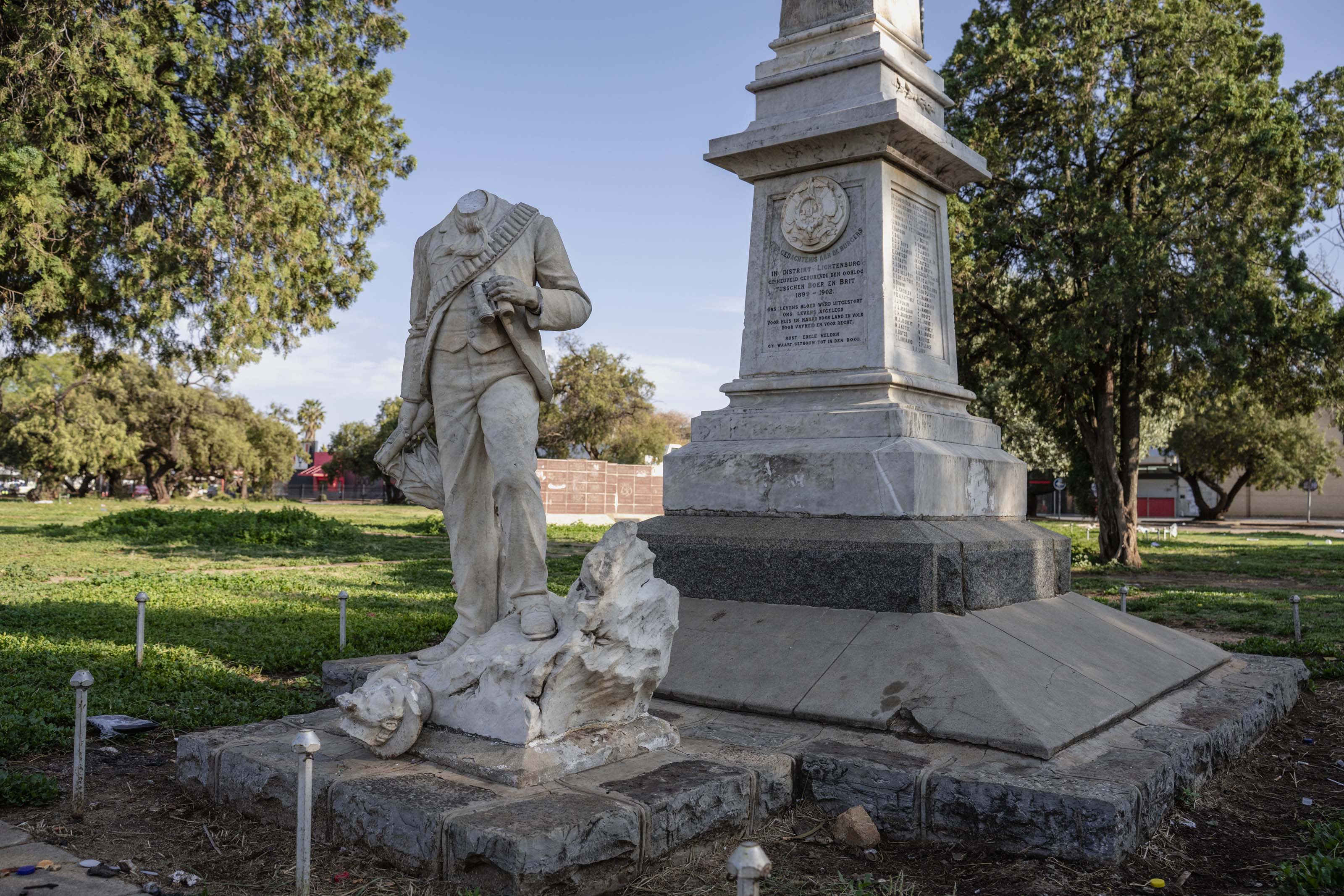
A headless statue dedicated to the soldiers in the South African war outside the Lichtenburg town hall.