31 August 2026
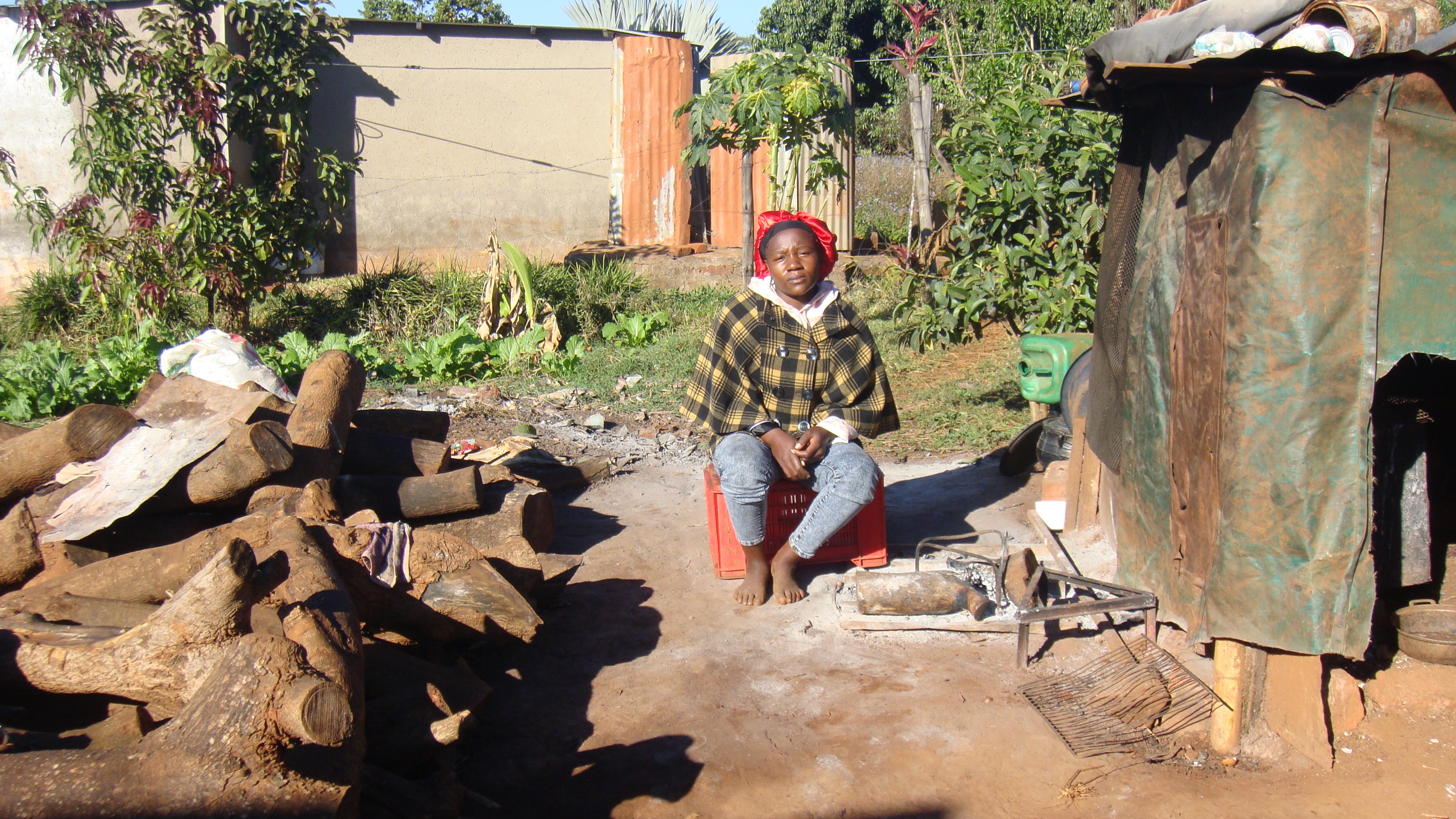
Ndivho Netshaulu’s family is one of the 19 families who returned to their homes after the January floods in Tshakhuma, Limpopo. The families were relocated to temporary accommodation, but said the services at the site fell short. Photos: Bernard Chiguvare.
Nineteen of the 21 families relocated after the January floods in Tshakhuma village, Limpopo, have returned to their homes. They said inadequate food and a lack of scholar transport made it unfeasible for them to remain at the temporary accommodation site, about 20kms away.
The families were relocated to the Farm House Boutique Guest Lodge in Nkuna village on 24 January after floods in ward 29 of Makhado Municipality. The flood victims were supposed to remain there while 21 temporary houses were built near the Tshakhuma market.
Community leader Thama Mutheiwana said the families were promised food and scholar transport in the interim.
Ndivho Netshaulu was among the 19 families who moved back to their damaged homes at the beginning of August. We met her making breakfast over an outdoor fire for her two siblings and two children.
The house has cracks. She repaired the roof herself but worries it is not secure and may blow away.
She said she left the lodge because her siblings were unable to attend school.
“There was no school transport anymore, so I could not pay R500 per sibling per month [for private scholar transport]. I only live on social grants,” she said.
She said food was also inadequate at the lodge. Food donations sometimes lasted only a few days or were delivered late.
She said they were also subject to a “very unfair” curfew and could not leave before 7am.
Nearby, Emmanuel Mafiki said his two children were at the lodge. He and his wife had remained at their home of 20 years, because he knew there would be no room for his belongings or his chickens.
Their home is still surrounded by water, which he said has been rising from the ground since January.
At the lodge, we met gogo Rebecca Lethabele who had been staying there with nine of her grandchildren. The children returned to Tshakhuma as she could not afford to pay their school transport.
“I cannot go back to my old original home as it is always stressful when it is the rainy season. It is better to wait for the temporary houses to be completed,” she said.
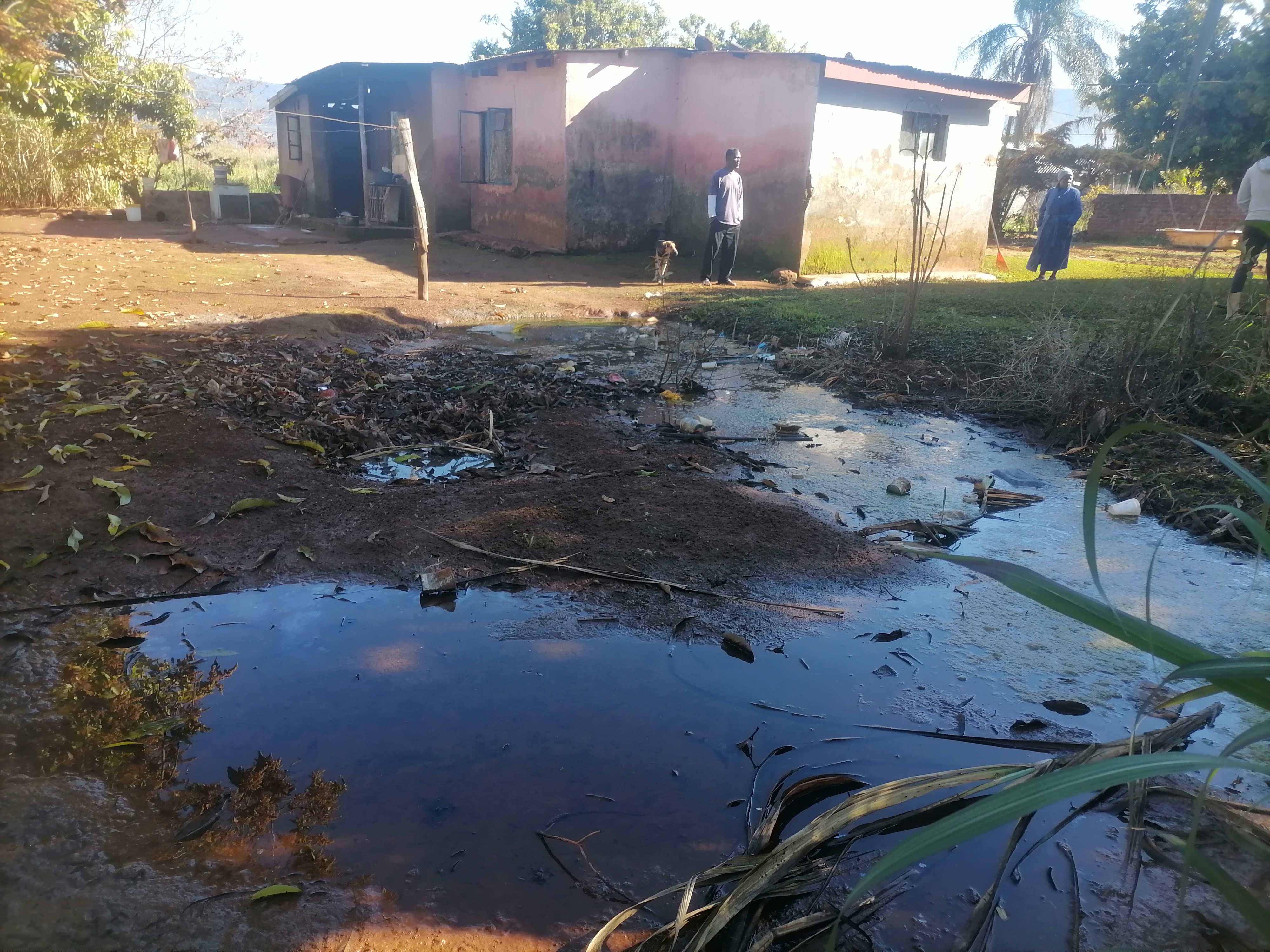
Emmanuel Mafiki’s home has been surrounded by water since January’s floods.
Mike Maringa, Limpopo education department spokesperson, said scholar transport for learners – from the lodge to Tshiemuemu Secondary, and to Luvhalani and Tshakhuma Madumbani primary schools – was provided until 1 August.
Tsekiso Machike, spokesperson for the Minister of Human Settlements, said, “The municipality, in collaboration with the province, was to provide transportation as well as daily meals.”
He said the national department provided temporary emergency accommodation at the lodge for 30 days and then extended this while the municipality and local traditional authority made alternative land available for the affected households. The department has now commenced construction of temporary residential units on the land, about two kilometres from the families’ original homes.
The Limpopo Department of Cooperative Governance, Human Settlements and Traditional Affairs referred GroundUp to Ntshengedzeni Tshishonga, who it said is leading the disaster response. He had not responded to our questions about transport, meals and the new accommodation at the time of publication.
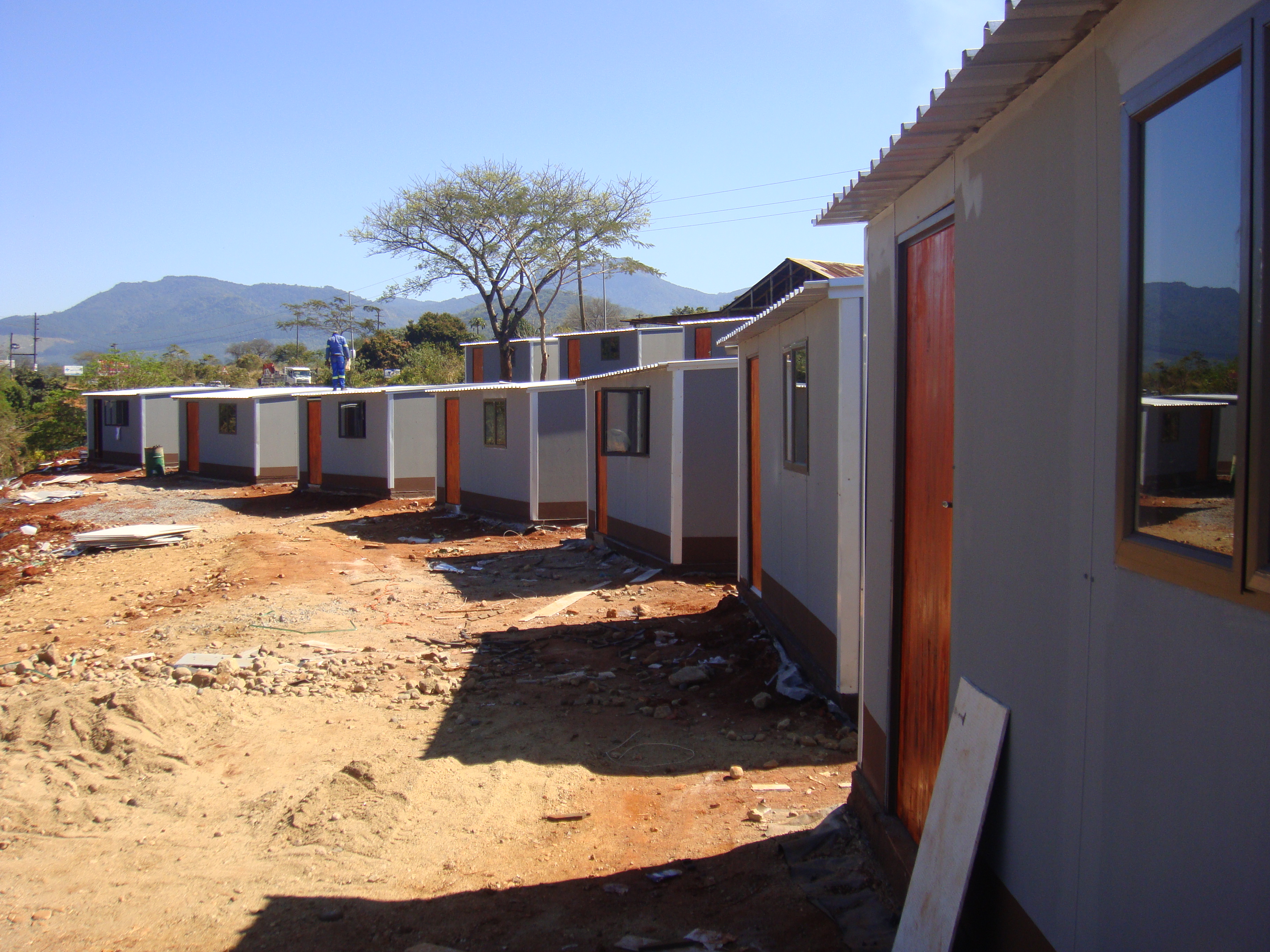
Temporary relocation units are still under construction.
