23 March 2026
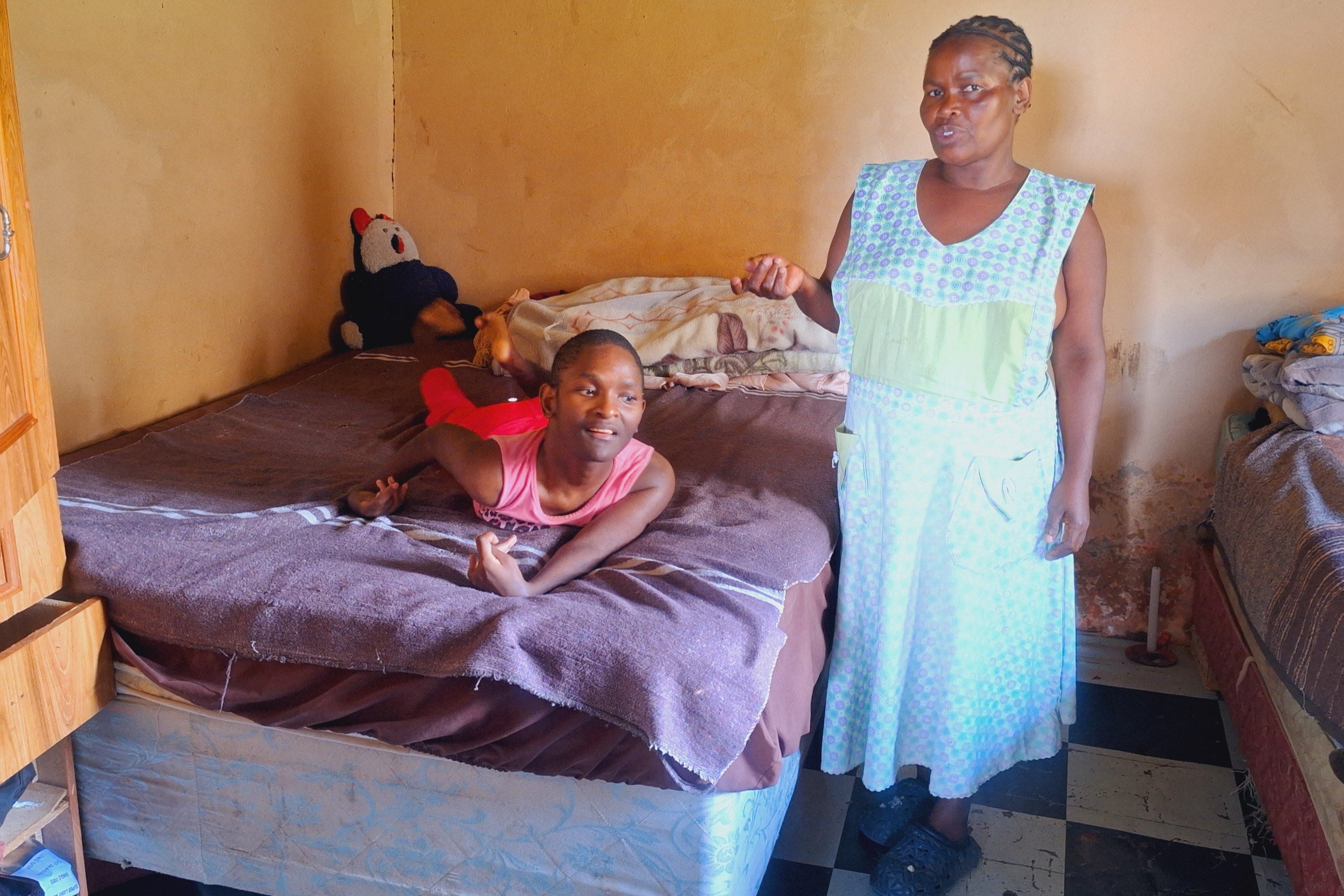
Bizeleni Gwanya from Sicwenza village outside Flagstaff was promised an RDP house for her and her daughter. But the housing project has stalled, and residents are sceptical that their homes will ever be built. Photos: Yamkela Ntshongwana
Bizeleni Gwanya, from Sicwenza village outside Flagstaff in the Eastern Cape, says she was excited to get a letter informing her that she would finally receive an RDP house suitable for her and her disabled daughter.
But three years later, only a few trenches have been dug where their subsidised house is meant to be built.
Eastern Cape human settlement department spokesperson Yanga Funani confirmed that Gwanya had been approved as one of about 500 beneficiaries of the Flagstaff-Ingquza Destitute housing project.
But, he said, the department has been unable to further fund the development due to budget constraints.
According to an OR Tambo District Municipality report in November last year, the housing project started in February 2023 and was expected to be completed in February 2026. The initial budget for the project was R104-million.
It stated that only 106 units had been completed at that stage, and attributed delays to “the contractor’s performance being affected by the vastness of the sites”.
The report further stated that a submission for additional funding is under consideration.
“The contractor has been encouraged to complete the project within the allocated budget,” the report read.
Meanwhile, Gwanya and her daughter live in a small mud home with an outdoor toilet.
Gwanya said that when the ward councillor and other officials visited her in 2023, she simply asked them to build her a toilet so she wouldn’t have to carry her 39-year-old daughter outside each time to relieve herself.
“I was very excited when, that same year, people came to start building. Little did I know I would never see them again. The lines they dug have grown grass now,” she said.
Another villager, Nomaternity Mbiko, lives in a two-room mud house with her two daughters and two grandchildren. She says her home leaks every time it rains due to the holes in her roof and walls.
According to Mbiko, she also registered for the housing project in 2023.
Mbiko supports her family with the R370-a-month social grant and occasional jobs.
Funani said that while the department has approved housing beneficiaries in the area, it will prioritise providing temporary shelter as immediate relief while longer-term housing projects are being addressed.
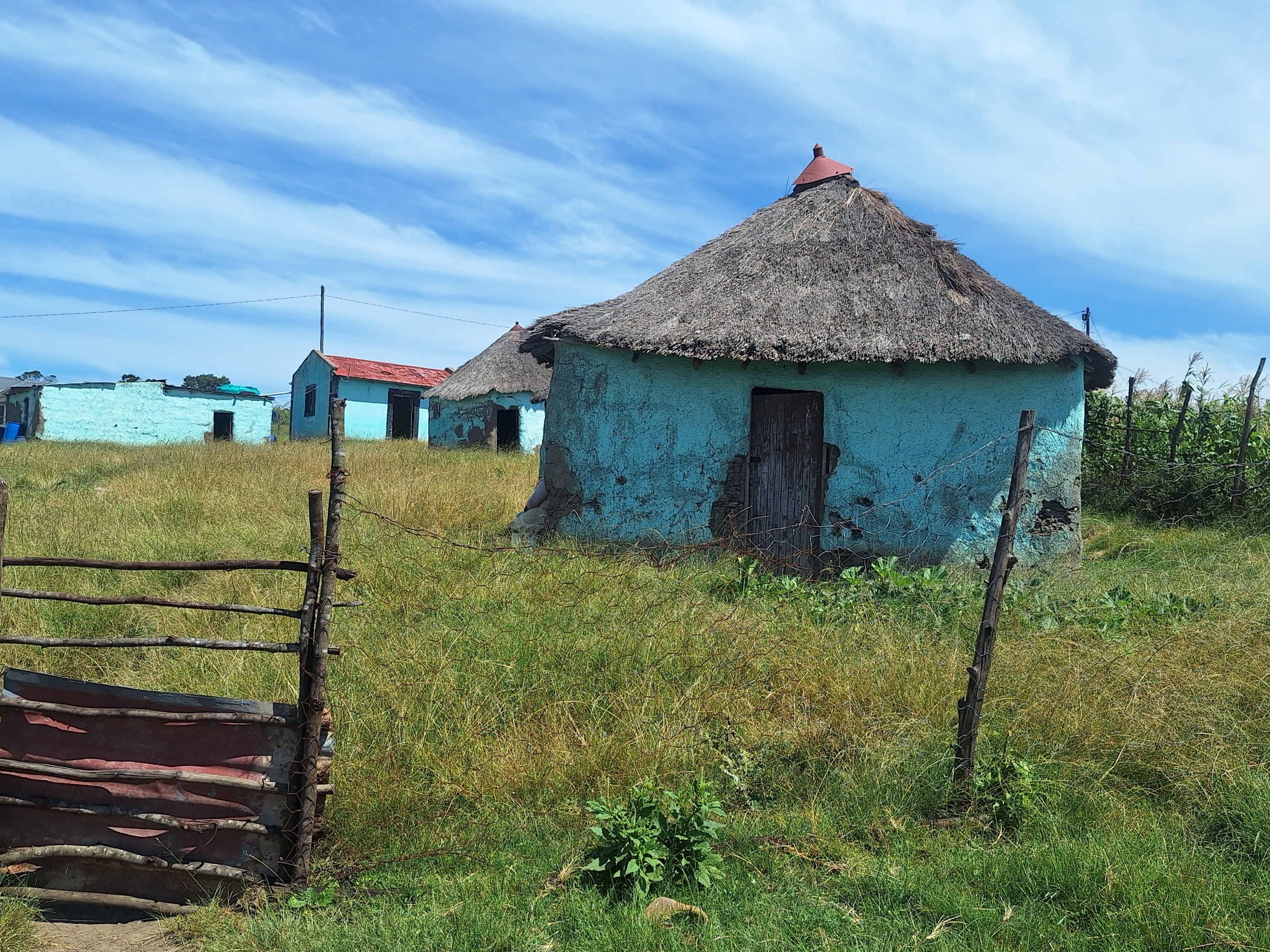
Many villagers who were meant to benefit from the stalled housing project live in old and weathered mud homes.
