
25 July 2026
South African citizens and some members of March and March stand with metro police and City officials after an attempting to raid Wemmer Shelter in Turfontein, Johannesburg. Photos: Kimberly Mutandiro.
Immigrants at the Wemmer Shelter (also known as Wembley Shelter) in Turfontein, Johannesburg, say they have been subjected to repeated unlawful door-to-door searches by authorities looking for “illegal immigrants”. They say the searches coincide with weekly March and March protests on Thursdays or arise from “tip-offs” by its supporters.
On Thursday morning, Veronica Kembo, who is Zimbabwean, woke up to the noise of vehicles and loud voices outside her room. She saw vehicles from the City, Johannesburg Metropolitan Police Department (JMPD) and the South African Police Service (SAPS).
The residents were made to go outside. The authorities said they had come to verify documents and search for evidence of criminal activity.
Wemmer Shelter consists of a main brick building, some tents and shacks, and container accommodation. It is home to some South Africans but mostly immigrants from Tanzania, Zimbabwe, Mozambique, Malawi and Lesotho, who were displaced by fires or evicted from buildings in inner-city Johannesburg between 2016 and 2019. It was meant to be temporary accommodation.
Fortunately for the residents, representatives of the Socio-Economic Rights Institute of South Africa (SERI), alerted by their clients, arrived and stopped the door-to-door search on Thursday, as the officials did not have a search warrant or a court order.
According to SERI executive director Nomzamo Zondo, mayco member for human settlements Mlungisi Mabaso was present. He said he was there to deal with undocumented immigrants and crime.
“The City and Home Affairs were interdicted from entering without a warrant or court order, and we read them the Industry House judgement,” said Zondo.
The Industry House judgment by the Constitutional Court in 2021 held that SAPS, JMPD and Home Affairs could not raid, search or seize property or persons living in inner-city buildings and private homes without authorisation, warrants or court orders, except in exceptional circumstances. The case followed reports of unlawful raids targeting immigrants between 2017 and 2018.
Mabaso, in a media advisory before the raid, said he would lead an operation in Turfontein against illegal occupation in the area.
SERI is now taking instructions and collating evidence of Mabaso’s intention to defy a court order.
Ethel Musonza, of the Zimbabwe Isolated Women in South Africa, said a number of raids in recent weeks were conducted without a warrant or court order.
“She said many of the people who are being arrested during raids are asylum seekers who have been struggling to renew documents at the refugee centre in Pretoria.”
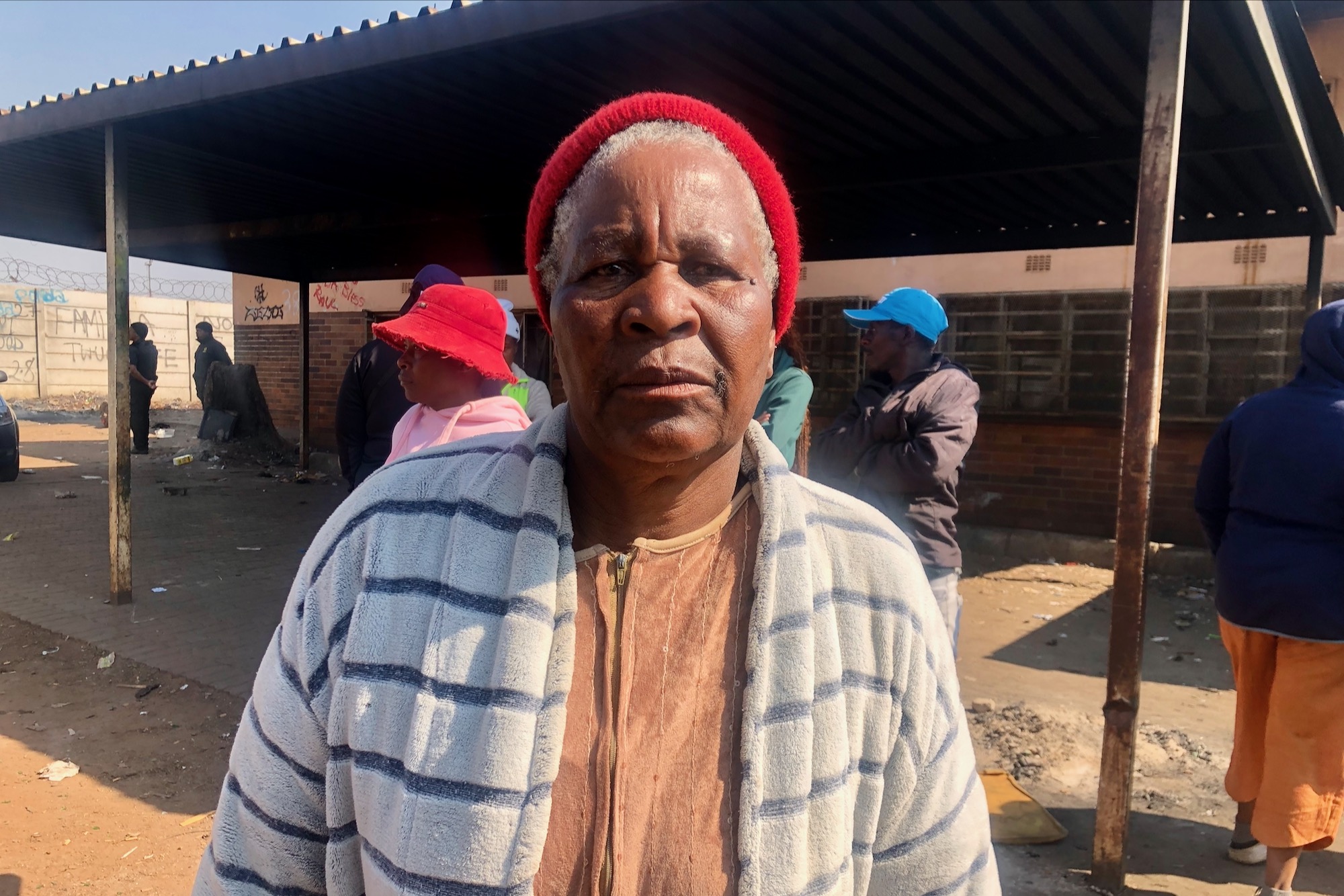
“Blaming us for crime because we are immigrants is not justified,” says Veronica Kembo, from Zimbabwe, has lived at the shelter since 2016 and in South Africa since 2010.
Kembo says immigrants and South Africans, who moved from tents to containers at the back of the shelter, have been living in harmony for years. But recently tensions have been rising, with South Africans demanding to move to the main building and the immigrants to vacate it.
A March and March group living at the shelter has been staging protests on Thursdays and stopping residents from fetching water on the South African side of the settlement.
“I’m one of the people who were moved to this settlement in 2016, and I have a card to prove it. Blaming us for crime because we are immigrants is not justified,” said Kembo.
Tanzanian asylum seeker Issa Bakari said he moved to the shelter 11 years ago. Now fearing for his safety, he has registered for repatriation with the Tanzanian Embassy, which has promised to provide buses in two months’ time. He is currently saving money to start a business when he returns home.
Zinhle Jali, a South African who lives with her Zimbabwean partner, said tensions escalated after 30 June. She said the March and March group had said they would summon the police to remove all “illegal immigrants”.
Nomcebo Ngubane, another South African living at the back of the shelter, said she is not a member of March and March. But added that residents were fighting only against those immigrants who were committing crimes and keeping drugs and stolen copper cables at the settlement.
“People are being killed; children are being raped. That is why we are fighting. The City should move us to permanent houses where we can live safely,” said Ngubane.
Ngubane said a meeting had been held with the ward councillor and authorities to address the issues.
Sandile Msimango, a March and March member living on the premises, accused immigrants of committing crimes. He said immigrants must return to their countries. He said South Africans will only be able to fix problems in the country after immigrants leave.
The provincial Department of Human Settlements has not yet responded to our request for comment.
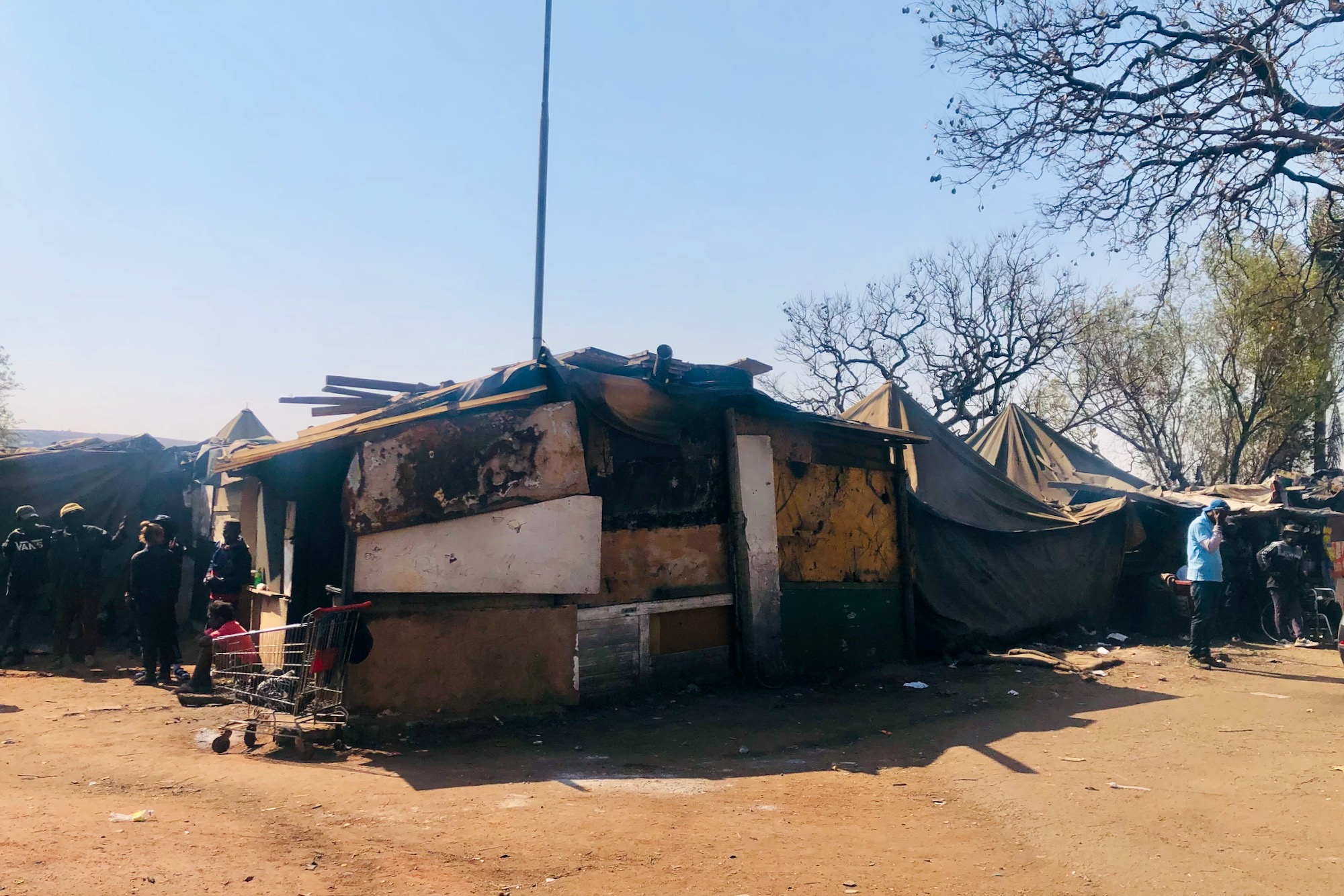
Part of the shelter settlement comprises of tents and shacks, where mostly immigrants from Tanzania and Mozambique live.
