13 January 2026
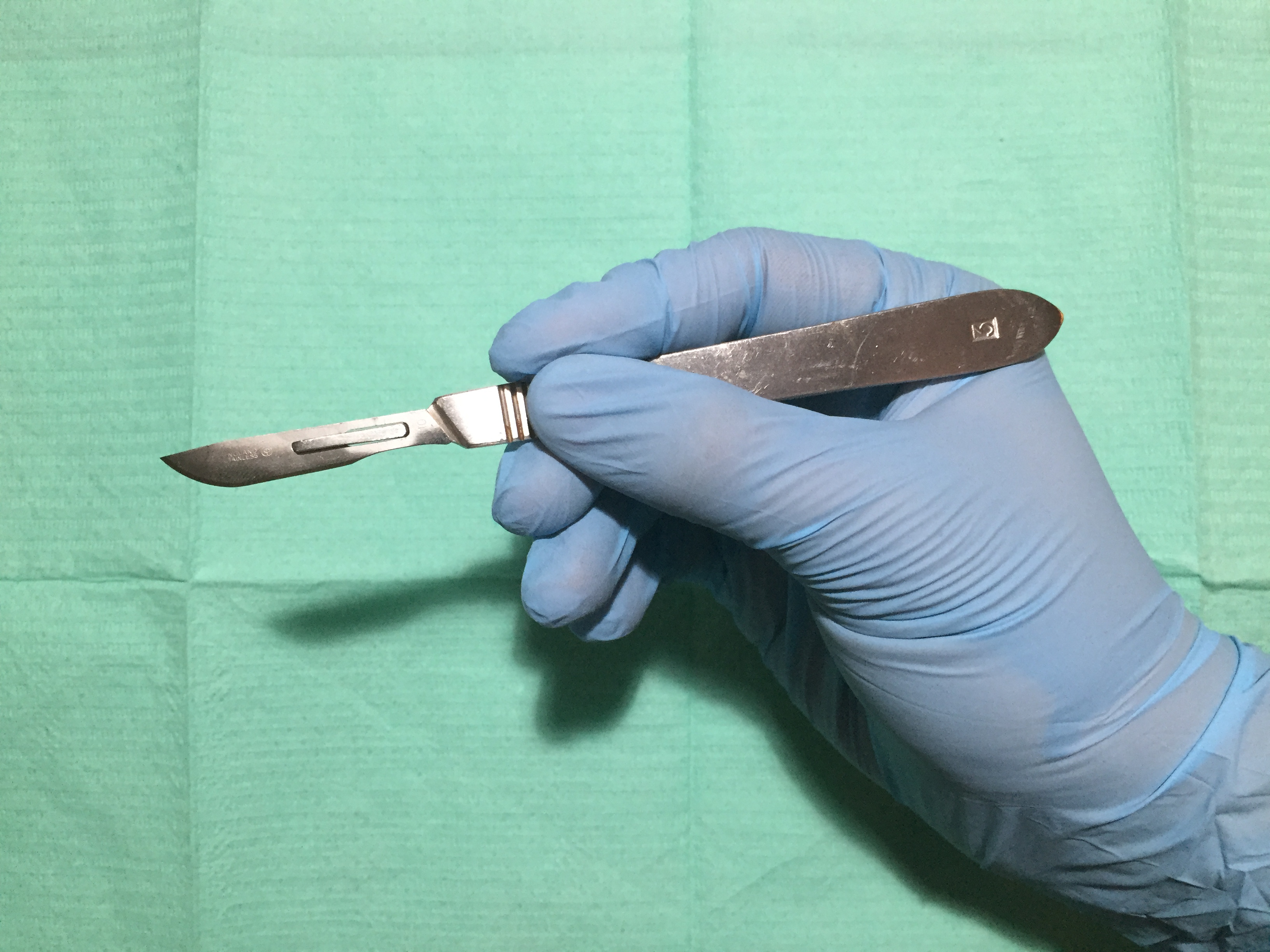
Circumcision has been shown in large clinical trials to be effective at reducing the risk of HIV transmission. But devices need to be thoroughly tested for safety before they are used. Photo of a scalpal: Wikimedia user Rickyblax (CC BY-SA 4.0)
About 96,000 circumcision devices procured under a controversial national treasury tender are about to be rolled out to clinics in KwaZulu-Natal.
The tender is being challenged in court with allegations that CircumQ devices are untested and unsafe, particularly for use in boys between the ages of ten and 14.
It is the first time the devices will be used in the province.
The three-year tender will expire in August this year. The department has been unable to explain why it has only placed its order now and in the face of a court challenge.
Eugene Khumalo, acting clinical co-ordinator at Northdale Hospital’s Centre of Excellence, established in 2012 to improve the quality of circumcision services in the province, sounded the alarm in a memorandum to health bosses in December.
His concerns appear to have fallen on deaf ears.
KwaZulu-Natal health department spokesperson Ntokozo Maphisa said the specifications for the tender were done at national level.
“The 96,489 CircumQ devices ordered by KZN Health are budgeted for in the 2025/26 budget to supply and deliver the devices for training and performance of medical male circumcisions,” said Maphisa.
Circumcision has been shown in large clinical trials to be effective at reducing the risk of HIV transmission. But devices need to be thoroughly tested for safety before they are used.
Unicirc, a competitor of CircumQ that also supplies the government with devices, launched a court challenge against the tender last year.
Dr Cyril Parker and his wife, Dr Elisabeth Pillgrab Parker, both considered circumcision experts with in-field experience, are co-directors of Unicirc in South Africa, which has the licence to distribute and sell the single-use circumcision device.
They say their device is tried and tested. It allows for complete circumcision in one visit in about ten to 12 minutes, does not need stitches, and can be performed by a single trained health care provider (including nurses) using a local anaesthetic.
They say the manufacturer has started the process of securing World Health Organisation prequalification, based on medical trials which have proven it to be safe, particularly in the target ten to 14 age group.
In contrast, they allege, very little is known about the CircumQ device, which requires suturing (stitches), which is not done at outreach and mobile sites.
“I am not aware of any peer-reviewed publications that consider its use. It has not been reviewed in any of the WHO literature I have perused or in any systematic review of circumcision devices that I have read. This is in contrast to the Unicirc device as well as other products,” Parker said in his affidavit.
While the various provincial health MECs and CircumQ were cited as respondents in the court proceedings, only the national treasury has entered the fray, defending the tender award and saying that bidders did not have to present scientific data supporting the use of the devices on adolescent boys.
It is expected that the matter will be heard this year, but possibly not finalised before the tender expires.
CircumQ could not be reached for comment.
Khumalo has documented his use of the Unicirc device in a peer-reviewed journal, the African Journal of Urology.
In his “urgent” letter, dated December 2025, addressed to VMMC (voluntary medical male circumcision) “relevant authorities” - which GroundUp has seen - he expresses his “profound alarm, grave concern” and asks for urgent intervention regarding the procurement of the CircumQ device.
He said the procurement had been done without consultation with the Centre of Excellence and says “this directive recklessly endangers patients, violates clinic governance and risks catastrophic legal and financial consequences” for the department.
He said there were more than 90 staffers trained to use the Unicirc device, which had been used successfully in more than 2,000 circumcisions.
In comparison, no one had been trained to use the CircumQ device.
He cautioned that the province’s order represented “a massive financial commitment to a device that could be withdrawn from the market by court order”.
Khumalo called for a transparent, clinical legal review involving all stakeholders to assess the CircumQ device against the established Unicirc protocol.
“This situation is beyond any procedural disagreement. It clearly represents a fundamental failure of clinical governance that places vulnerable patients and the entire VMMC program at dire risk. I am prepared to provide all documented evidence, including prior communications and my published work, to support an immediate corrective intervention,” he said.
But a source in the health department alleged that Unicirc, which had a contract that ended in January 2025, has underdelivered, supplying 9,100 out of 14,000 devices ordered.
The source, speaking to GroundUp anonymously, said the underdelivery meant that the province could not fully achieve its objective of upscaling medical male circumcision as part of its HIV prevention programme. It also meant that the training had fallen short of what was expected.
Training on the CircumQ devices would begin once the devices were delivered, the source said.
But Unicirc’s Dr Pillgrab Parker told GroundUp that all ordered devices had been delivered and some were sitting in the supply depot “as we speak”.
She said Unicirc also provided a complete pack for circumcision at a cost of R460. CircumQ’s device could not be used without an additional kit, with the total cost being about R700.
This was confirmed by the health department source, who said delays in placing orders with CircumQ were, in part, because it had been discovered that an additional kit was needed to be used with the device, which had to be procured separately.
This is not the first time that KZN’s circumcision programme has been engulfed in controversy. In 2011, health officials were criticised by the Treatment Action Campaign for using an untested device called the Tara KLamp.
Disclosure: GroundUp’s editor was part of the Treatment Action Campaign’s team that criticised the Tara KLamp scandal.
