30 January 2026
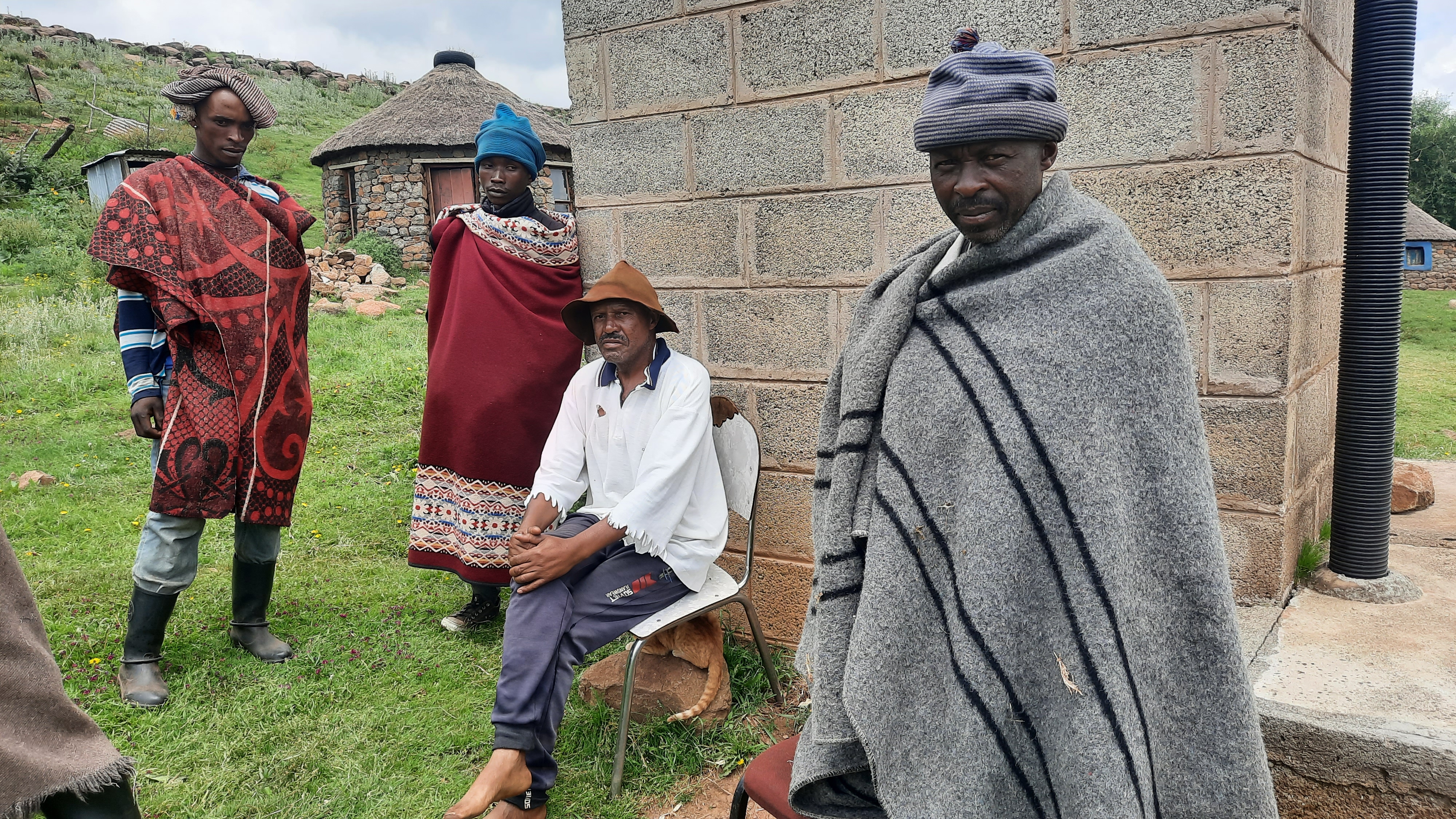
Chief Rapokolana Theko (on the right) says the authorities have broken their promises to the villagers. Photos: Sechaba Mokhethi
Twenty-five years after their land was taken during the construction of a dam supplying water to South Africa, the community of Ha Rapokolana is still waiting to be compensated.
The land was converted into a campsite during the construction of the Mohale Dam as part of the Lesotho Highlands Water Project. When dam construction ended, the Lesotho Highlands Development Authority (LHDA) handed the site to the government, which transformed it into the Rapokolana High-Altitude Training Centre.
Today, this sports centre is abandoned and vandalised, a symbol of failed national sporting ambitions. But for the families who once farmed the land, the consequences are far from symbolic. They have not been compensated for the resources they surrendered, and are living in what community leaders describe as a permanent state of waiting.
In November 2025 the Ha Rapokolana village committee, led by chairperson Tankiso Sekese, sent a petition to the LHDA complaining that there had been no compensation for Ha Rapokolana and its sub-villages, including Sehlabeng, Ha Tsolo, Ha Hloho-ea-Phiri, Ha Moshoantle, Sosa, Leropong, and Ha Lira. Nor has electricity been provided to the villages as promised..
The dispute dates back to 2001, when an LHDA delegation met the then village chief and residents to request land for a campsite, quarries, and other facilities needed to construct a gravel road encircling the Mohale Dam.
Chief Rapokolana Theko said his late father was the chief at the time. He said the community agreed only because they were promised benefits.
“They sold the idea to us,” said Theko.
According to committee records and the chief’s testimony, the LHDA promised communal compensation, access roads into villages, electrification of households, payment for individual property like fields and trees, and employment for local residents.
But when the project was implemented between 2001 and 2004, those promises largely evaporated.
The LHDA installed pit latrines and water taps, but the committee says the water is piped from wells that dry up during dry spells. Theko says the sanitation project was never completed, leaving many households without toilets and forcing families to share with neighbours.
A road was constructed, but Theko said it was a narrow track designed for heavy construction trucks to access Mohale Dam and is useless for the villagers.
Theko said for residents the greatest disappointment is the electricity that never came. “Power lines were diverted before reaching our village and taken to Ha Letsie, on the other side of the Jordan River.”
He said the LHDA left behind piles of rock debris and quarry waste on Rapokolana’s fields near the sports centre, rendering once-productive land unusable for farming.
Environmental changes linked to the dam have further deepened hardship. The village committee records show an increase in wild animals that destroy crops such as maize, beans, and potatoes, losses that they say have contributed to chronic hunger and poverty.
When it comes to monetary compensation, the figures have been inconsistent and, according to residents, steadily shrinking. “In 2020, a government minister and the LHDA told us during a gathering that compensation had been set at M10 million,” the committee noted. “By 2023, the LHDA said compensation for natural resources was only M1,040,000.” (M1 equals R1)
When residents questioned the drastic reduction, the committee said they were told that negotiations were taking place between the governments of Lesotho and South Africa over the issue. But, the committee says, neighbouring communities affected by the same project have received both compensation and electricity, while Rapokolana has been left out.
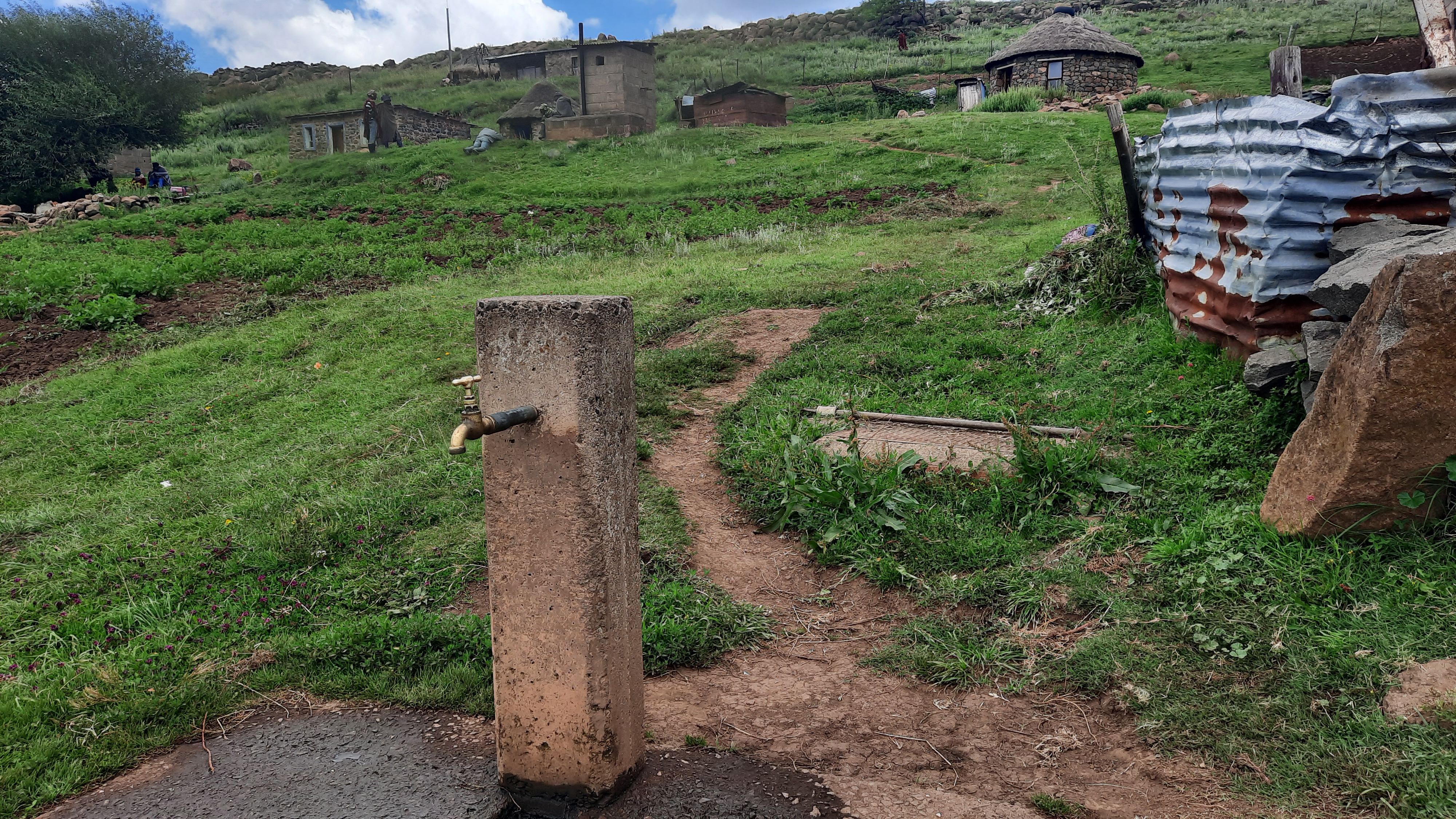
One of the taps, which Chief Rapokolana Theko says runs dry in the dry season.
Tensions escalated in May 2024 when the LHDA announced plans for an 82km feeder road around the Mohale Dam and introduced a contractor who intended to once again establish a campsite at Ha Rapokolana.
At the introductory meeting, residents demanded to know how a new phase of construction could begin when compensation from the first phase remained unpaid. According to the community, the LHDA manager declined to respond, saying the issue was “not on today’s agenda”.
After decades of frustration, residents protested at the contractor’s site in November 2024. They are now demanding M20-million in compensation, a figure that includes the full electrification of all villages under Rapokolana’s jurisdiction.
Following the protest, LHDA chief executive officer Tente Tente wrote to Chief Theko acknowledging receipt of the community’s petition. In a letter dated 10 December 2024, Tente said the LHDA board had resolved to establish an interim committee to engage the Lesotho Highlands Water Commission, a body that represents the governments of Lesotho and South Africa and oversees the LHWP.
He promised that a “permanent resolution” would be presented in February 2025.
That deadline passed without a solution.
In a follow-up letter dated 6 March 2025, Tente acknowledged that although the board had submitted recommendations to the Lesotho Highlands Water Commission in early February, management was still “awaiting a final resolution from the Commission”.
Tente expressed regret over the “prolonged delay” and assured residents that the LHDA was doing “everything within its power”. But after 25 years, scepticism remains high in Ha Rapokolana.
Responding to GroundUp’s questions, LHDA spokesperson Mpho Brown confirmed that “payment of communal compensation for Ha Rapokolana community remains under consideration”.
He did not specifically comment on electrification.
The LHDA “takes matters of compensation and community welfare very seriously,” he said, and was “committed to finding a speedy and responsible resolution”.
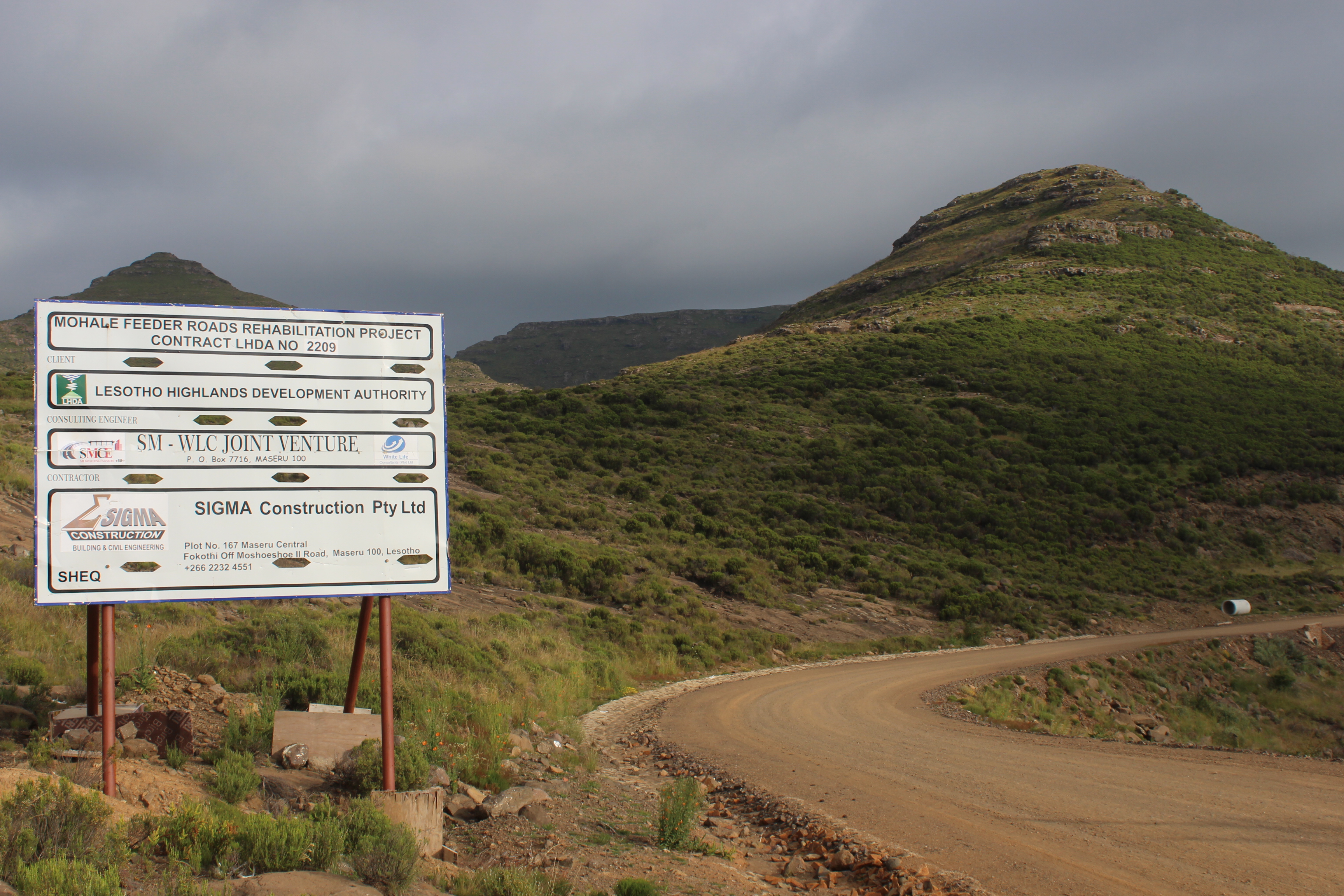
The Mohale Dam feeder road under construction.