29 April 2026
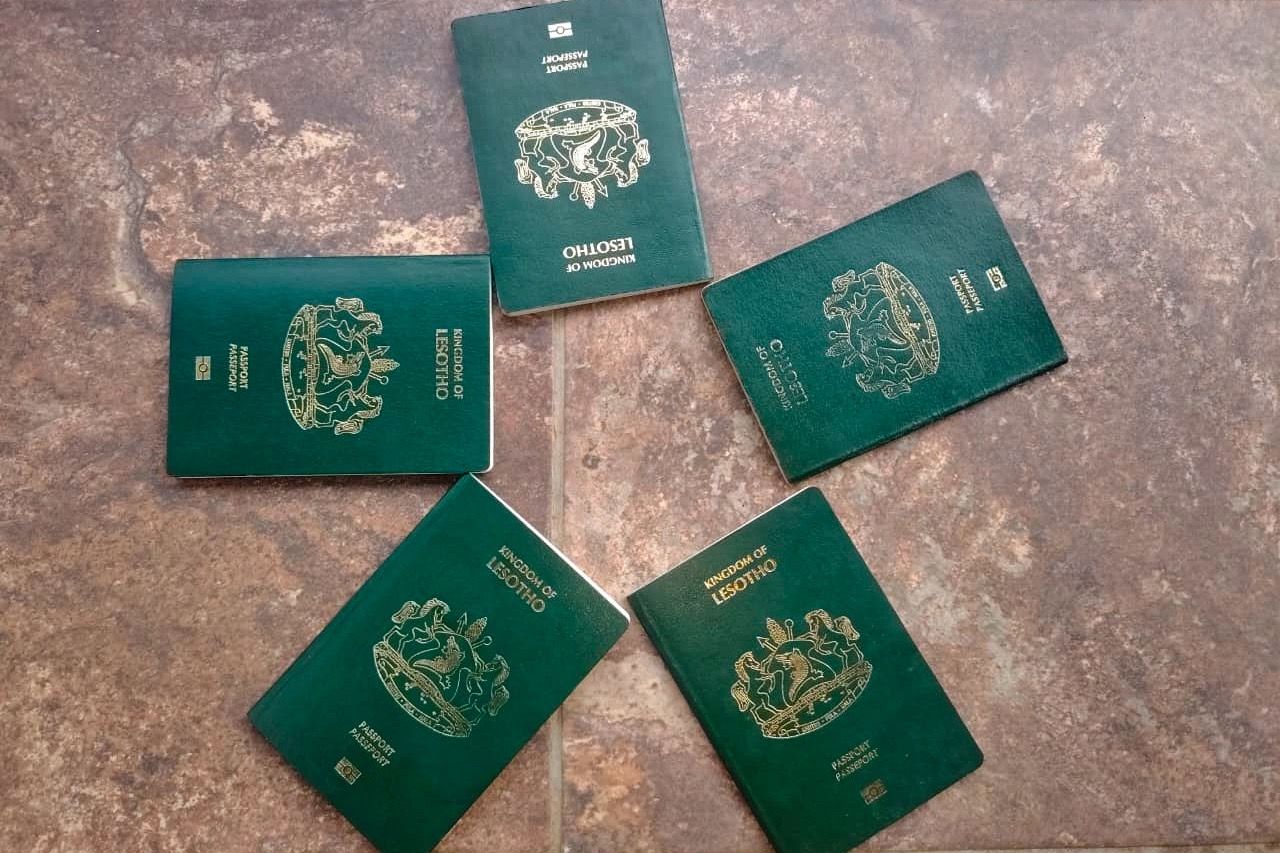
Lesotho nationals who overstayed their time in South Africa have been invited to register with the Ministry of Home Affairs in Maseru with a view to getting amnesty. Archive photo: Sechaba Mokhethi
Lesotho has begun compiling lists of Basotho nationals barred from South Africa for overstaying. This is part of an amnesty process announced by Minister of Home Affairs Lebona Lephema following a meeting with his South African counterpart Leon Schreiber in Cape Town earlier this month.
Puleng Mbangamthi, Director of Legal Affairs at Lesotho’s Home Affairs department, said then that the two countries had agreed on an amnesty process for Basotho who had overstayed in South Africa, provided they register with Lesotho’s immigration authorities.
“These are individuals who overstayed only, not those who committed crimes,” she said. “Their details will be verified with South Africa before they are cleared. Those affected are urged to register immediately.”
On Tuesday, the Ministry of Home Affairs issued a public notice calling on Basotho who overstayed in South Africa but who have not committed criminal offences, to report to the ministry’s immigration office in Maseru for registration.
“They are requested to bring their travel documents (passports). Those in the districts are requested to report to their respective District Administrator offices during working hours,” the notice reads.
Home Affairs spokesperson Marelebohile Mothibeli told GroundUp that registration takes effect immediately.
The amnesty process is one of the recommendations of a joint task team aimed at simplifying movement between Lesotho and South Africa. The team also recommended that nationals from both countries be able to cross the border using only IDs.
After GroundUp reported on the agreement, South Africa’s Department of Home Affairs issued a statement denying that any final decision had been taken to allow cross-border travel using identity documents.
In the statement, South African Home Affairs spokesperson and Deputy Director- General for Operations Thulani Mavuso said Home Affairs ministers from Lesotho and South Africa met in Cape Town on 17 April to receive a study report from a joint task team established to develop a new migration model between the two countries.
“The Ministers were directed by the Bi-National Commission between the two countries to undertake the study. This was the first time that the outcome of the study was presented to the Ministers with various recommendations which are to be considered by the Bi-National Commission,” Mavuso said.
He said no agreement had been signed to immediately allow travel using national identity cards and insisted that all travellers must continue to present valid passports at shared ports of entry until the Bi-National Commission (BNC) considers the proposals.
Lesotho’s Ministry of Home Affairs has cautioned that claims on social media suggesting that travel using national identity cards had already begun were false.
“The Ministry categorically states that these claims are false,” the ministry said in a statement on 22 April. It said “no final decisions have been made” and the proposal would still be tabled before the upcoming BNC meeting, to be co-chaired by Prime Minister Samuel Matekane and President Cyril Ramaphosa.
However Mothibeli said the amnesty process for Basotho banned for overstaying can be implemented immediately. “The issue of overstayers being declared undesirable falls under the measures that take effect immediately. It is not one of those that requires BNC approval.”
According to Mothibeli, the registration process now underway is the first step in that clearance.
Once the lists are compiled, she said, Lesotho’s Director of Immigration will submit them to Pretoria, where South African authorities will verify the names and clear qualifying individuals.
South Africa has so far avoided publicly listing which other recommendations from the Cape Town meeting were approved at ministerial level and which were deferred to the BNC.
Mavuso did not respond to GroundUp’s specific questions on this distinction.
South African Home Affairs media manager David Hlabane also referred GroundUp back to Mavuso’s statement and declined to answer GroundUp’s questions on which measures Lesotho could implement immediately.
“I believe the statement will suffice,” Hlabane said.
