19 August 2026
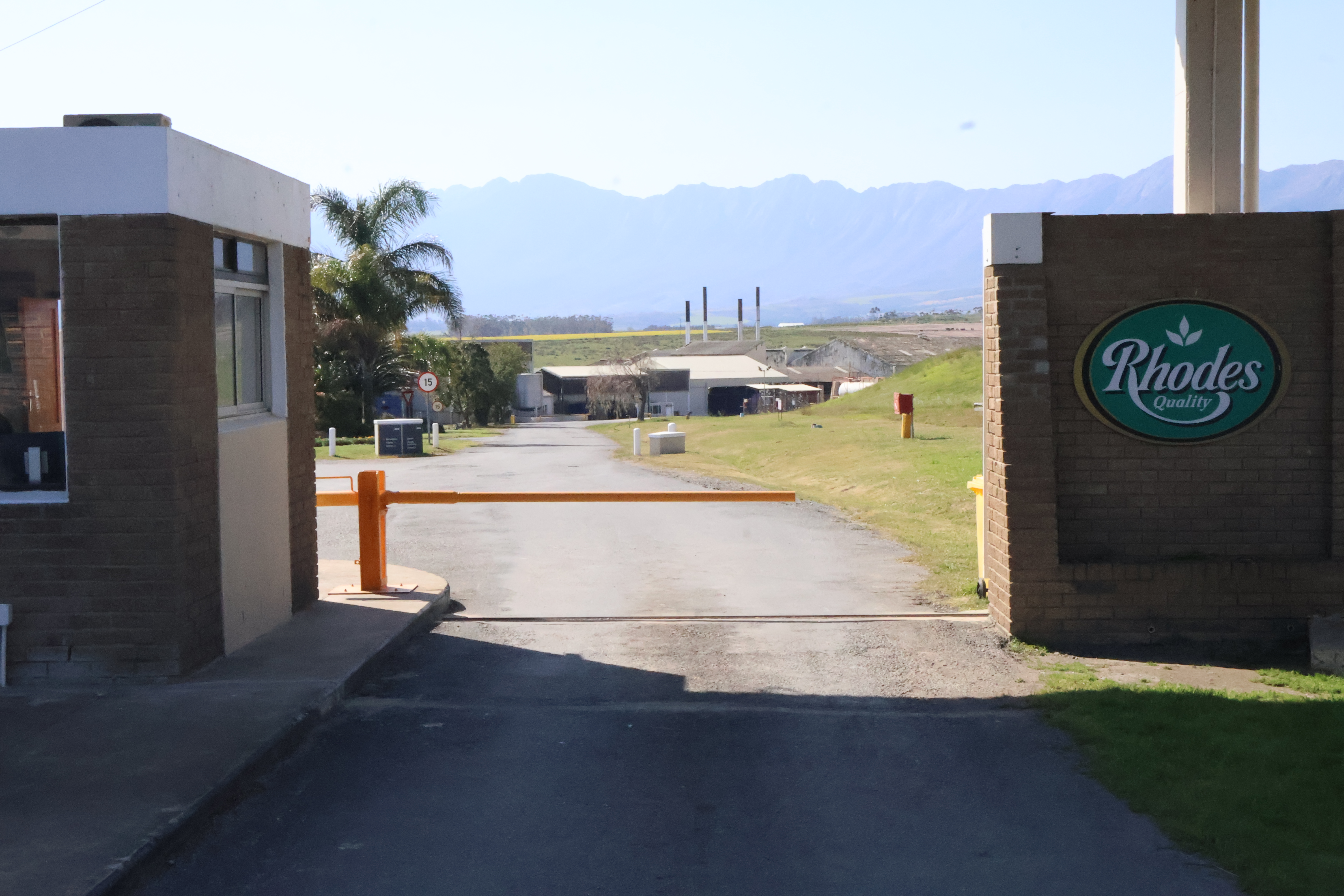
Life in Tulbagh has centred on the fruit canning factory for generations. Photos: Greg Dor
For more than 70 years, life in the small Western Cape town of Tulbagh has centred on the fruit canning factory. The rhythm of the fruit seasons determined when people worked and earned, when shops were busy, and what food families could put on the table. Now the factory is facing closure, threatening not only thousands of jobs but a way of life that generations of people in the valley have built around it.
The factory has been a major source of work since it was established in 1954. for generations of workers. Some are from Tulbagh and nearby towns like Gouda, Wolseley and Saron; some who travel from the Eastern Cape, following the seasons for apricots, peaches, pears, and guavas.
According to COSATU, the factory employs more than 3,500 people. Very few are permanent: most are seasonal or work on fixed-term contracts which are renewed.
Premier Group bought the plant from Rhodes Food Group in March, only to announce soon afterwards – just months before the main season starts in November – that it would be closed.
In a statement earlier this month, Premier said the business was no longer sustainable. About 90% of the factory’s production was exported, it said, “making the operation highly dependent on global demand and international competitiveness. Demand has declined sharply, year on year.”
Premier said it recognised that this was “a deeply difficult and uncertain time for affected employees”, many of whom had given years of service to the factory. “The company understands the impact that this process may have on employees, their families and the broader Tulbagh community, and is committed to managing the process with care, respect and transparency.”
The decision has created uncertainty far beyond the factory gates. Factory workers fear the loss of their livelihoods; some have already lost them. About 2,000 farm workers’ jobs are also at risk. Producers are appealing for time and scrambling for solutions before the coming season. Community organisers are already dealing with increased demands for food and other basics. Local businesses, taxi operators and informal traders are concerned about revenue that is heavily dependent on factory workers. And young people who have traditionally relied on the factory for their first jobs are wondering where they will go.
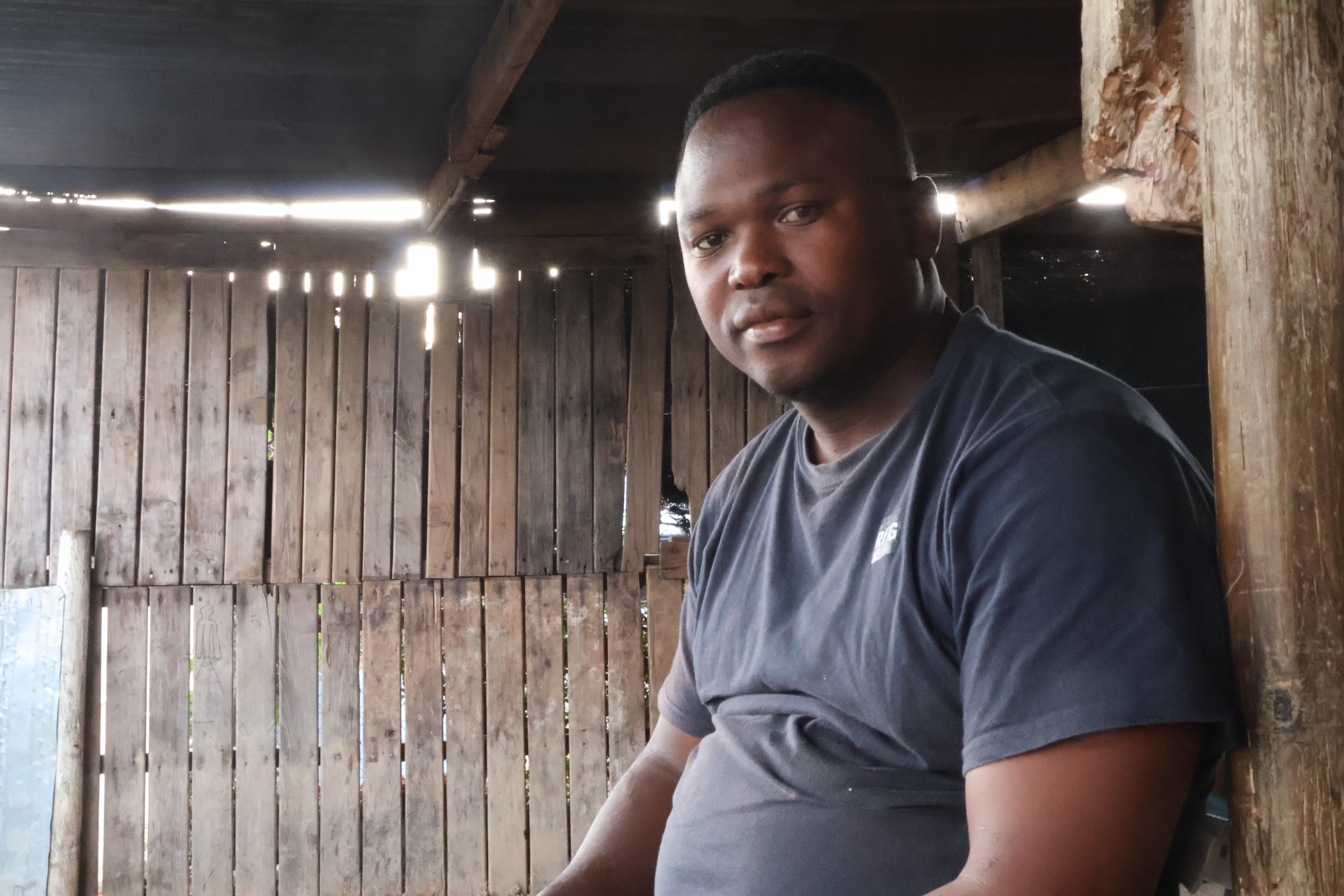
Siya Ndzongana, his wife and his brothers all work at the factory, as did his father.
Siya Ndzongana, a shop steward at the Agricultural Food and Allied Democratic Workers’ Union (AFADWU) has worked at the factory since 2010. His wife works there; his older brothers worked there, and before them his father worked there. As a schoolboy living in the Eastern Cape, Ndzongana would travel to Tulbagh during the school holidays to work during the main fruit season, which runs from November to April or May.
“In the middle of November we would finish exams and come for holidays to work in the factory. That place has a history for us,” he said.
Ndzongana started as a general worker, then became an operator and driver before being promoted to supervisor. He was employed on fixed-term rolling contracts, but he has not been called back by management since the season ended in May. And his brother, whose family lives in the backyard of Ndzongana’s house, has been told he need no longer come to work.
Ndzongana has turned the front of his RDP house into a car wash to supplement his income. But he says business has slowed because customers no longer have money to spend.
“At the moment I found some construction work, but it’s only been for a few weeks,” he said.
“The whole town has connections with that factory,” says Dinene Coetzee, whose mother and sister were seasonal workers at the factory. Many of the parents of children at the aftercare where she works are employed there.
For generations, the plant has also provided young people with an entry point to the labour market.
“When the matrics finish, they get the first option to get their first job as a seasonal worker,” Coetzee said. “Where will they go now?”
Alfonso Scheepers has worked at the factory for 12 years on fixed-term contracts. Although he works for most of the year, he signs a succession of short contracts — one for the main fruit season and others for work, such as labelling, during the off-season.
“I am not permanent but I work throughout the year. They call it an onlopende contract.”
He currently works as a forklift driver in the labelling department, which workers say is one of only two parts of the factory still operating. The other is the warehouse.
Many fixed-term workers have not had their contracts renewed. Others have been told that their contracts will expire in the coming months. Scheepers expects his current contract to continue until January while labelling is completed, but he doesn’t know what will be offered in terms of retrenchment.
“When I finish at the factory I will have to rely on my UIF, but that will run out soon. Then I will have to find a new job, but there are none.”
Scheepers and his wife both work at the factory. Together they support a household of six. They have been able to manage this by working different 12-hour shifts in the factory, where production runs around the clock.
“We don’t know where we stand,” he said.
The lowest paid workers at the plant earn about R45 an hour, compared with the R30 minimum wage for farm workers.
Alungile Ntulo moved to Tulbagh from the Eastern Cape three years ago. She lives in an informal settlement near the town and has worked at the factory for the past three seasons, peeling fruit and removing stones.
“I need the work at the factory in the season, because it pays more than any other farms and because it lasts for more months,” she said.
Waiting outside the factory gates to process her UIF paperwork, she was unsure what to do.
“I can’t go back to the Eastern Cape,” Ntulo said. “I will have to stay in Tulbagh and look for other jobs.”
There is some work available on nearby berry farms, she said, but “the money there is not good and the season is short. And there are many people looking for those jobs. It is not easy.”
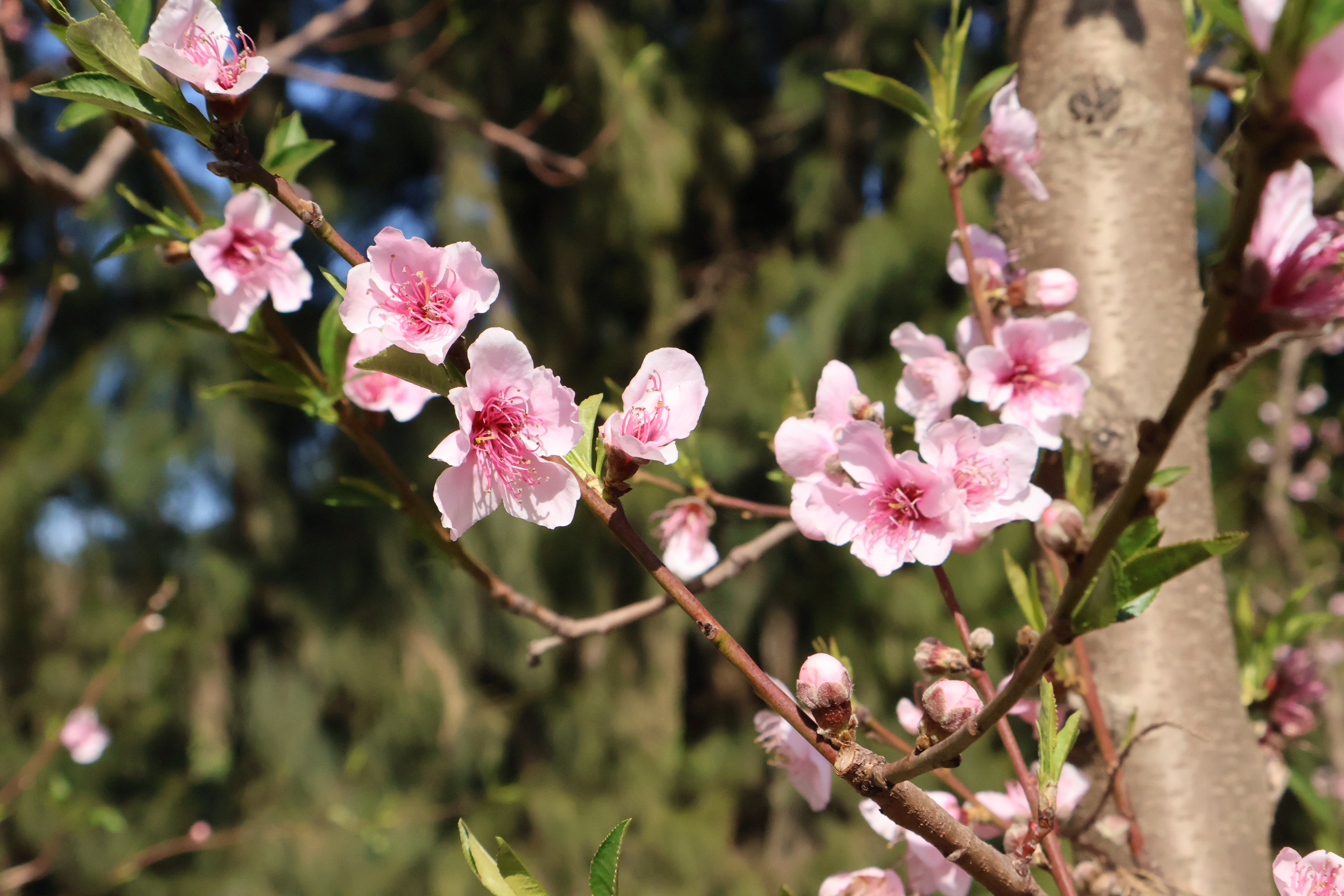
The peach trees are in blossom but the future of the harvest is uncertain.
The factory’s seasonal cycle has shaped the economic life of Tulbagh.
This year, though, guava processing, which usually takes place in the off season, is not happening, nor is the factory being prepared for the next harvest in the usual way. Normally, workers service machinery during the winter months.
Ndzongana said Premier has a new approach: “The company says you only fix what is broken,” he said.
“Now they are just packing the old stock and selling everything. You can go to the factory shop and see, they are selling the tins at half price.”
“The entire Tulbagh is going to suffer, not only the employees, the farm owners and farm workers too.”
“The businesses are going to go down — the taxis, Spar, Shoprite, Pep, the garage. They wait for us workers,” he said.
Taxis that would normally transport workers are already sitting idle and shops are quieter, according to Ndzongana.
“When the workers get their money they get transported straight to the shops,” said Coetzee. The effects of the closure are already being felt, she said. “People are not coping and are unable to buy basics.”
At the aftercare, which she runs with a friend, she sees parents struggling. “People are coming to me asking for food, electricity, and stuff like that.”
She refers them to one of the 15 soup kitchens in the area run by members of the community. They are already under pressure. Coetzee fears things will get worse at the start of the next season, when the factory would normally start hiring.
“Rent even for a shack is about R500 to R1,000 per month,” she said. “And electricity is only getting more expensive.”
“This is a good community,” said Ndzongana. “There are issues, like anywhere. But we know each other, from the top of the hill to the bottom, there is respect.”
“If people are not working all of that can change,” he said.
“People are very worried and stressed,” said Coetzee. “Bills need to be paid and people need to eat.”
“And then the crime, drugs and drinking will only get worse. Because when there is nothing in the house, what are you supposed to do? And then that stress will also lead to more … violence in the house.”
Charl Herbst, chair of the Canning Fruit Producers’ Association negotiations committee, farms about 15 minutes from the town. All the fruit he produces for canning goes to the Tulbagh factory. The farm has recently invested in pears and peaches for canning.
An orchard, he says, lasts between 25 and 30 years. “Now, we are faced with difficult decisions about whether to pull up that orchard, which also decreases the property value of the farm and affects our margins,” he said.
“The main thing we are asking for is time.”
The factory processes fruit from about 2,000 hectares. He estimates that each hectare requires one permanent farm worker to take care of it.
“So if the factory closes, we estimate that at least 2,000 permanent workers will lose their jobs. And many of those workers also live on the farms.”
Herbst said producers were told by Premier in March that it would be business as usual following the takeover.
Premier has since met producers and promised to pay them for next year’s harvest, he said. But this “is a short-term fix to a long-term problem”.
Diverting fruit for canning towards the fresh produce market could flood that market, on which the same producers rely.
Producers are also experiencing the same market pressures Premier has cited, including tariffs, declining consumer markets, and a weak rand.
Herbst said producers have two-year rolling contracts with Premier, meaning either party is required to give two-years’ notice, unless there is force majeure or a party exits the industry, which it appears Premier is trying to do.
“Premier needs to take responsibility. To all of the stakeholders, not only to their shareholders,” he said. “This is a value chain that was built over many decades. It is being destroyed in months.”
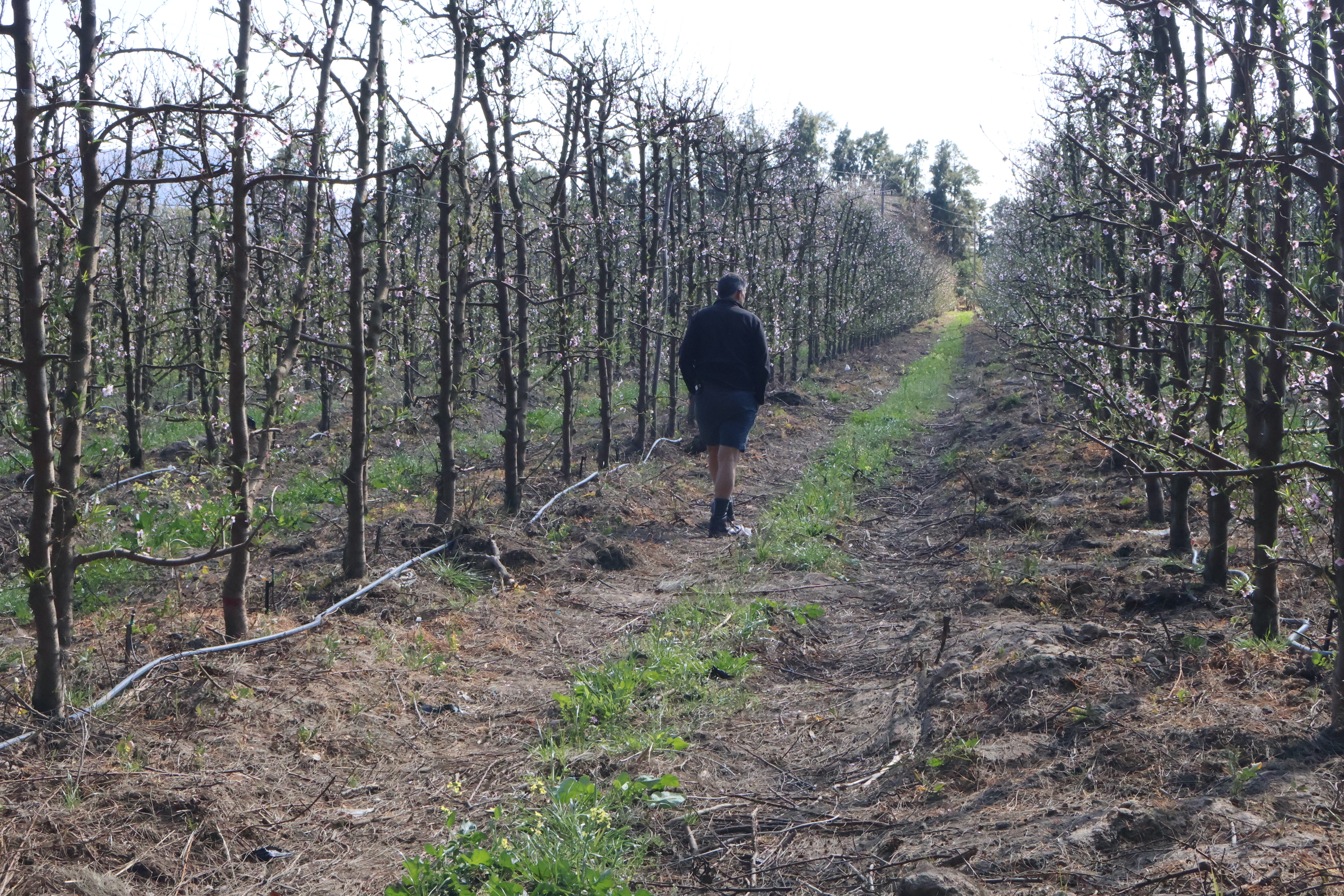
“The main thing we are asking for is time,” says farmer Charl Herbst.
According to a former factory manager, who did not want his name used, at its peak, the factory processed up to 78,000 tonnes of fruit. But the market has shrunk, under pressure from changing household preferences as well as pressure from tariffs and a strong rand. By last year, processing volume had fallen to 42,000 tonnes, he said.
Nyaniso Gqalaqha, AFADWU’s Western Cape provincial secretary, said the union wanted to know how the company had taken its decision before even operating the factory for one season. AFADWU says it has 115 members at the factory who are permanent and over 800 who are seasonal workers.
“How did they assess that the company is making profit or not, when they haven’t even worked a full season?”
“It seems like the company will get better returns from selling the equipment and stripping the factory,” he said. “Is it not a contradiction that they are complaining that they are not making money, but they are selling everything at half price?”
He said the union was also seeking answers from the Competition Commission, which approved Premier’s purchase of Rhodes Food Group.
The union has not yet reached the stage of auditing the company’s books and says it has so far only heard Premier’s explanation for the proposed closure. The next part of the retrenchment process is expected to deal with alternatives.
“Whatever they can come up with to rescue the business, we will accept in the benefit of our members and the community,” Gqalaqha said. “Closing the factory and selling the equipment is not an option.”
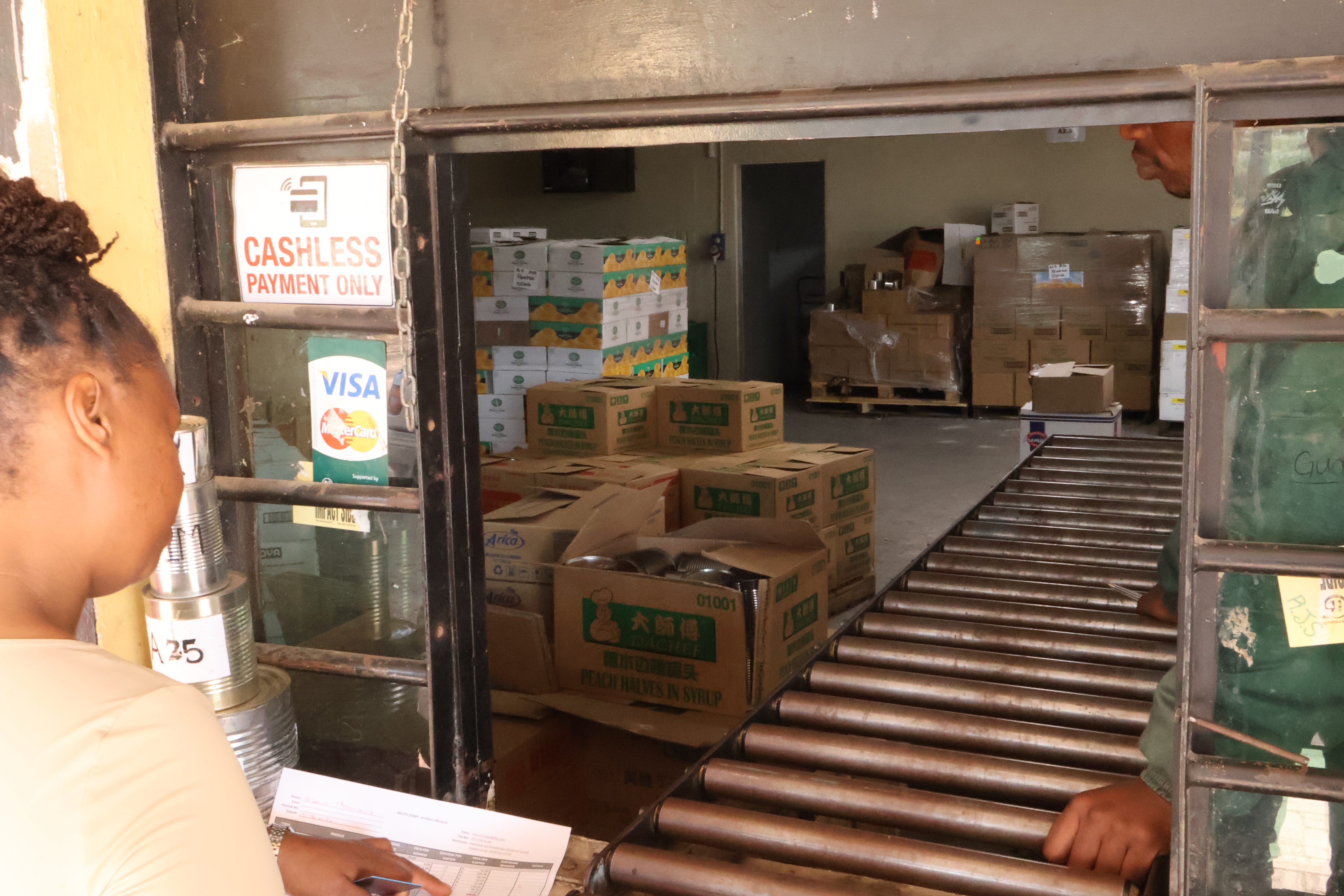
Workers say produce at the factory shop is being sold off at half price.
Workers and producers see the Langeberg Foods factory in Ashton as an example of a possible ownership model. It is owned by a grower-led consortium, with the Ashton Fruit Producers Agricultural Co-operative (AFPAC) holding 40%, Norfund 40%, management 10% and the Langeberg Community Trust 10%, according to Anthony Dicey, chair of AFPAC and Langeberg Foods.
But Dicey said Langeberg cannot simply absorb the Tulbagh operation at short notice. Setting up the consortium took years, he said, and Langeberg is only in the first year of a three-year consolidation phase.
Gqalaqha said the union expected the Section 189 process to take about two months, and this was not enough to find a solution.
“We want at least a 12-month engagement,” he said. “We think that will be fair to everyone, including the business itself. It will give time to allow a potential buyer to come in.”
Invited to comment, Premier said: “Given that consultations with affected employees and recognised representatives are ongoing, our priority is to respect the integrity of that process and the people participating in it.
“At this stage, we believe it would be inappropriate to comment beyond the statement already provided. We remain committed to conducting the process with care, transparency and respect, and will communicate further where appropriate as the consultation process progresses.”
The union is planning a picket outside the factory on 26 August. The organisers also hope producers will participate.
“We want to negotiate nicely,” Gqalaqha said. “It will be a peaceful picket outside of the factory. Not a strike.”
“The people from Premier can sit there in Johannesburg and make these decisions; they don’t care about what will happen to Tulbagh,” said Ndzongana. “They don’t even know this community.”
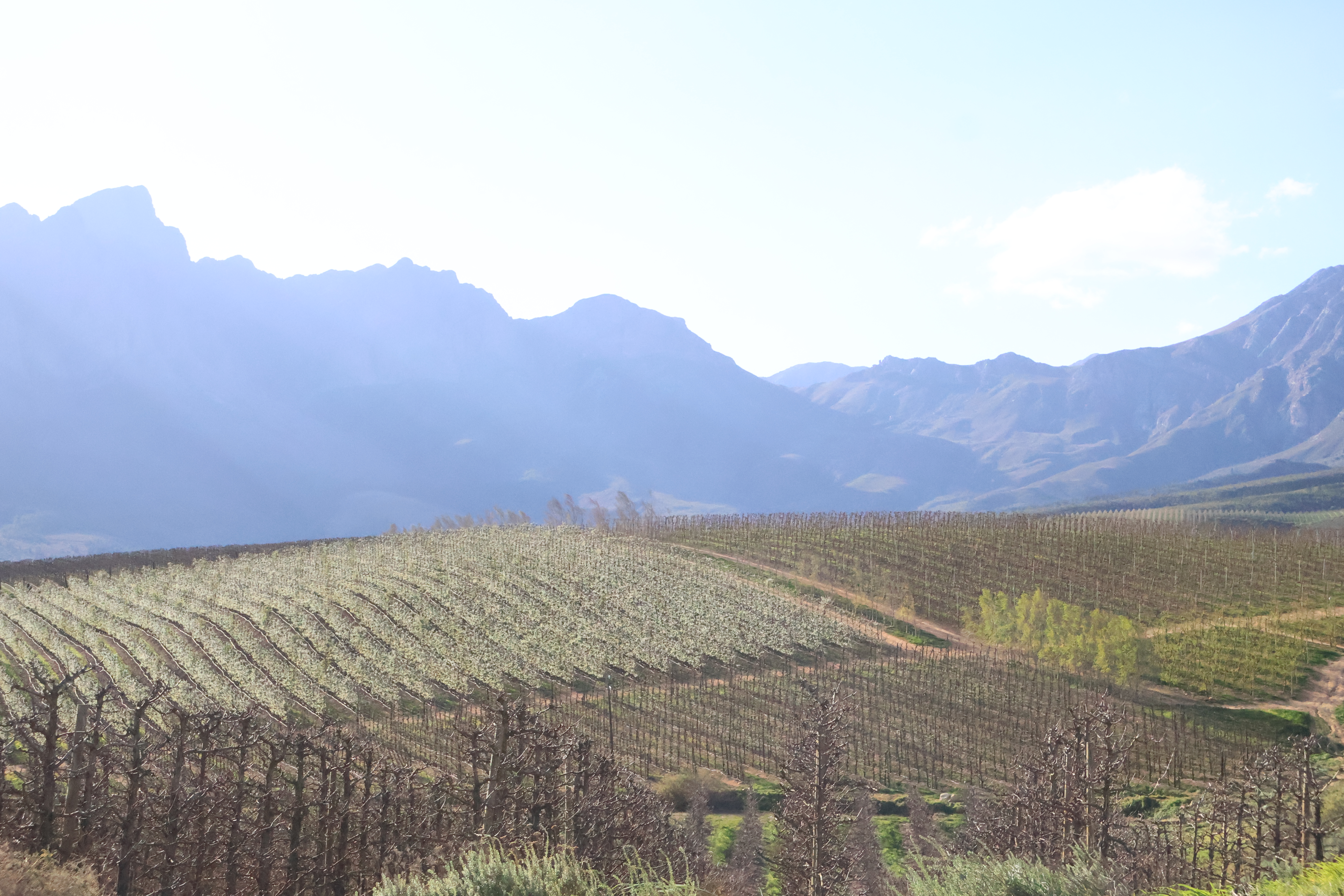
Orchards stretch to the blue mountains of the Boland in the distance.
