20 October 2026
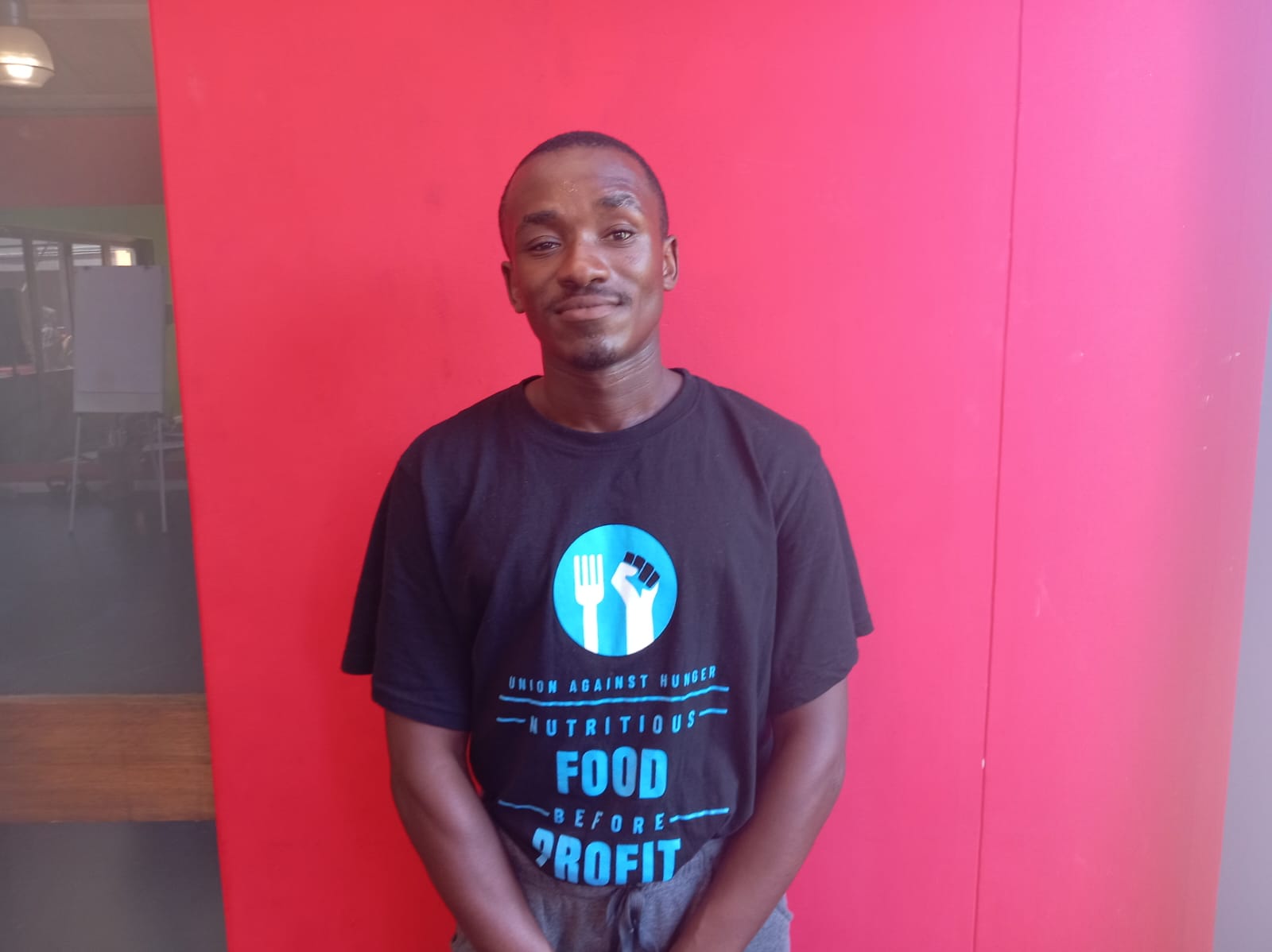
Ayakha Masiza is one of over a dozen young people in Masiphumelele working in vegetable gardens to mitigate food insecurity in his community as part of the Masiphumelele Creative Hub. Photos: Abonge Chiya
Twenty-four-year-old Ayakha Masiza is one of over a dozen young people in Masiphumelele taking on challenges around food insecurity and unemployment in their community.
He is part of the Masiphumelele Creative Hub which supports several initiatives, including the training of 22 “garden champions” who grow and harvest vegetables to supply feeding scheme kitchens and families in need.
The hub was founded by Yandiswa Mazwana in 2017. During the covid lockdown in 2020 the hub started soup kitchens for young children in Masiphumelele. The project has grown since then to include vegetable gardens at local schools and in people’s yards.
Through growing and supplying healthy food, as well as providing sport, art and after-school classes, the hub aims to show Masiphumelele youth different ways to combat challenges such as food insecurity.
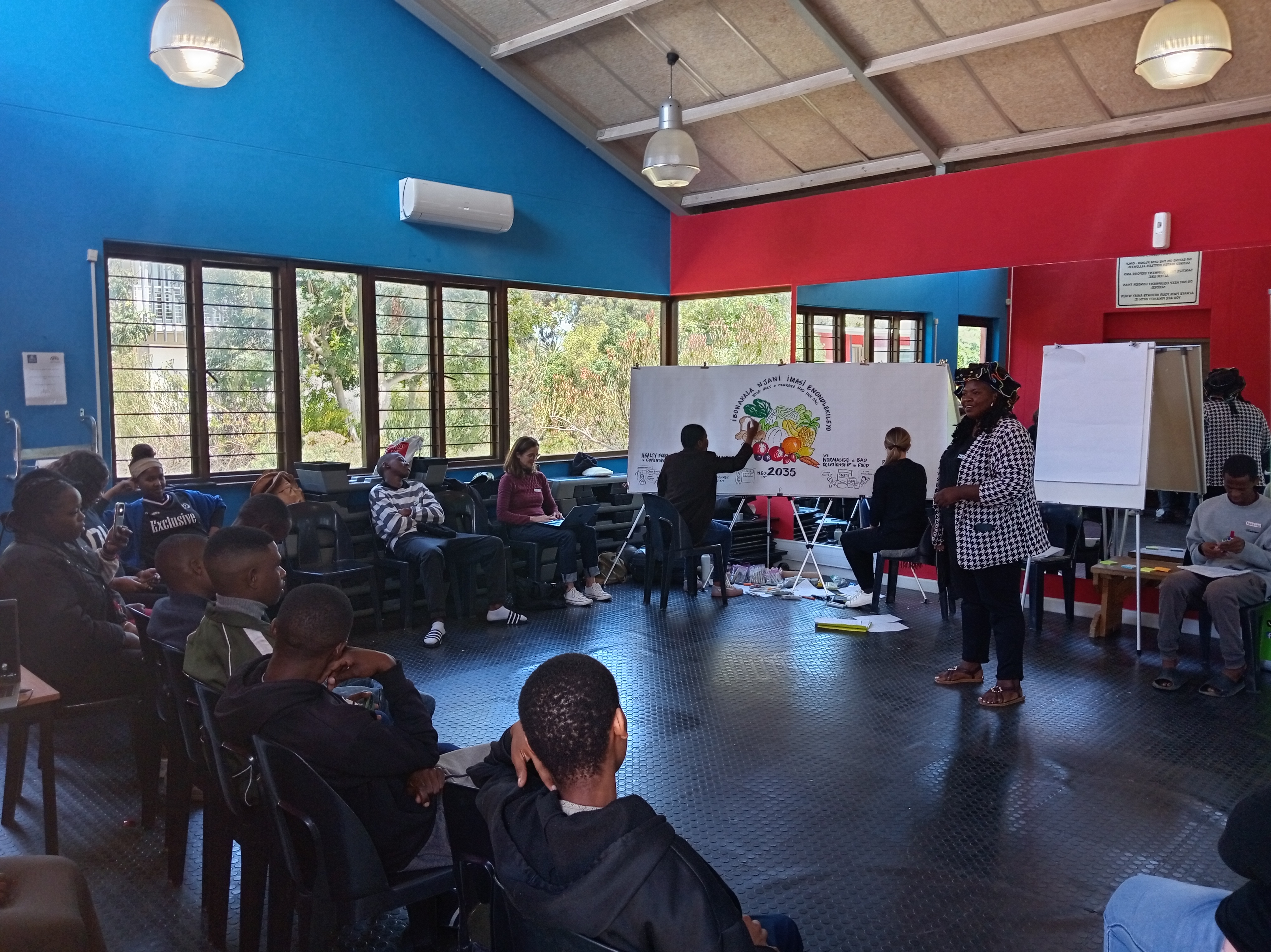
Young people in Masiphumelele attend a discussion about food security in their community.
The hub and the Southern Africa Food Lab held a discussion on Thursday on food security at the Desmond Tutu Foundation’s health park in Sunnydale.
Masiza said he has been looking for a job for a year to no avail. He said the hub’s youth and garden programme supports him through soup kitchens, garden training, and job readiness programmes.
Hub member Lwando Shaun Siboninge said they have established 159 home gardens in Masiphumelele and provide workshops on maintaining them, with support from other organisations which supply compost and seeds.
“Every school has a food garden, planted and maintained by the students as part of the life skills curriculum. School food schemes are managed by gogos who are provided with 50% of the food from our vegetable gardens.”
Siboninge said the organisation works closely with the local clinic and also distributes FoodForward SA food parcels to TB patients.
Unemployed young people at the event said more nutritious foods are often unaffordable.
Anathi Gongotha receives a stipend working as a volunteer mentoring learners at Ukhanyo Primary School. The money she earns helps cover her basic needs, she said. She said the community library offers internet access, free computer skills training and provides information about job opportunities.
Yandiswa Mazwana, director of Masiphumelele Creative Hub, said they are working with many organisations including the Southern Africa Food Lab to address hunger and support community initiatives.
Youngsters attending the event said they would like to see all illegal dumping sites in the township turned into healthy green corridors and food gardens by 2035.
“The Masi Food Lab is alive and flourishing. Gogos are trained there. It is not only about cooking but also about gardens and creating job opportunities, so that there is no space in your life and mind for alcohol and drugs,” said Mazwana.
She said the hub has also partnered with Urban Harvest to train garden champions and establish school gardens. The aim is to help learners understand nutrition and how to combine garden produce into healthy meals.
Ward 69 councillor Patricia Francke said that organisations like Masicorp, Living Hope as well as Tina Thiat also provide skills training in the community.
Francke said the City encourages young people to register on the public works database and regularly update their personal details. “The City of Cape Town is supporting various stakeholders, NGOs, and soup kitchens that provide meals, clothing and sanitary care packs throughout the year.”
The latest initiative, Swop Shop, hosted by the urban waste management unit, allows Masi residents to exchange their waste items for food items to reduce illegal dumping in the area, said Francke.