7 July 2026
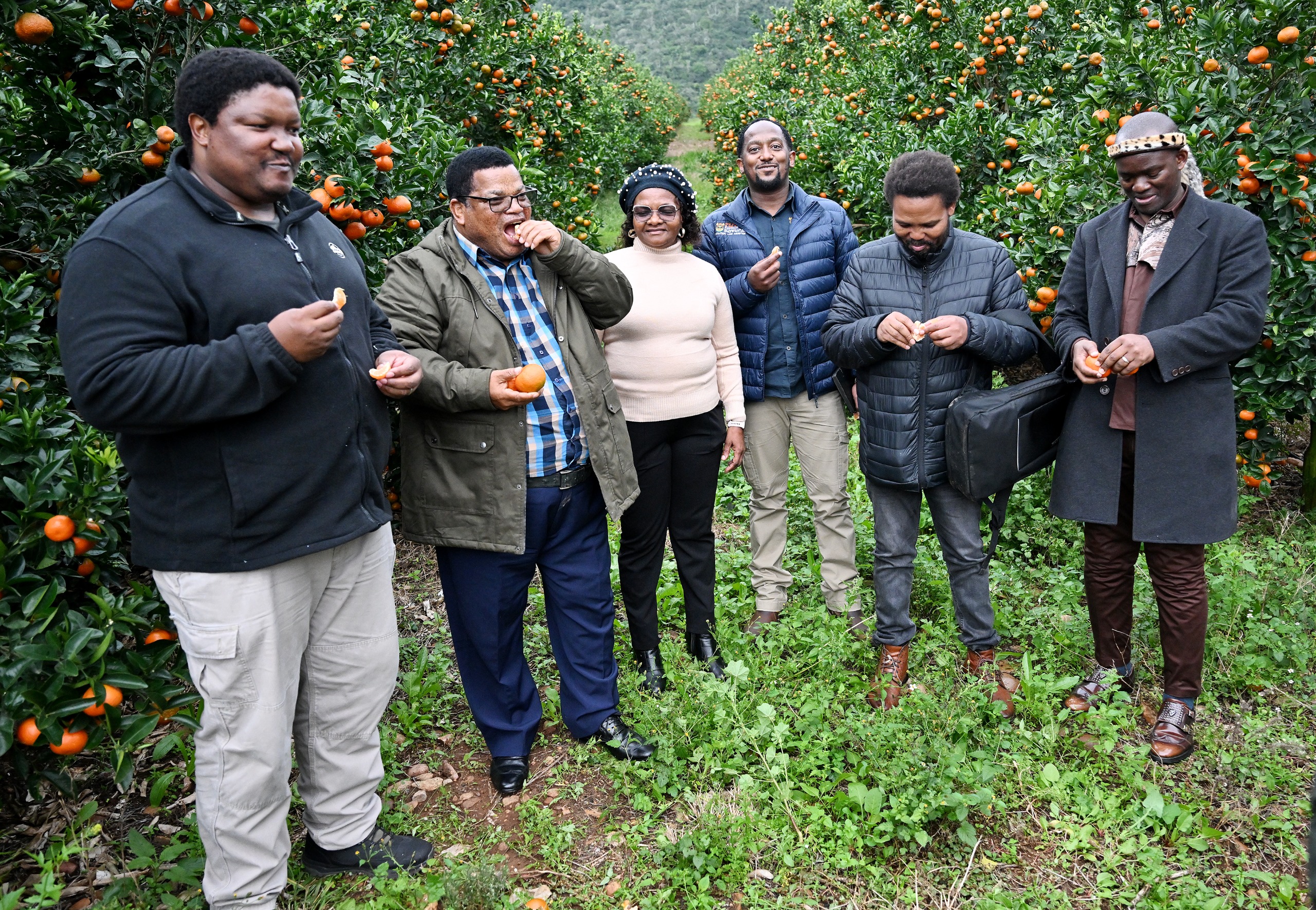
Members of Parliament’s Land Reform and Rural Development Committee visited beneficiaries of Luthando citrus farm in Kirkwood, Eastern Cape, as part of oversight hearings into alleged failures of farm worker equity share schemes. Photo: supplied.
Members of various farm worker equity share schemes have complained that they are drowning in debt. This emerged during recent hearings hosted by Parliament’s Portfolio Committee on Land Reform and Rural Development and visits by MPs to Kirkwood and Hankey in the Eastern Cape last week.
MPs heard from trustees of various failing schemes. Issues they raised included a lack of empowerment of beneficiaries, a lack of tenure security, nd poor working relationships between managers and trustees.
The farm worker equity schemes were set up by the government in the 1990s with the intention of improving the lives of farm workers by giving them shares in farms they were working on and dividend income.
A total of 89 equity schemes were implemented across the country, with the majority in the Cape provinces: 61% in the Western Cape and 24% in the Eastern Cape. Several challenges in implementing the schemes emerged between 2005 and 2008, prompting the department to enlist Zalo Capital to conduct a review.
Following growing frustration with government’s inaction after damning findings by Zalo, in 2025, a coalition of civic organisations led by Corruption Watch submitted a petition to the Speaker of Parliament.
The petition stated that despite public investment of over R700-million to promote transformation through worker equity ownership in commercial farming enterprises, most of these schemes had failed to deliver.
Part of the petition reads: “We write to you with urgency and concern regarding the long-standing failures of farm worker equity schemes … Farm worker equity schemes involve the state providing conditional grants to groups of farm workers to enable them to purchase equity in the farms or agribusinesses in which they were employed. These schemes have instead left a legacy of exclusion, impoverishment and a lack of institutional accountability.”
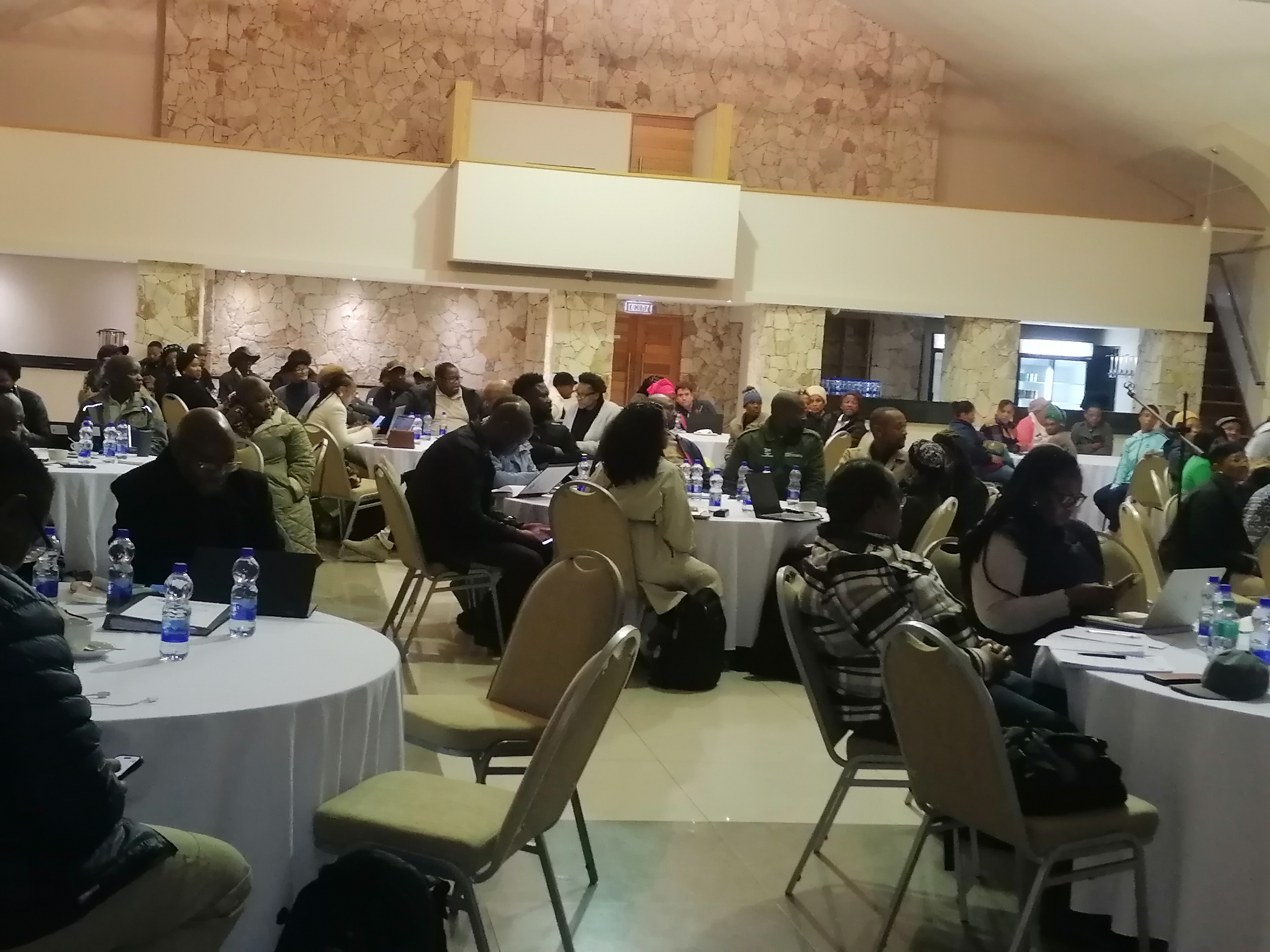
Beneficiaries and others gathered for public hearings into farm equity share schemes hosted by the parliamentary committee in Kirkwood. Photo: Joseph Chirume
Nokwanele Mzamo of Luthando citrus farm, said the government bought Luthando Farm near Kirkwood in 2003 to benefit 70 beneficiaries.
While the workers own 75% of the farm and the farmer 25%, the beneficiaries told MPs they had very little input and no access to information about how the farm was being run.
“We were only workers with no access to the books, the day-to-day running of the farm, the marketing of the fruit or profit sharing. We only tilled the land,” Mzamo said.
“After the five-year agreement lapsed, [the farmer] told us he was leaving because he had bought other farms,” said Mzamo.
Without the relevant farming knowledge and business training, the beneficiaries encountered many challenges, she said.
“We were sceptical about running it ourselves. We requested that he bring in another manager, and he brought in the Sundays River Citrus Company [SRCC].”
This partnership worked for five years, but things deteriorated during the second five-year term.
“All those years we received dividends, albeit small,” said Mzamo. “We even saved money hoping to buy the 25% share held by SRCC when the time came.”
But, then, “no dividends came, yet there was massive production in the fields, and we exported large quantities of fruit. We were told the company did not have money to pay us our dividends anymore.”
Mzamo said the company eventually suggested they sell the farm for R27-million.
Mzamo said they took the difficult decision not to sell but they do not have the money to buy out SRCC, who “are adamant that they want payment of their 25% share”.
Mzamo and the other beneficiaries are now running the farm and selling the fruit locally, but they are drowning in debt and aren’t sure how much longer they can continue, she said.
Koko Vena, a trustee of Elundini Fruit Farm, said their main challenge is a lack of transparency on the part of the commercial partner. “They used to teach us how the trust works. They would take us for meetings about how money was being used and inform us about the dates they would pay our dividends. But for the past three years they just pay dividends when they want. There’s no longer accountability.”
Another beneficiary, Simphiwe Dada of the Khanyisa Education and Development Trust, added that while the citrus industry in the Eastern Cape is growing exponentially, “this growth has not translated into dividends or improved workers’ lives”.
Dada pleaded with the committee and department to fulfill its oversight mandate and implement the recommendations of the 2013 Zalo Capital report.
Despite the shocking findings in the Zalo report, no action has been taken to date.
He said they also called for a comprehensive forensic audit of all farm worker equity schemes to determine whether there is evidence of financial mismanagement, exclusionary practices, or misuse of public funds.
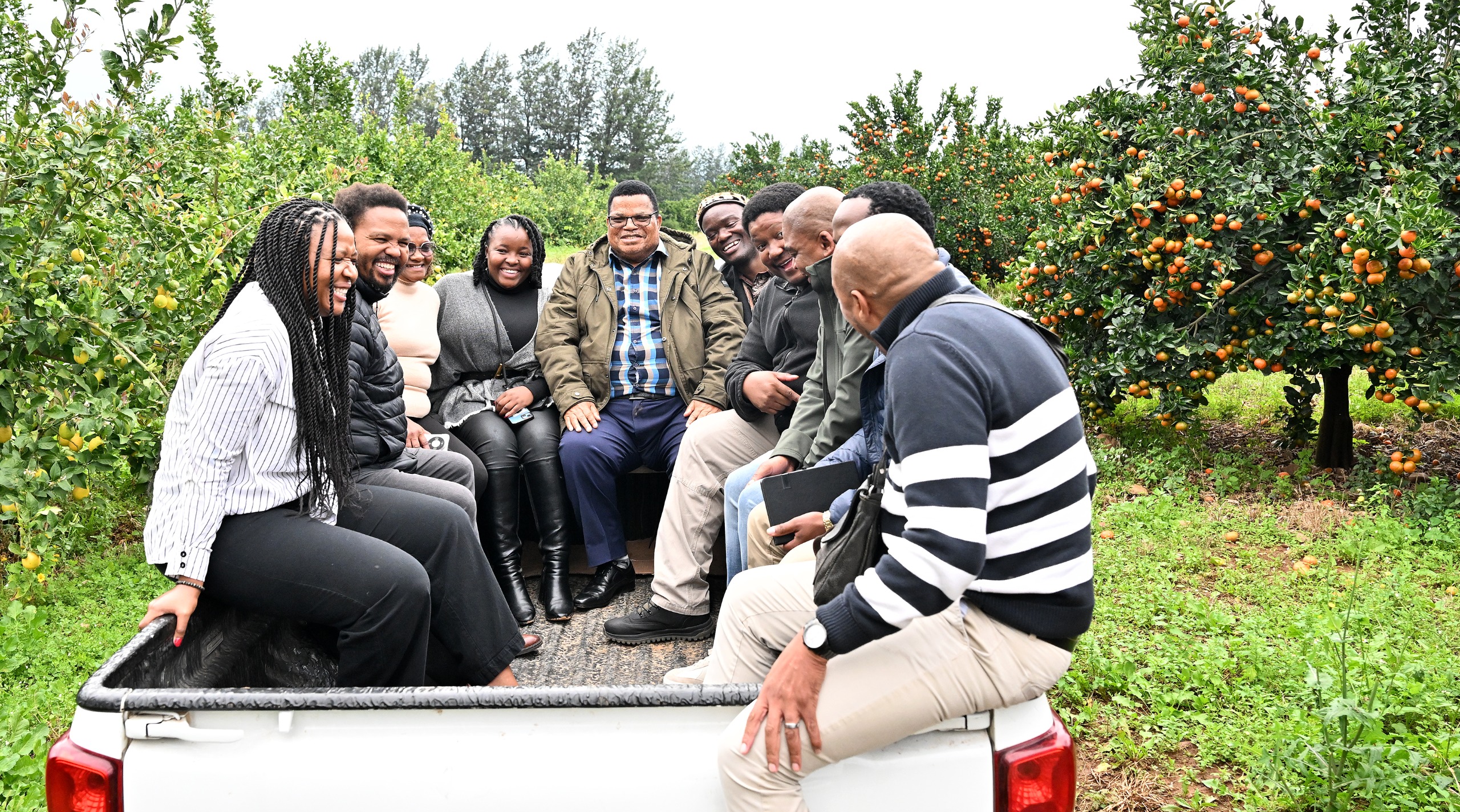
MPs were taken to one of the farms currently battling to stay afloat after a breakdown in the scheme. Photo: supplied.
Phakamisa Mgedezi, director of agrarian reform in the Eastern Cape Department of Land Reform and Rural Development, told the parliamentary committee: “The unfortunate part was that the farm workers were not landowners but shareholders in the business. Land ownership remained in the hands of the commercial partners.”
Mlindi Nhanha (DA) questioned Mgedezi on whether beneficiaries had been misled to believe that they would own the farm land. “Did the department lie or did it not explain the deal?”
“Beneficiaries in Kirkwood have no capacity or skills to manage these schemes; that is why they are being manipulated by the other parties.”
Andile Mngxitama (MK Party) suggested that all schemes with issues should be frozen until the issues are resolved.
“These farm equity schemes have not changed the conditions of farm workers. Our people are still farm workers, as they were before.”
“I have no confidence that there will be investigations. How long have investigations been going on with no results? These schemes are now 30 years old.”
In a statement after the oversight visits, the committee expressed regret that the commercial equity partners had not attended. It said the commercial partners, the minister, the director-general and others, would be invited to appear before Parliament to account for the issues raised during their oversight process.
The committee proposed that a commission of inquiry into the exploitation of farm workers’ equity schemes be established.
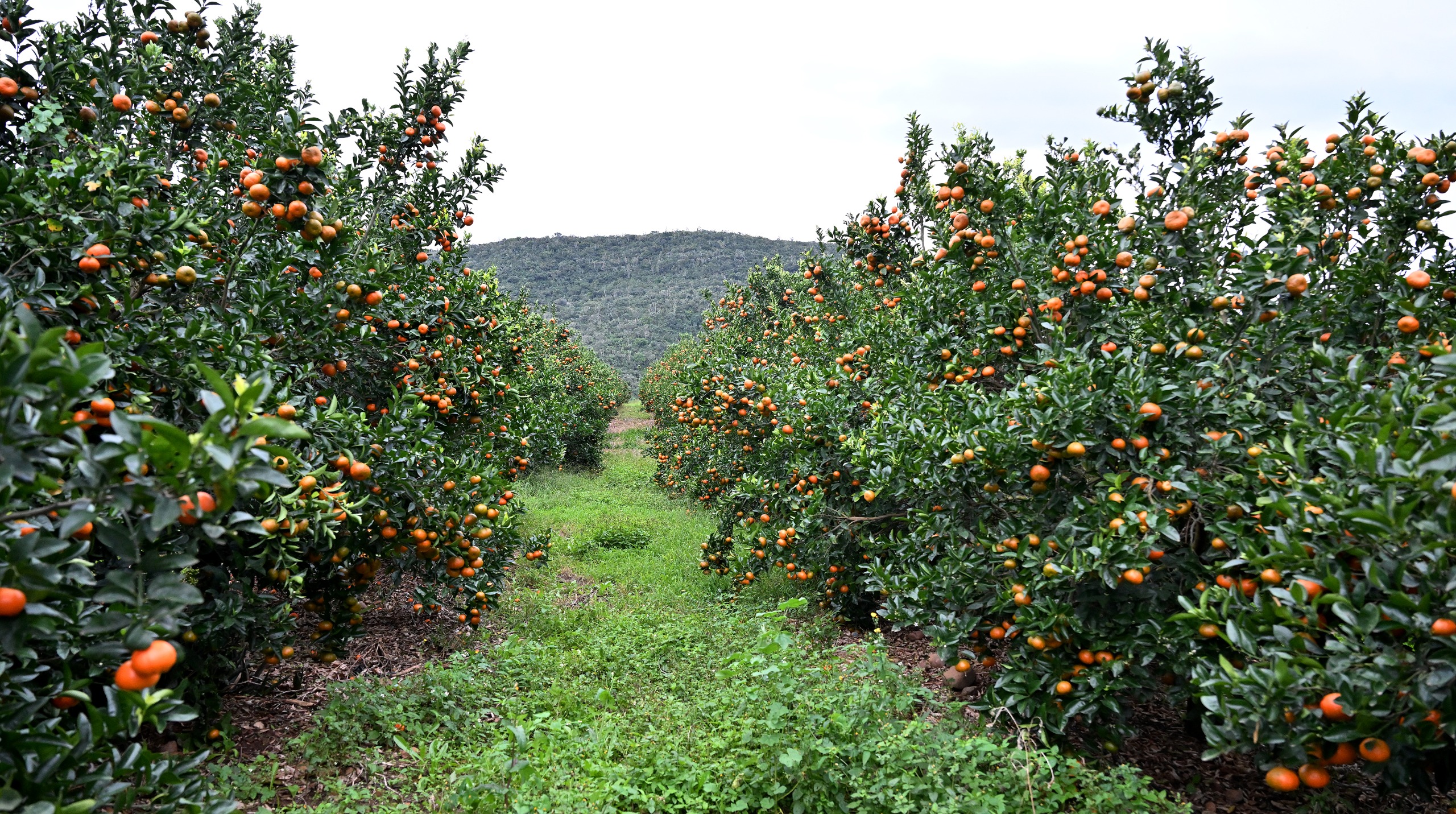
The government purchased Luthando Farm near Kirkwood in 2003. Today the 70 beneficiaries say they are drowning in debt. Photo: supplied
