2 July 2026
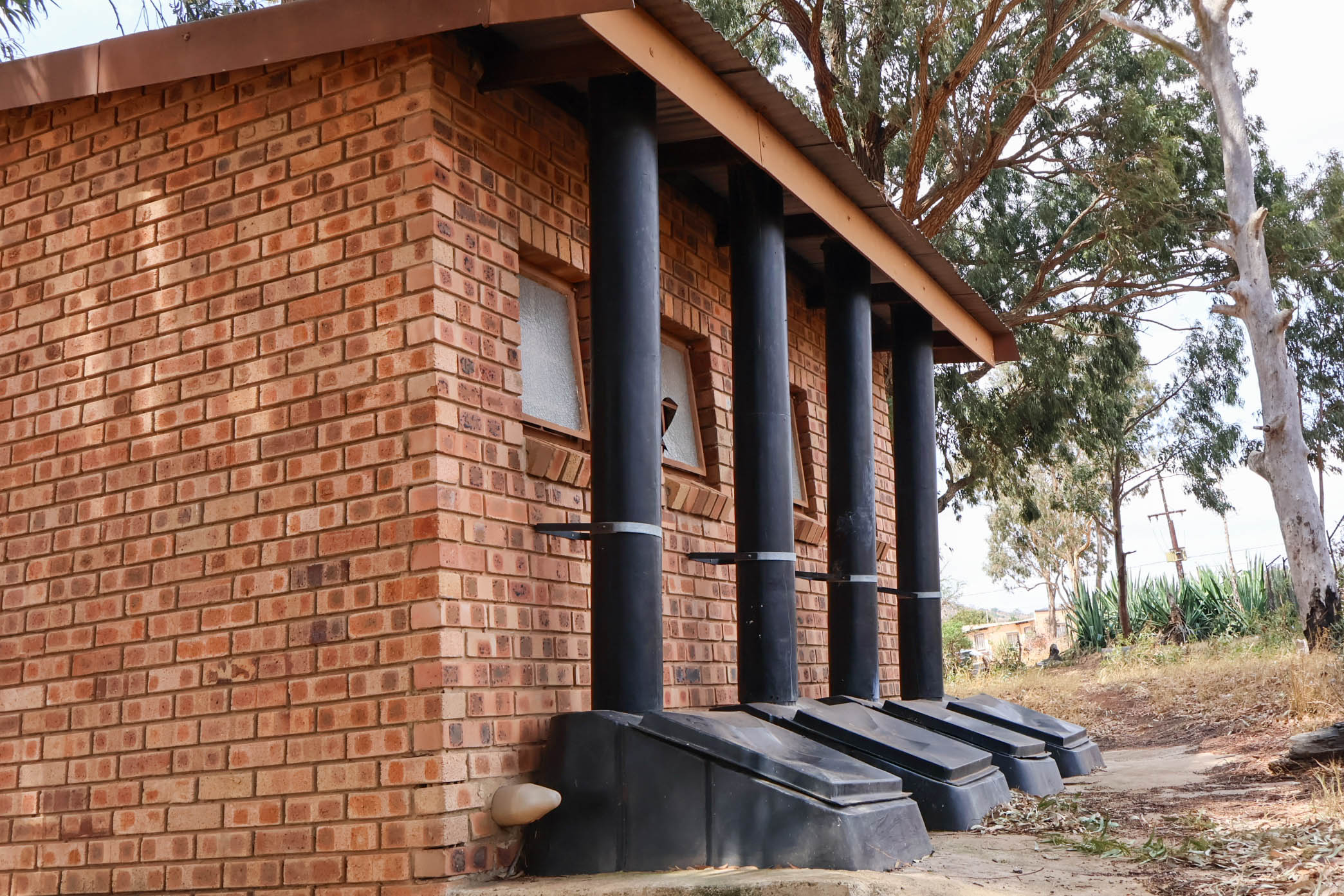
An Enviro-Loo at Morwasethula Primary School in Limpopo in need of maintenance. It is one of 350 schools needing major infrastructure repairs. The Limpopo Department of Education says it is facing massive infrastructure backlogs. Photos: Liezl Human
Thousands of Limpopo learners have no choice but to use unsafe sanitation facilities, including pit toilets and dirty mobile toilets and attend schools without running water at all.
Members of Parliament’s select committee on education visited schools in early February 2026 where they found “appalling” sanitation and infrastructure.
In a presentation to MPs on 23 June, the department outlined its progress since February. However, this led to further criticism by committee members who pointed out “serious gaps” in the report.
“We are not happy,” said committee chairperson Makhi Feni. He said the department had ignored specific recommendations made by the committee.
Following the committee’s visit to the Limpopo schools, it released a report on 24 March, noting at least three schools still used pit latrines. This is despite a court judgment ordering the Limpopo Department of Education (LDoE) and Department of Basic Education to eradicate pit toilets from schools. This followed the death of five-year-old Michael Komape in 2014, which led to years-long litigation.
A GroundUp investigation in October of several schools in Ga-Mashashane, Limpopo, found deteriorating and filthy sanitation facilities, pit toilets and no running water in bathrooms.
The committee had recommended that the toilets at Matatadibeng Primary in Ga-Mashifanebe be closed as they were unsafe.
During their visit to Bodiroa Primary in Polokwane, the committee raised concerns that the school still has pit toilets. They saw mobile toilets in a “poor state”, dirty, and possibly a “health hazard”. They were also not enough toilets for all 283 learners.
In response, the department said the mobile toilets had been cleaned and additional mobile toilets would be delivered to the school by 31 July.
The oversight committee also made findings on other issues, such as “neglected” school infrastructure, collapsed roofs in classrooms, broken windows, overcrowded classrooms, and “unsafe” mobile classrooms.
At Mahlakodishe Secondary, the committee had recommended that ablution facilities be closed due to their “poor state”.
In its presentation to Parliament, the department noted that upgrades to sanitation facilities at Mahlakodishe are set to start on 30 November.
At some schools like Millenium College Combined, which had toilets in a “bad state”, the department said new toilets would be built in September.
The department also reported that they’ve written to the district municipality to supply Con Roux Primary with water. But the committee chairperson challenged the department saying it was late for them to “do a simple thing like, just write a letter”.
MEC for education Mavhungu Lerule-Ramakhanya apologised and committed to revert to the committee on how the department addressed the shortcomings of its report.
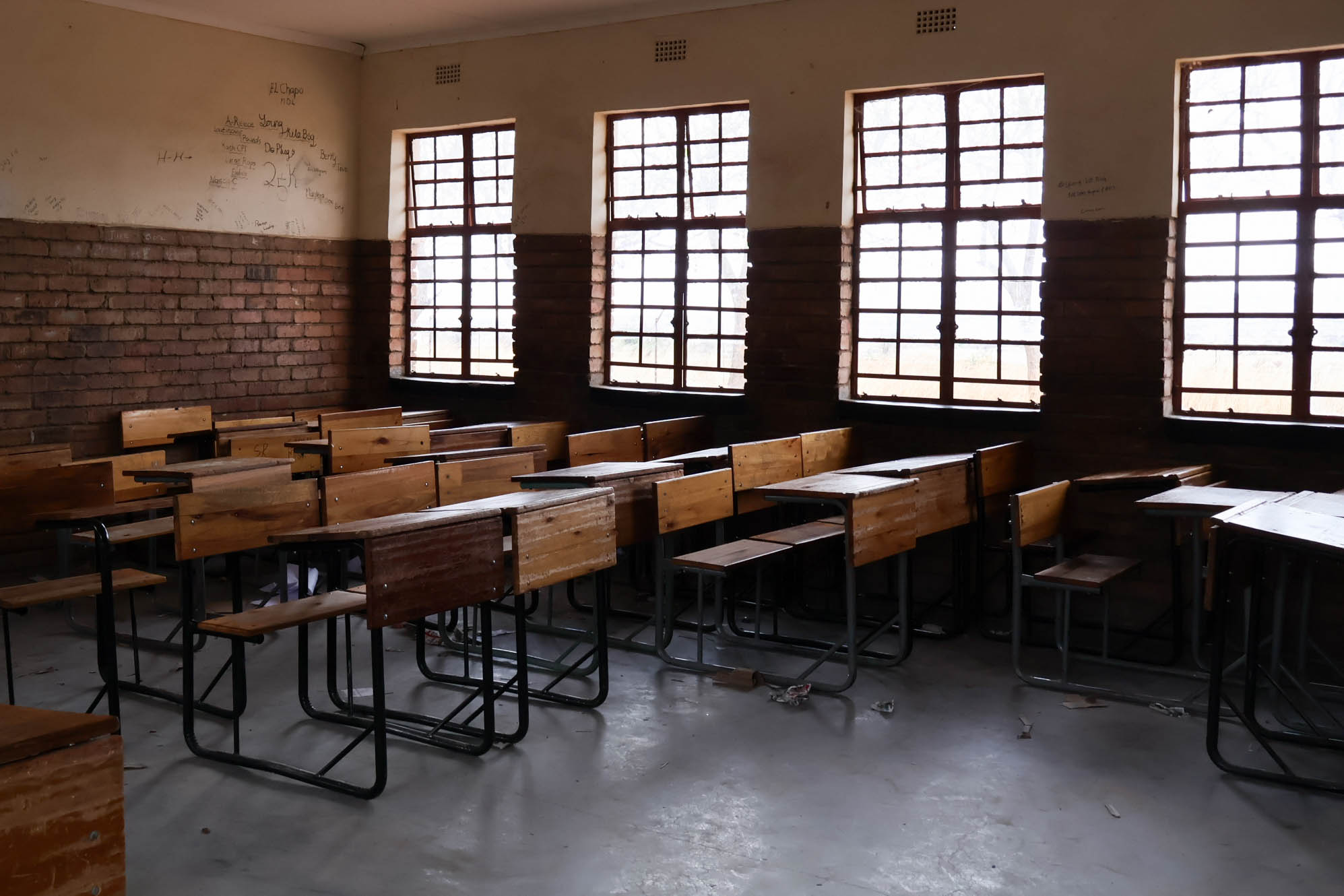
This Limpopo school is one of hundreds of schools in the province in need of additional classrooms.
In February, the department reported a massive infrastructure backlog, which included a shortage of 1,310 classrooms and 2,308 grade-R classrooms. About 150 schools were without water infrastructure, 347 schools needed major repairs, and 7,187 grade-R toilets were outstanding.
The department said it expected to build the non grade-R classrooms by 2031. It would fix the water infrastructure backlog and major repairs by 2028. The grade-R classroom and toilet backlog will take at least ten years to resolve, they said.
The committee said in its report that it expected at least 10% of the grade-R classroom and toilet backlog to be addressed by 31 March 2027.
The committee further said that by February 2027, the department must have cleared 50% of the major infrastructure repairs backlog.
They also said the department should eradicate all unsafe pit toilets by 30 January 2027.
