26 February 2026
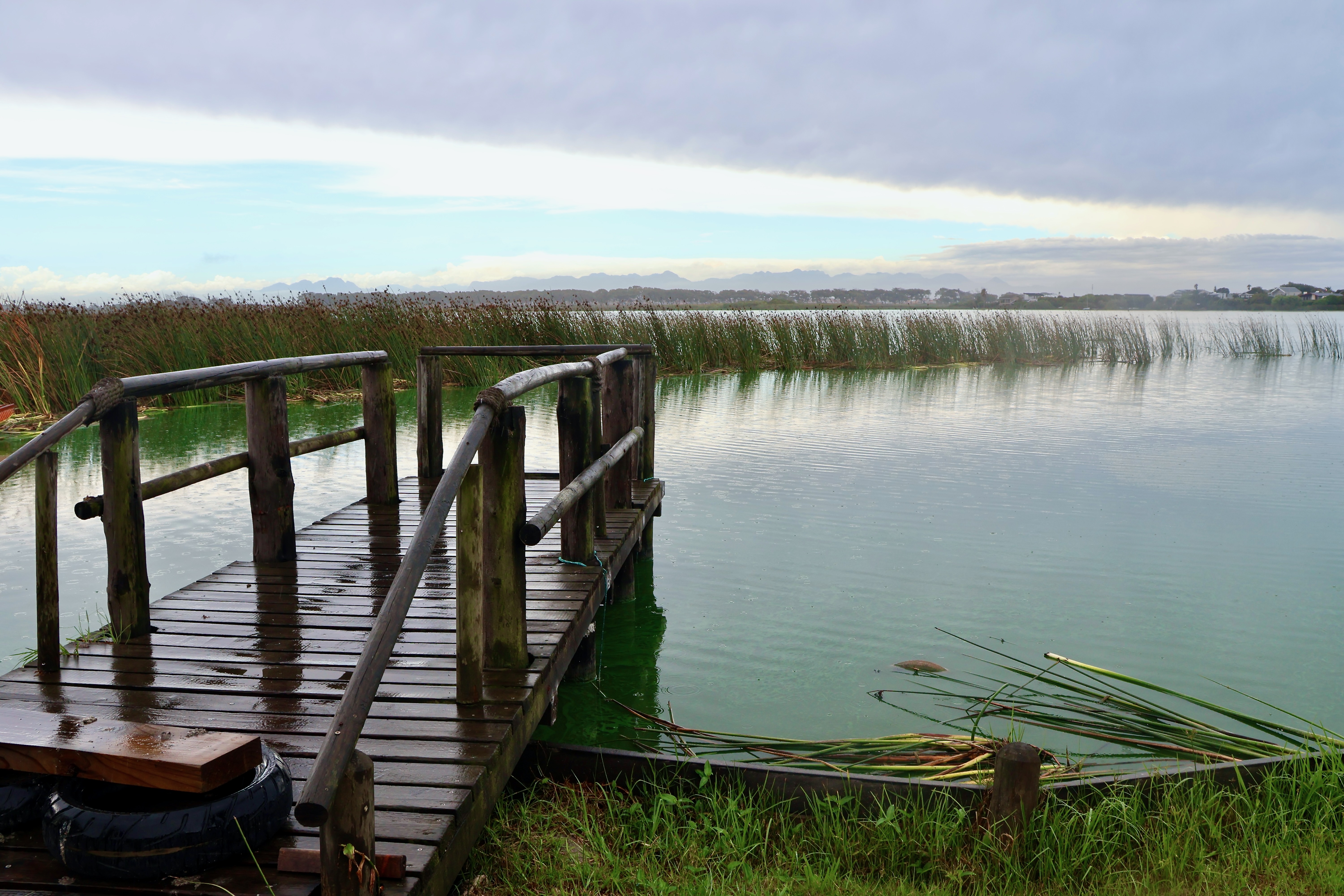
Zeekoevlei has been closed since December. Photos: Matthew Hirsch
Zeekoevlei, which is used by numerous sailing, rowing, and other recreational clubs, has been closed since December due to dangerous levels of toxins caused by algal blooms.
The toxin microcystin is produced by a type of bacteria called cyanobacteria. It is also referred to as blue-green algae although it is not an algae. Rapid growth, or ‘blooms’ of cyanobacteria are caused by excess nutrients in water – mostly due to sewage pollution and from agricultural fertilisers – combined with hot weather. Microcystins have several serious ill-effects on health, including severe liver damage.
Zeekoevlei is a critical part of the City-managed False Bay Nature Reserve, and a listed Ramsar Site, making it a wetland of international importance.
The Ramsar Convention aims to protect wetlands that are “vital for human survival”.
But Zeekoevlei is fed by the Big and Little Lotus rivers, which run through polluted urban areas. The Big Lotus River is the more polluted of the two. It rises just south of the Cape Town International Airport and is canalised for most of its course, flowing through numerous informal settlements and light industrial areas, as well as heavily fertilised farmland in Philippi.
The vlei has been closed several times in the past due to elevated pollution levels, which include faecal bacteria, nitrates and phosphates. In March 2022, GroundUp reported that the prolonged closure of Rietvlei, and Zeekoevlei, along with other water bodies, hit local businesses and prevented the public, particularly children, and members of canoeing and rowing clubs, from engaging in water sports.
In August 2023, we reported that the City of Cape Town suspended recreational fishing at Zeekoevlei because the fish were ”not considered safe for human consumption.”
The Zeekoevlei Yacht Club, in a letter to the mayor, states that the vlei, bordered by Grassy Park, Lavender Hill, and Pelikan Park, is an “economic lifeline” to the yacht club and other sports clubs, as well as the communities surrounding it.
“It is a vital public resource,” states the letter.
The yacht club stated the pollution is due to the City’s “inaction to stem the incoming polluted wastewater through the Little and Big Lotus Rivers”.
“The continued closure of Zeekoevlei in the absence of publicly disclosed evidence, defined timelines, and stakeholder consultation raises serious concerns regarding compliance with these legal duties,” reads the letter.
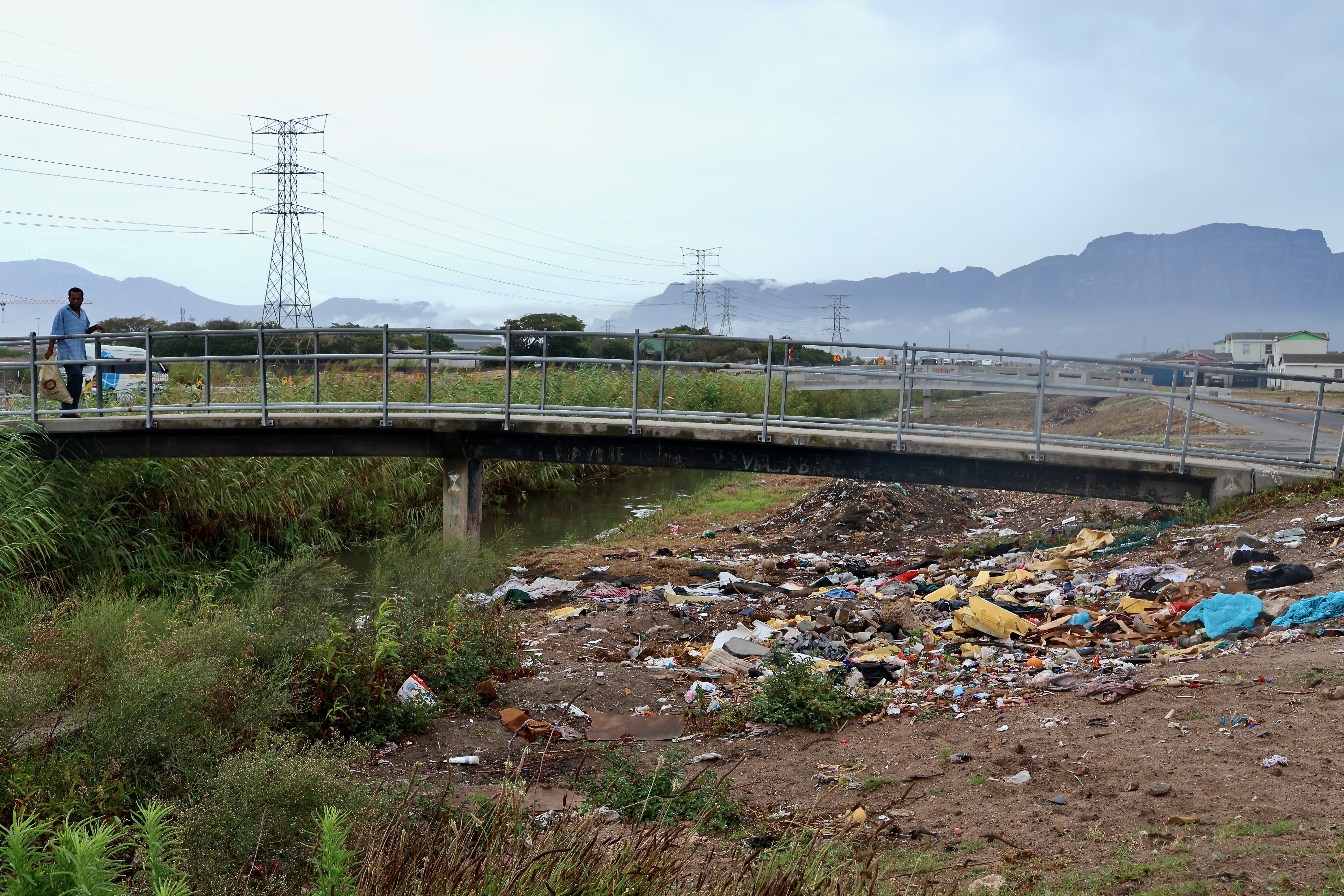
Zeekoevlei is fed by the Big and Little Lotus rivers, which run through polluted urban areas.
The City has been dredging Zeekoevlei since June last year to reduce “organic rich sediment from the Vlei bed,” stated deputy mayor and mayco member for spatial planning and environment Eddie Andrews.
“Improving the water quality at Zeekoevlei is one of our top priorities. The dredging will assist in removing pollutants and improving the overall health of this ecosystem. The intention is to dredge and remove as much of the nutrient rich sediment as possible over a period of two years or so,” said Andrews.
The City’s answers to follow-up questions from GroundUp revealed the dredging budget is more than R125-million.
Andrews added that at least two consecutive toxin readings of less than 20 micrograms per litre were needed before the vlei can be reopened. Currently, readings from 16 February were as high as 276 micrograms per litre.
Yacht club commodore Lara Dugas said the dredging was pointless without stemming the ongoing sources of pollution.
Dugas told GroundUp the situation “was absolutely shocking”, and closure affected at least six schools.
Independent freshwater ecologist Liz Day said the “sustained algal bloom and sustained high levels of toxicity” point to Zeekoevlei’s ecology being in a critical state due to excessive nutrients.
“It’s really an alarm that the system needs urgent attention. There are a lot of livelihoods that depend on being able to use the vlei,” she said.
Friends of Zeekoevlei and Rondevlei chairperson Sidney Jacobs said the vlei and surrounding area were critical for their protected biodiversity, which was being threatened by continued pollution.
Amidst the approximately 256 indigenous plant species in the area, there are two species of erica which are endemic, meaning they are not found anywhere else.
Zeekoevlei and the surrounding nature reserve are also home to 60% of the south-western Cape’s bird species.
The City’s mayco member for water and sanitation, Zahid Badroodien, said Zeekoevlei’s catchment area is “one of the City’s most complex and environmentally sensitive systems”.
Badroodien said pollution was widespread across the catchment and originates from multiple sources. Addressing this, he said, required sustained, coordinated interventions rather than isolated, once-off actions.
Badroodien said the water and sanitation department, along with numerous other departments, was developing an action plan to focus on areas which contributed the most pollution.
He said the work was “complex and will take time”, but “immediate mitigation actions” were ongoing.