28 October 2026
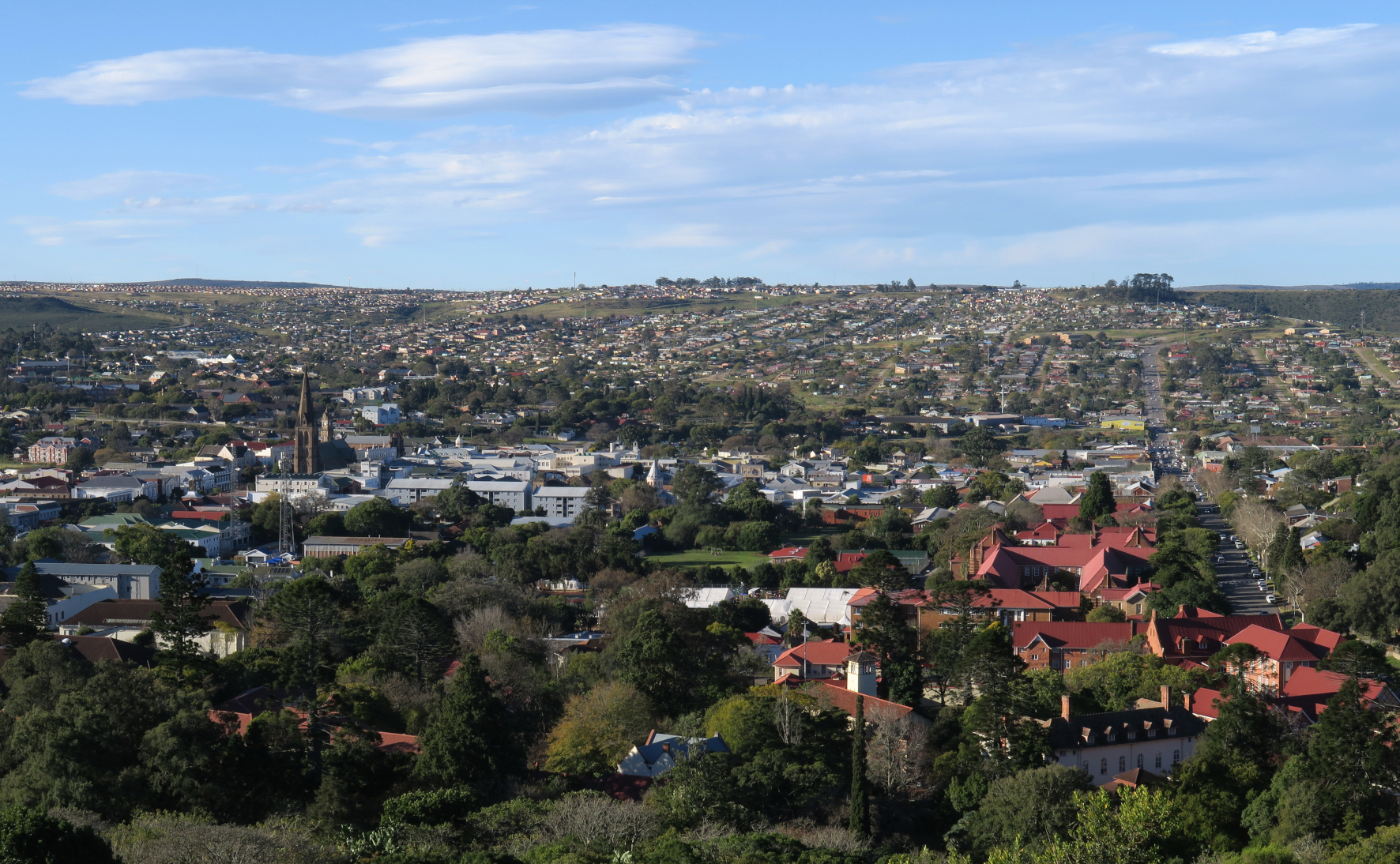
Rhodes University is working with the Department of Water and Sanitation to investigate whether its internal water system is the source of the outbreak. Archive photo: Steve Krentzmann
Rhodes University says it is working with water authorities to probe an outbreak of gastrointestinal illness on campus in Makhanda. This follows reports of over 100 students and staff who were treated for diarrhoea, stomach cramps, and vomiting. Many people reported falling ill after consuming food served at the dining halls.
Makana municipality manager Pumelelo Kate said the municipal water system was not the source of the contamination. “The E.coli levels and other microbiological elements in water were tested and proved that there is no contamination in the water,” said Kate.
Student Aphiwe Siphika told GroundUp that she was admitted to Settlers Hospital after eating at the university’s dining hall. “I started feeling dizzy and nauseous.”
Siphika said students have since been instructed not to consume the tap water until further notice. “Even when I am making my noodles, I use bottled water,” she said.
On Tuesday, Rhodes University spokesperson Olwetu Gwanya said the source of the outbreak had not been conclusively determined.
“The Department of Cooperative Governance and Traditional Affairs (COGTA) has been requested to coordinate a technical working group with the water and sanitation department, Rhodes University and the municipality. The group will investigate possible causes, identify lasting solutions, establish standard operating procedures and clear communication and reporting channels, and map the sewage and potable water networks supplying the Green Reservoir and upper campus,” said Gwanya.
In the interim, Rhodes University would provide drinking water and reinforce safe-water practices, Gwanya said.
Questions to the Eastern Cape Department of Health spokesperson, Siyanda Manana, had not been answered by the time of publication.