16 April 2026
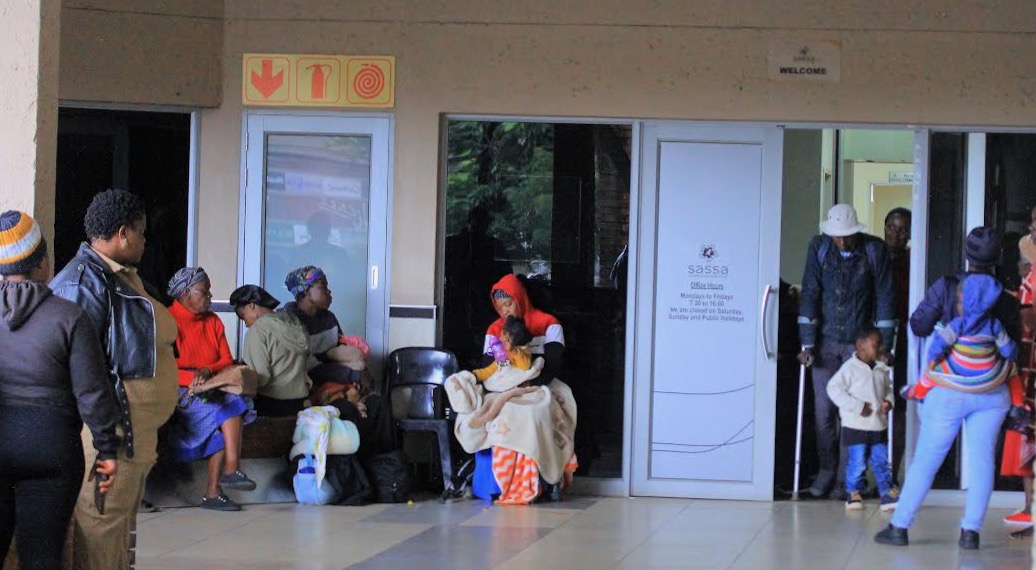
There were long queues at the SASSA offices in Makhado last week as beneficiaries tried to find out what had happened to their grants. Photo: Thembi Siaga
More than 30,000 people in Limpopo had lost access to their social grants by the end of February, leaving many households without income. This is part of a review process by the South African Social Security Agency (SASSA), aimed at ensuring only eligible beneficiaries receive support.
SASSA spokesperson Tebogo Tshipi SASSA said 34,169 social grants had lapsed in Limpopo after a standard review process. Beneficiaries affected had received two notifications, she said, and no grants had been suspended incorrectly.
But when GroundUp visited the SASSA office in Makhado last week there were long queues of beneficiaries who were trying to sort out their situation.
Muofhe Julia Mudau from Mpheni village, who was in the queue, said she had not received her old age grant or the grants for her three grandchildren in April.
She said she had received an SMS from SASSA on 29 March asking her to verify details but had only managed to get to the offices on 8 April. She has to spend about R40 to get to and from the office.
Without the grants there is no money for food, transport or other basic needs, she said. “I don’t know what to do.”
Other people in the queue said they had only received the SASSA SMS a day before their payments were due.
Tshipi said the Social Assistance Act allows SASSA to review, suspend or lapse grants to ensure only eligible beneficiaries receive support. Most grants are suspended when beneficiaries fail to respond to review notices or update their information.
Beneficiaries whose grants have lapsed must reapply as new applicants. “No backdated payments will be made, even if the applicant qualifies again,” she said.
She said the beneficiaries whose grants had been suspended were “suspected of receiving undeclared income”. But occasional income from adult children or other informal income did not automatically trigger suspension, she said.
Tshipi said the agency was confident that no grants had been incorrectly suspended.
The Black Sash, however, says the impact is severe. “When a social grant lapses, it is an immediate crisis,” said Rachel Bukasa of Black Sash. “In many homes, that grant is the only reliable income. When it stops, food runs out. Transport money disappears.”
Bukasa said children are often the most affected, with families cutting meals and taking on debt. She said many beneficiaries do not receive notices in time or do not understand the process. In rural areas, long distances, high transport costs and limited access to phones make it harder to comply.
“Missing a deadline is often not about negligence. It is about poverty, distance and lack of information,” she said.
Tshipi said SASSA recognised that beneficiaries in rural areas faced transport difficulties and poor access to networks. She said mobile teams, SMS alerts and radio alerts were used to notify beneficiaries of upcoming reviews.
