5 May 2026
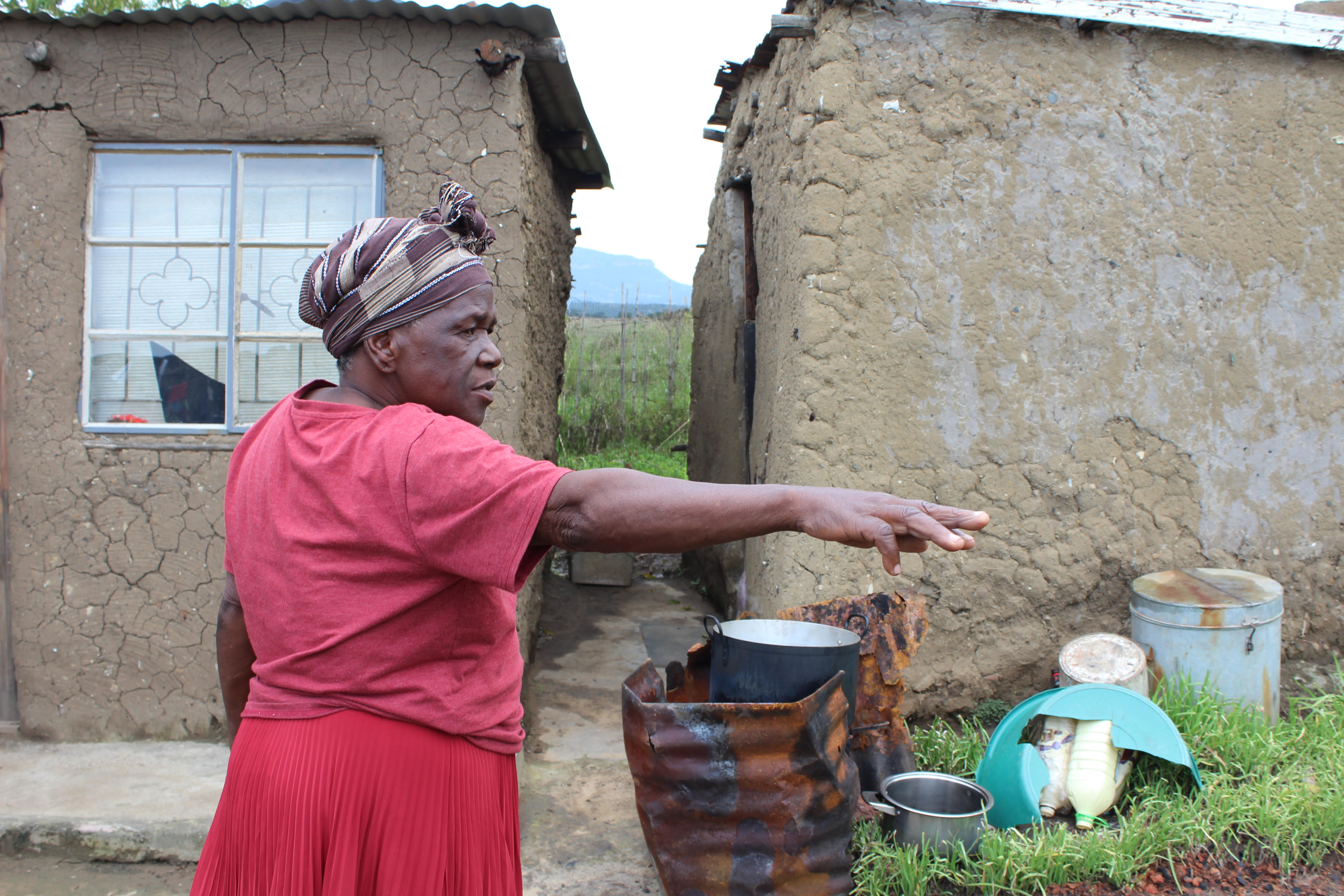
Anna Mhlanga dreads the rainy season when the flooding Forestdale River damages her mud house. Photos: Bongane Motaung
Anna Mhlanga has lived in a mud house on the banks of the Forestdale River in KwaZulu-Natal for 20 years. Like the other residents of Dlamini informal settlement, she dreads the rainy season when flood waters damage her home.
Mhlanga lives with her two children and seven grandchildren, all of them dependent on her old age grant.
Hers is one of 44 families in the settlement who were allocated an RDP house in the Forestdale housing project launched in 2018. But only 34 of the 44 houses were completed when the contractor died in 2023. The contract was terminated, leaving nine houses incomplete, including Mhlanga’s, and one which had not been started.
By the time a new contractor was appointed in November 2025, the incomplete houses had been vandalised and additional funding had to be found.
Mhlanga says her husband and many of her friends have died waiting for housing.
“Why are we made to suffer like this?” she says. “We were promised houses, but we are still living in mud. I am always sick because I sit in water.”
Ward councillor and Endumeni Municipal Council Speaker Andile Nsibande says there are 100 families in the settlement, which lies on a narrow strip of wetland along the river. During heavy rains, homes built from mud and scrap materials are frequently flooded, eroded or destroyed. Fires and structural collapses are common, leaving families trapped in a cycle of rebuilding.
Residents walk long distances through bush to collect firewood or coal from nearby mining areas. During water shortages, some are forced to use river water, while others fetch it from relatives in Sibongile township.
Without electricity, parts of the settlement remain in darkness, raising safety concerns, particularly for women and children. Residents have dug their own pit toilets, but in heavy rain the pits fill with water and the toilets can’t be used, Mhlanga says, forcing families to use the bush or ask to use a toilet in the nearby township.
“Every time it rains, we don’t sleep,” said one resident. “We are waiting for houses, but nothing changes.”
For some families, temporary disaster relief has become long-term.
Zehlile Phungula has been living at Sibongile Community Hall since 2023 when her home was destroyed by floods.
Phungula, who depends on a social grant, said she cannot return to her previous site because it is too muddy.
“I am tired of living in the hall because I have no privacy,” she said. “My children keep asking when we will have a decent home where we can live freely.”
Municipal manager Thondolwethu Manda said the provincial human settlements department had told the municipality that construction of the remaining RDP units would resume in the current financial year.
Meanwhile, Nsibande said, the municipality is working on plans to relocate families to safer land, but no clear timeline has been provided.
With another rainy season approaching, Dlamini families are still waiting for homes promised years ago.
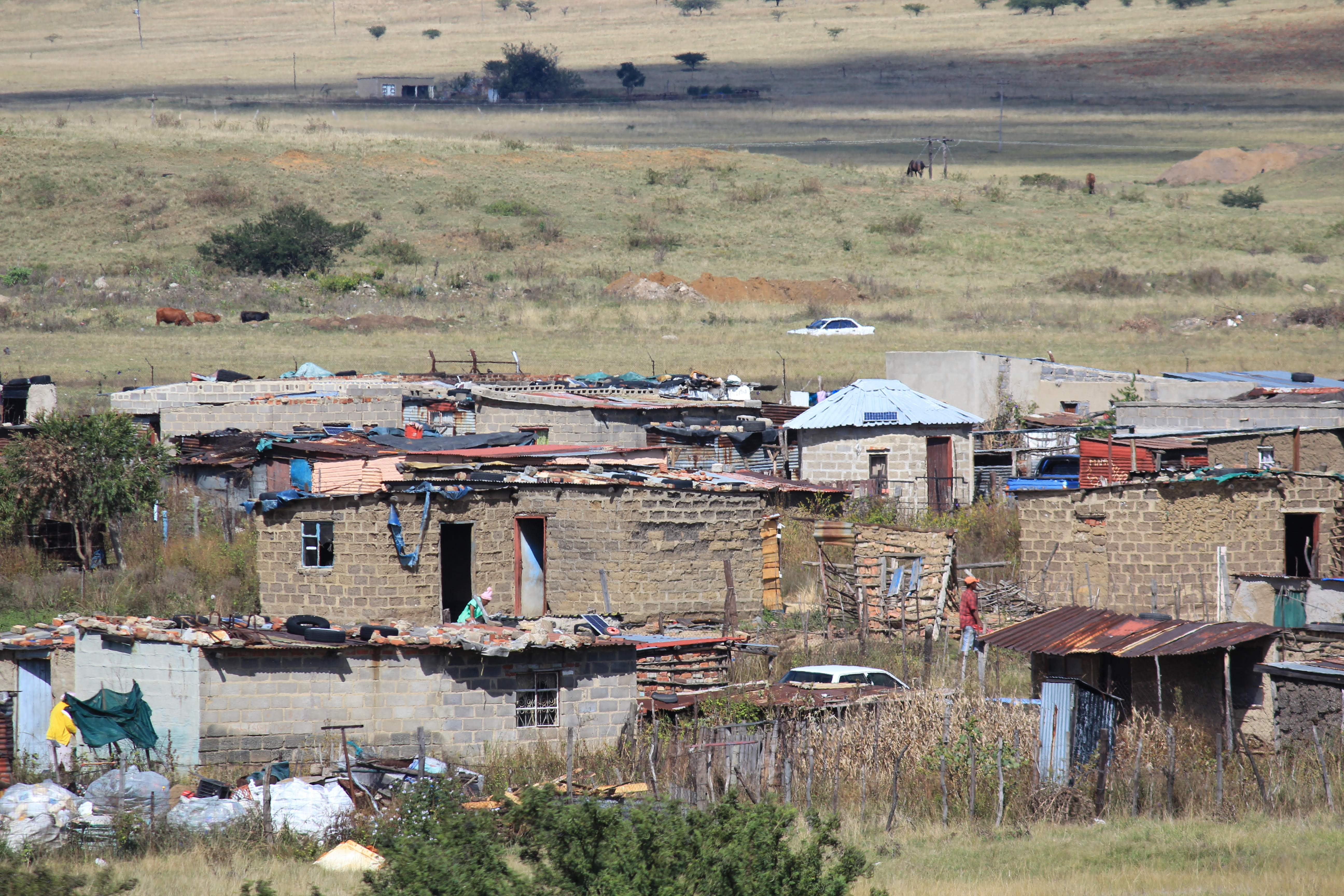
According to the municipality, about 100 families live on the flood plain.
