16 June 2026
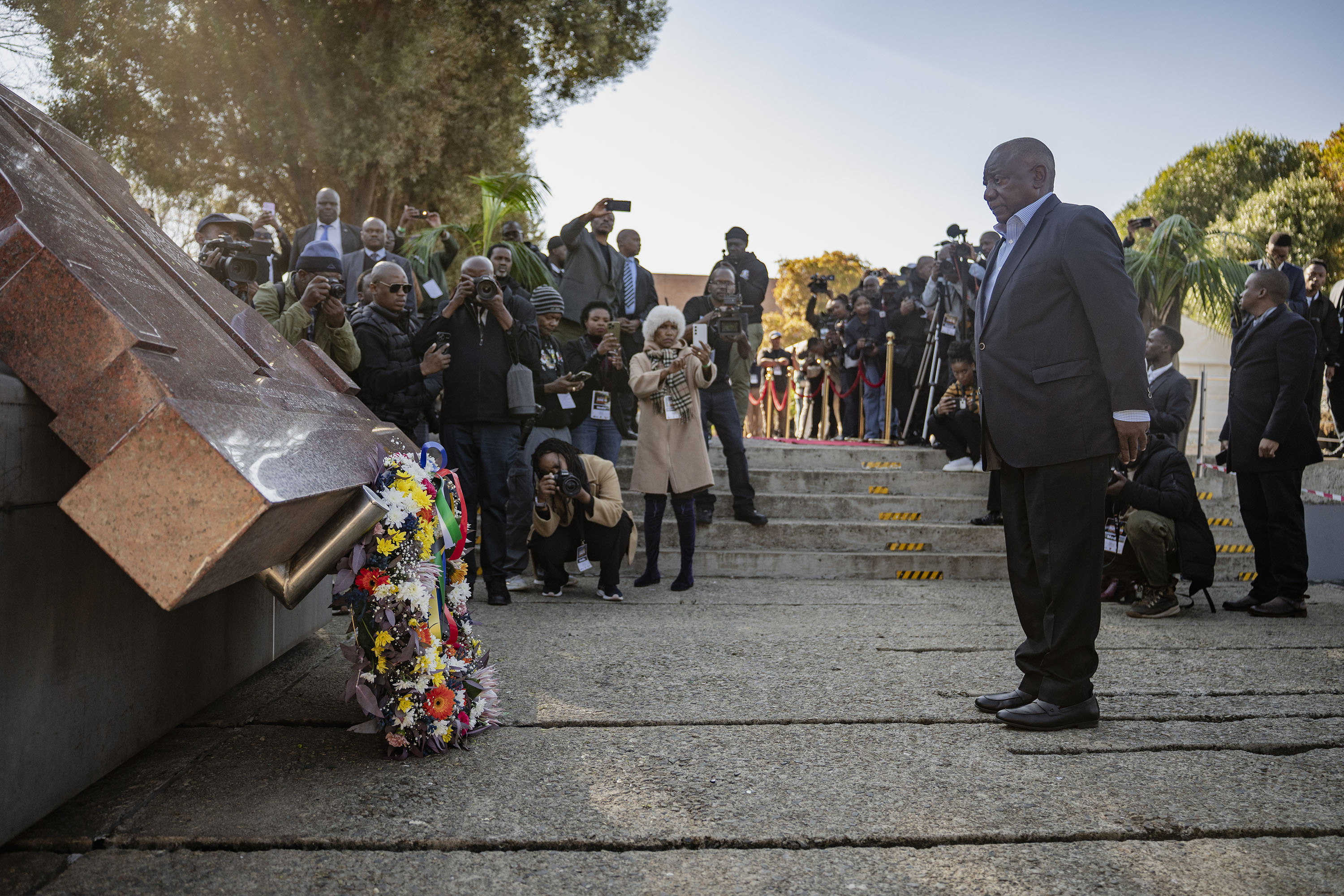
President Cyril Ramaphosa lays a wreath at the Hector Pieterson Memorial in Soweto on Tuesday. Photos: Ihsaan Haffejee
To mark 50 years since the watershed student-led protests in Soweto, the Jozi My Jozi initiative invited the public to spend 76 hours in Soweto under the theme ‘Honouring the Past, Building the Future’.
The first two days of the commemoration featured the Biyo Film Festival, the Locrate Market, and ended with a commemorative walking tour tracing the route of the student march led by 1976 struggle veteran Seth Mazibuko.
Organisers say that using multiple venues across Soweto over the four days, encourages visitors to explore different neighbourhoods and spread economic benefits rather than concentrating activities in one location.
On the eve of Youth Day, an event in Pimville brought together music legends, entrepreneurs, artists, cultural leaders and the youth to reflect on the legacy of the uprising and the state of South African society today.
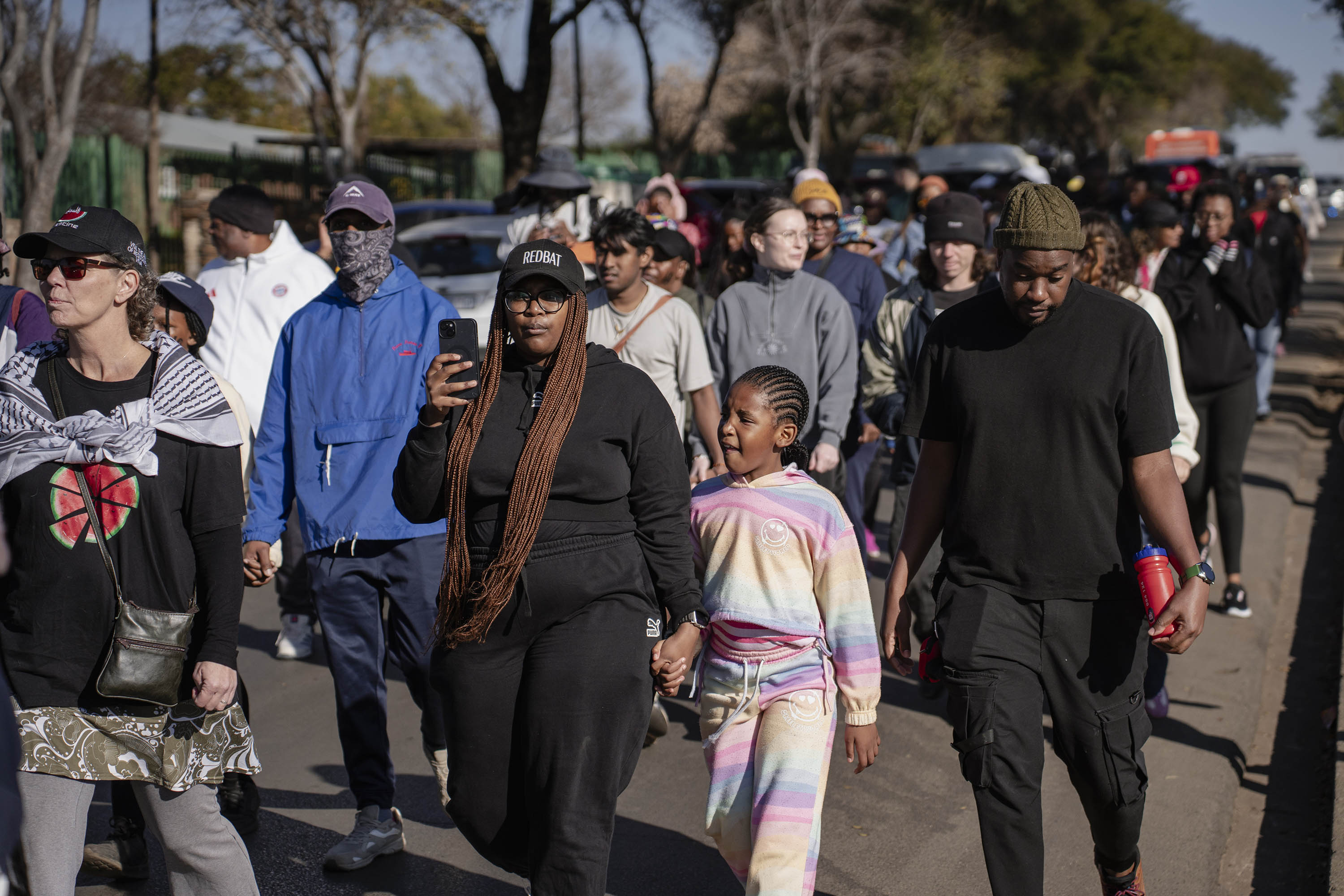
People join a commemorative walk from Morris Isaacson High School to mark the 50th anniversary of the Soweto student uprising.
Panelists included creative culture expert and broadcaster Shado Twala, renowned musician Kaya Mahlangu, entrepreneur Kgomotso Pooe, street culture expert Osmic Menoe, artist Mark Modimola and Mazibuko. They discussed “the erosion of ubuntu”. The panel argued that ubuntu was the driving force behind the 1976 uprising, enabling thousands of young people to act collectively against an oppressive system.
Despite the freedoms won since 1976, speakers and attendees expressed concern that South Africans have become increasingly disconnected from one another.
“The system has continued to encourage us to work in silos,” said Twala. “The divide and conquer that happened then still is happening now.”
Twala also challenged young people to stop waiting for solutions from the government.
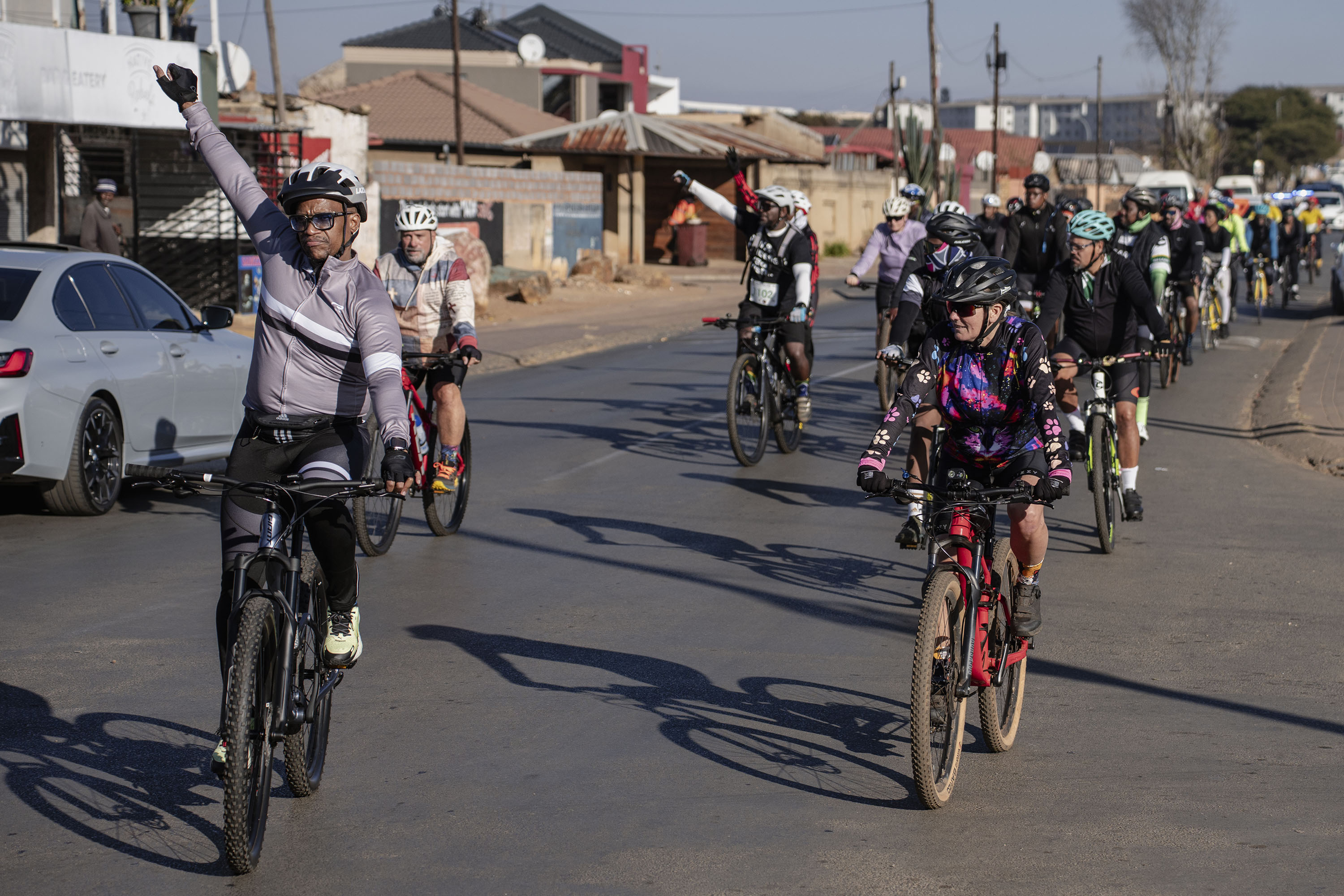
Participants of the Soweto Uprising Cycle Race cycled through the streets of Soweto on Tuesday morning.
“You’re not free yet because your mind is not free,” Twala told younger attendees, arguing that many South Africans remain constrained by the psychological legacy of vitriol so evident during apartheid.
Twala argued that this mentality has contributed to the exclusion of other Africans from South Africa’s story.
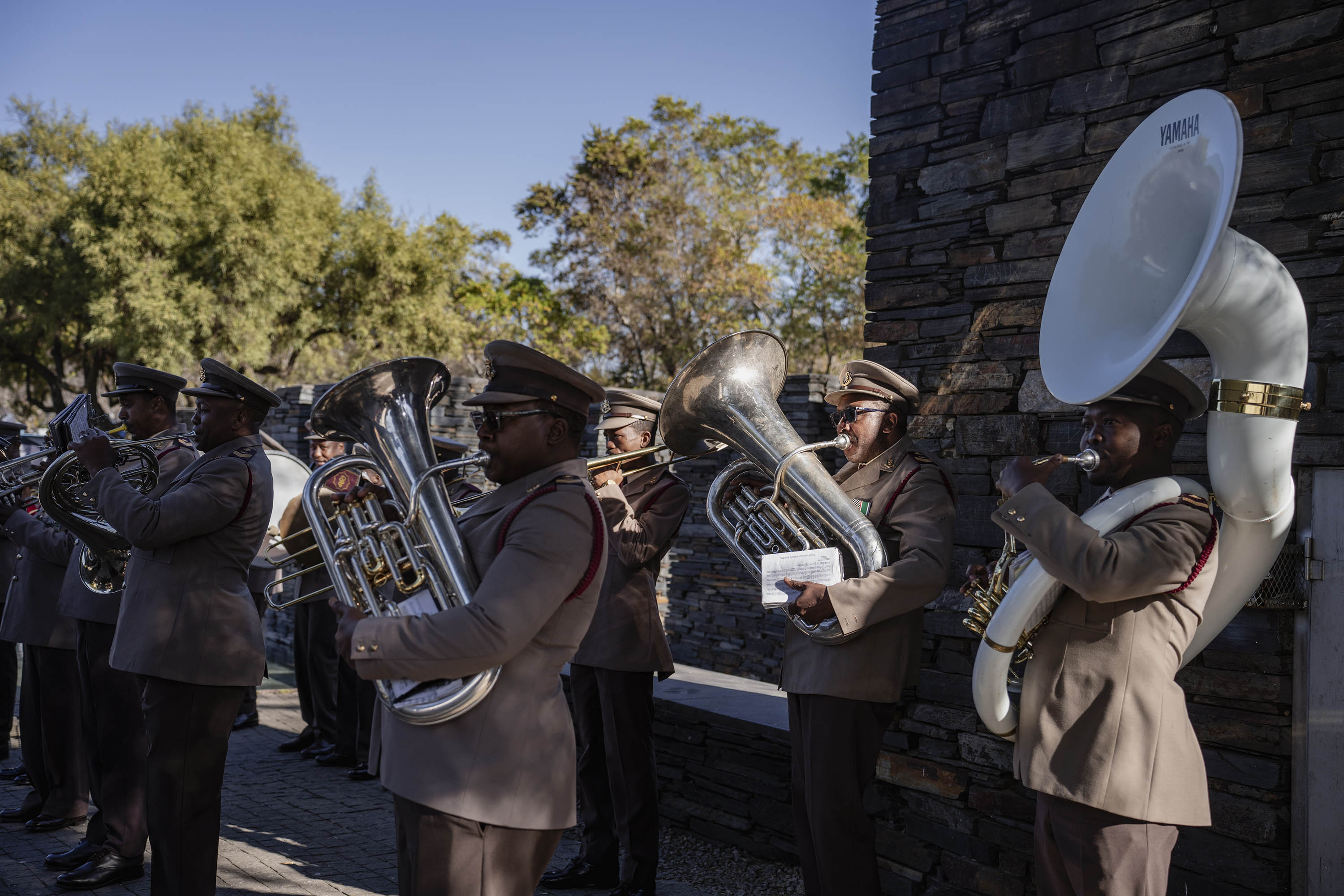
A military brass band played during the remembrance ceremony at the Hector Pieterson Memorial.
“Maybe we can learn from them instead of chucking them out of our country at the moment,” she said.
The panel agreed on the need to rebuild a culture of ubuntu, agency and collaboration to realise the promise of the freedoms won in 1976.
The Youth Day celebrations conclude the 76-hour commemoration event, culminating with a symbolic nine-kilometre walk to Orlando Stadium, followed by a cultural street festival and open-air art gallery on Vilakazi Street.
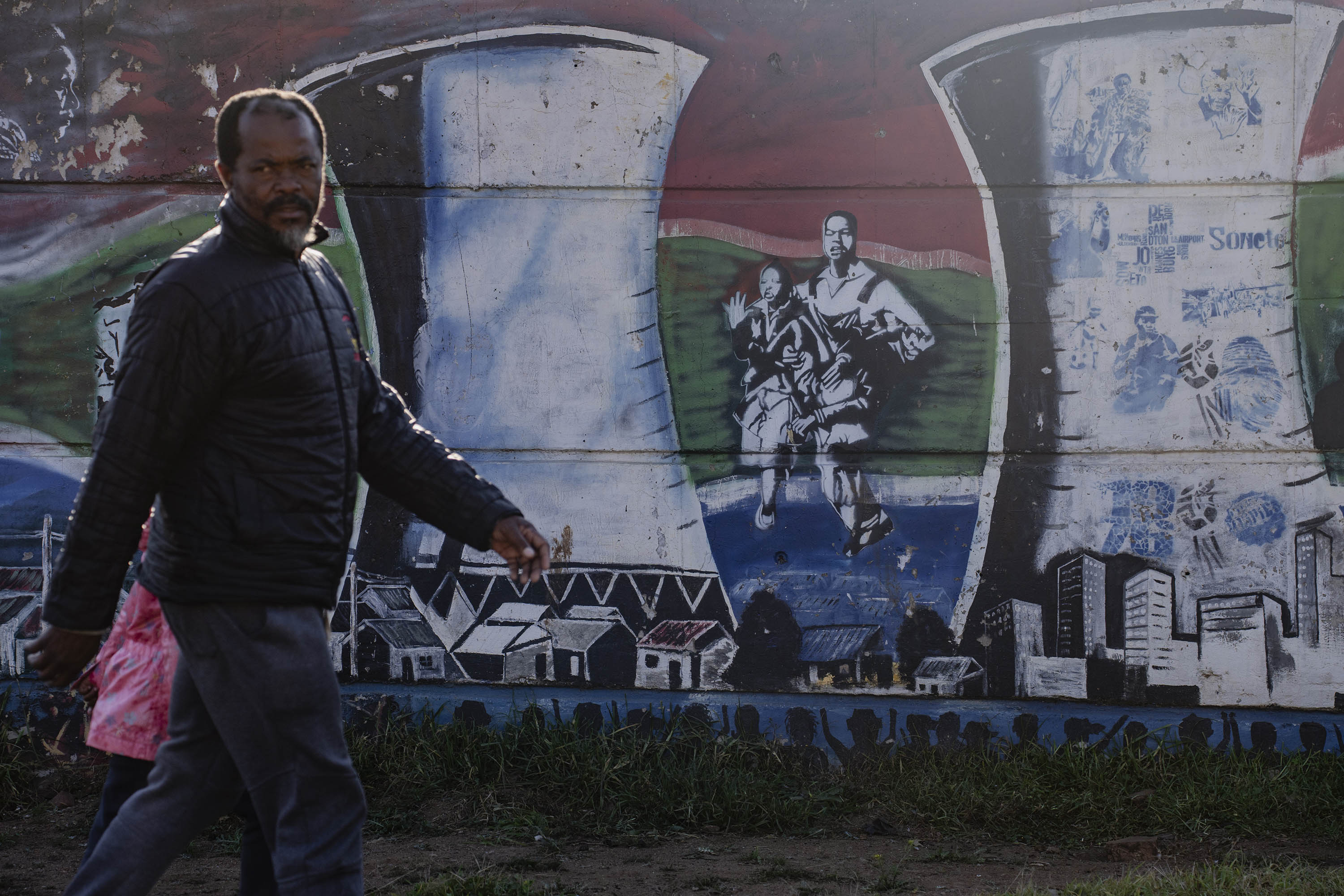
A Soweto resident passes a mural featuring Sam Nzima’s iconic photograph of Mbuyisa Makhubu carrying the body of Hector Pieterson.
