
Not a single house has been built for land claimants after 26 years
About 2,000 beneficiaries in Buffalo City are still waiting after restituted land earmarked for housing was illegally occupied
 Add GroundUp on Google
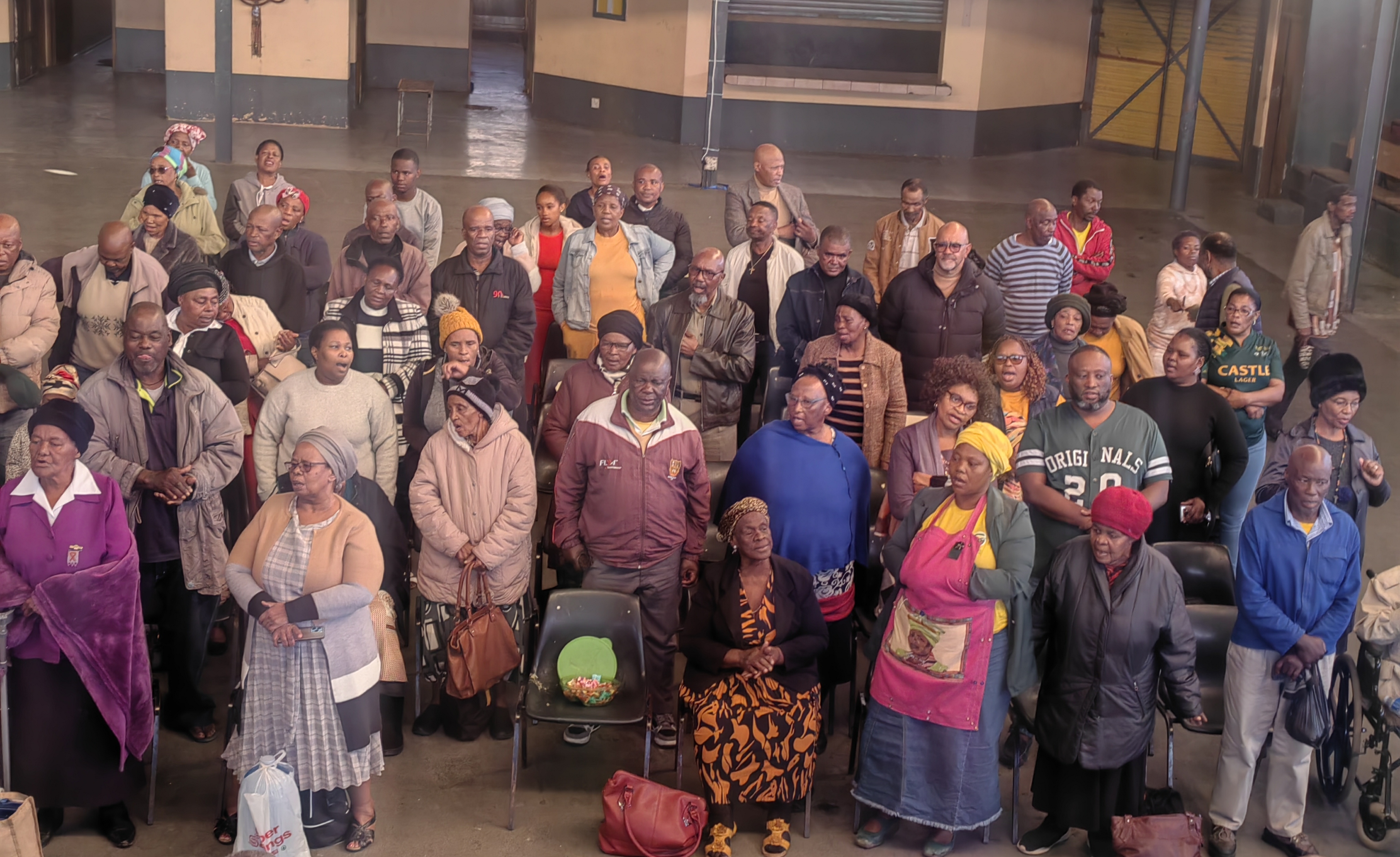
Twenty-six years after settling a land restitution claim, about 2,000 beneficiaries of the West Bank Restitution Project in East London are still waiting for homes. Photos: Johnnie Isaac.
- About 2,000 beneficiaries of the West Bank Restitution Project are still waiting for homes 26 years after their land claim was settled.
- The housing project stalled and the land earmarked for beneficiaries has been occupied.
- Buffalo City Metro and the Housing Development Agency are blaming each other for failing to clear and secure the site.
- Beneficiaries say many original claimants have died while waiting and are frustrated by repeated promises that have not materialised.
Twenty-six years after their land claim was settled, about 2,000 beneficiaries of the West Bank Restitution Project in East London are still waiting for homes. Not a single one has been built, and now the land earmarked for their settlement has been occupied.
Buffalo City Metro and the Housing Development Agency (HDA) are now blaming each other for the delay. The municipality says the HDA is responsible for clearing and securing the site before construction can resume. The HDA disputes this, saying those responsibilities fall outside its mandate.
The dispute is the latest obstacle facing families who were forcibly removed from the West Bank area under the apartheid-era Group Areas Act between 1962 and 1965.

The West Bank Association said that, following a successful land claim, beneficiaries used part of their restitution settlement to buy land near King Phalo Airport.
Buffalo City Metro received funding from National Treasury for a housing project for the land claimants and appointed the HDA to implement the engineering services component.
The project was intended to provide at least 2,026 residential erven, as well as a sports field and churches. But the development stalled, and people began occupying the site.
Beneficiary Brendan Bussack said land occupations began in 2012 after the project stalled. Although the municipality obtained a court order in 2021 to evict about 300 occupiers, it has never been enforced.
Buffalo City Metro spokesperson Luzuko Buku said the municipality had delayed enforcing the eviction order because the court required it to first identify relocation land with basic services.
He said the municipality had prepared a temporary relocation site on Farm 924, about a kilometre away, with basic services, and consultations with occupiers had begun.
Buku said the municipality had also screened occupiers who may qualify for future housing programmes.
He insisted the HDA clear and secure the site so construction could resume, saying the implementation protocol places that responsibility on the agency.
“HDA, as an implementing agent, has the mandate to safeguard the site and ensure that construction is done and completed on the site. We are therefore expecting them to ensure that they do this with urgency and without any further delay,” he said.
But HDA spokesperson Katlego Moselakgomo disputed the municipality’s interpretation of the implementation protocol.
“The clearing and securing or removal of informal structures falls outside the HDA’s assigned responsibilities,” he said.
Moselakgomo said the HDA’s role is limited to procuring and implementing engineering services infrastructure, including roads, stormwater drainage, sewerage and water reticulation for 970 sites under phase two of the project.
Land management, occupation control and beneficiary administration remain the municipality’s responsibility, he said.
Moselakgomo said the HDA was procuring a replacement civil works contractor after the previous contractor abandoned the project because of several challenges, including disruptions linked to the “construction mafia”. The procurement process is in its final stages and work can begin once a contractor is appointed and the site is accessible, he said.
Even then, completing engineering services on the remaining 748 of the 970 erven would take about two years.
Neither Buffalo City Metro nor the HDA could say when the site would be cleared or when beneficiaries would finally receive their homes.
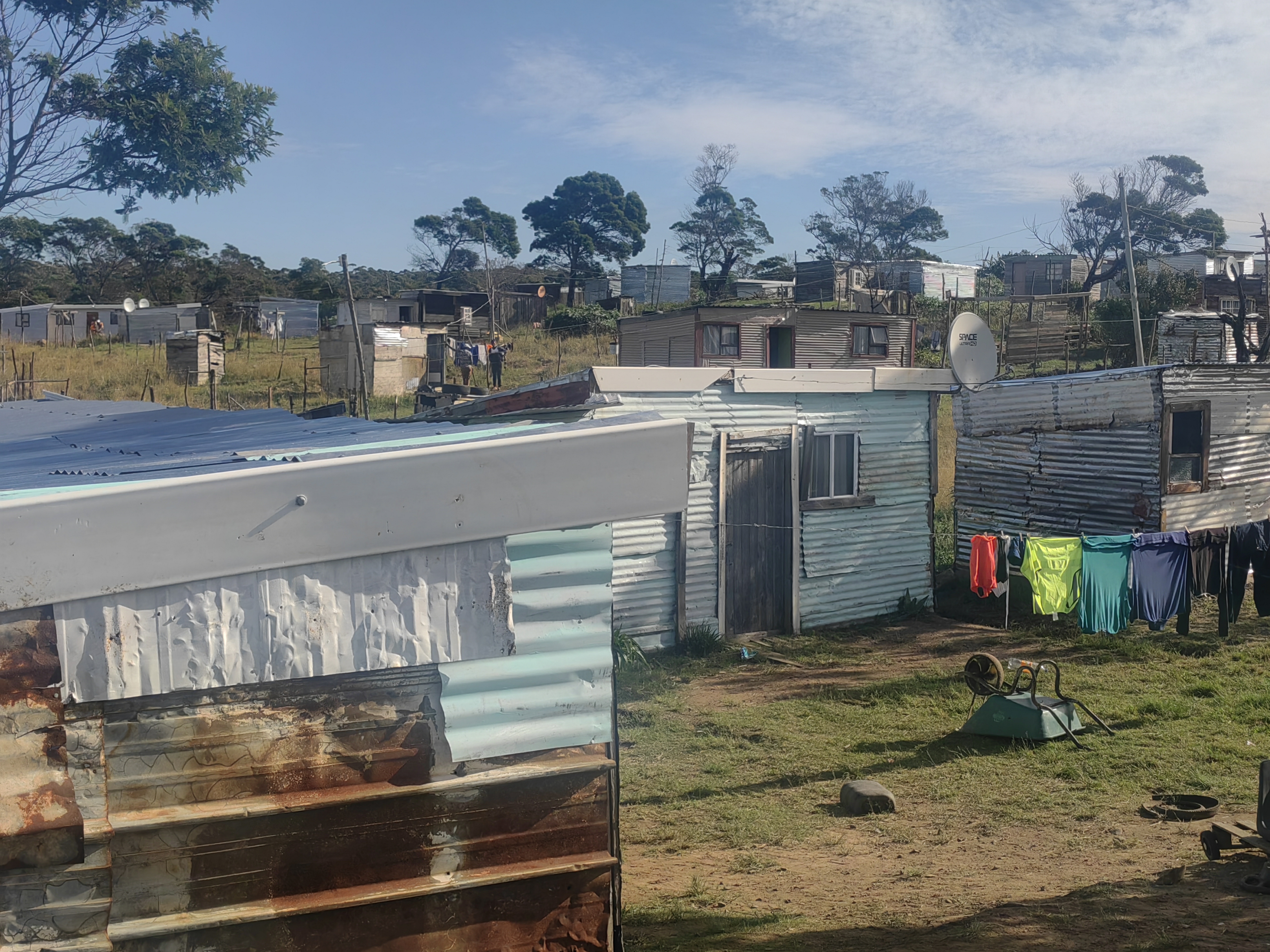
Several structures have been erected on the site earmarked for housing.
Beneficiaries frustrated by delays
Elliot Sityebi Putye, a beneficiary, said many of the original claimants had died while waiting.
“In 2024, the mayor promised we would be living in our homes by 2026. We are halfway through 2026, and the squatters are still there,” he said.
Frustrated by years of delays, beneficiaries approached the Democratic Alliance for assistance. DA spokesperson on Land Reform and Rural Development Mlindi Nhanha took the matter to Parliament’s portfolio committee for land reform and rural development in May.
“While most of what needs to be done rests with Buffalo City, the Department of Land Reform and Rural Development must ensure that the municipality implements the settlement agreement and that it is done properly,” he said.
He said the committee will meet with the West Bank beneficiaries in August.
“The department and the City must implement the settlement in full. The beneficiaries have been made promises and a political football for far too long; it has to come to a stop,” he said.
When GroundUp visited the site in June, more shacks were being built.
Some shack dwellers said they occupied the land during the Covid pandemic when they lost their jobs and were unable to pay rent.
Siyabonga Gqaji said they only learned months later that the land belonged to restitution beneficiaries.
“We are willing to vacate the area, but the law says we cannot be removed from shacks and relocated to shacks again. Government must build RDP houses for us,” he said.
Support independent journalism
Donate using Payfast

Don't miss out on the latest news
We respect your privacy, and promise we won't spam you.
Next: Lesotho’s only snake park: one man’s 30-year battle
Previous: Mandela Day: Capetonians take a stand against xenophobia
© 2026 GroundUp. This article is published under the GroundUp Republication Licence Version 1.0. Email [email protected] to request permission to republish.