
In photos: Artist brings Joburg nature reserve back to life
The Wilds, once forgotten and crime-ridden, has been transformed
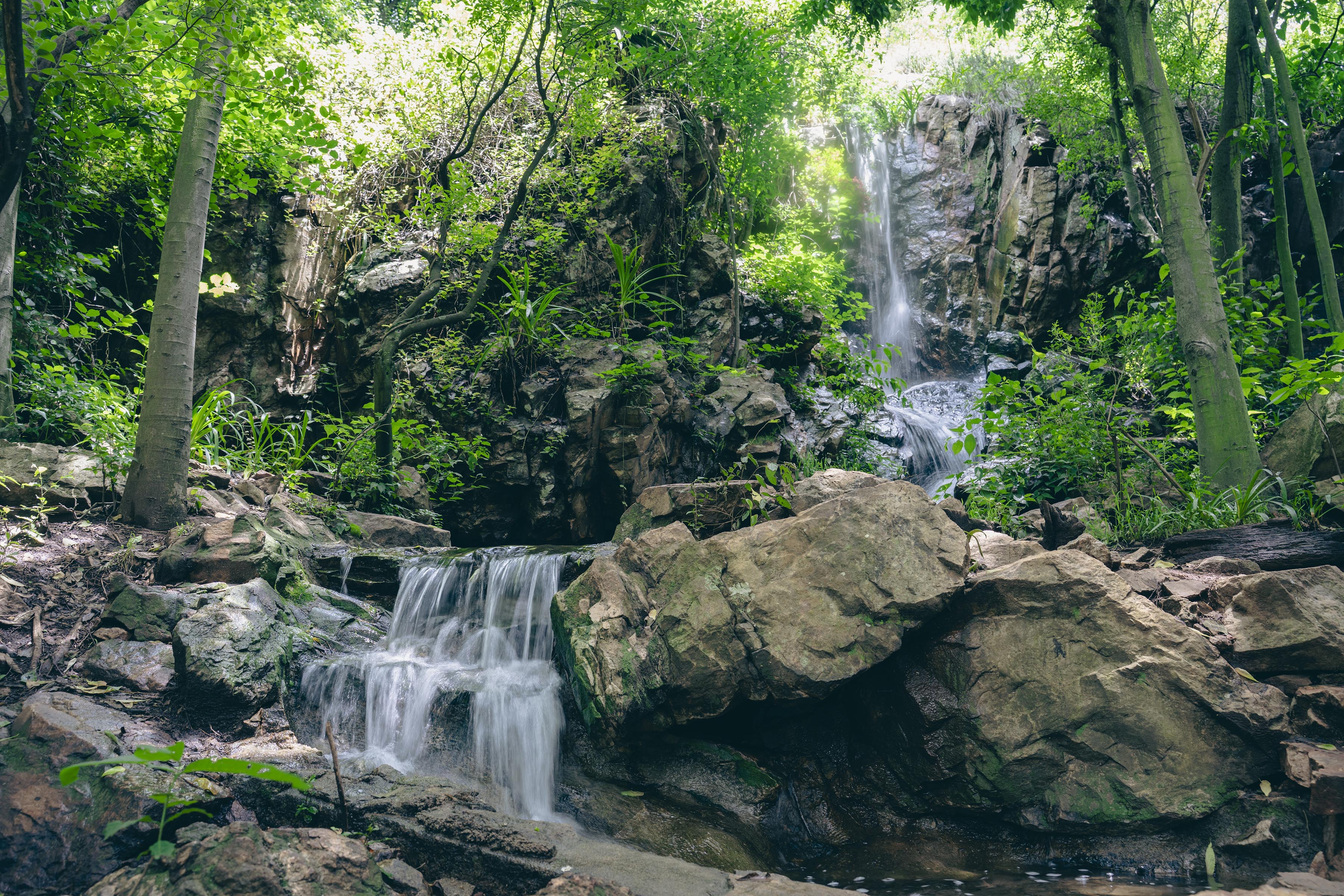
Water features, which stood empty for decades, now flow with water from the Gautrain tunnels. The tunnels are pumped every day to keep them dry. Engineer Laurence Sachs devised a system to pull the Gautrain’s discarded water into The Wilds’ water features. Photos: Ihsaan Haffejee
Artist James Delaney credits his dog Pablo as inspiration for his work rehabilitating The Wilds, a park in Johannesburg.
The 16-hectare nature reserve was once forgotten, abandoned and crime-ridden. Today it is widely considered the best communal green space in Johannesburg.
Twelve years ago, Delaney was looking for a place to walk his new puppy, and The Wilds, just a stone’s throw away from his apartment in Killarney, seemed like the perfect spot.
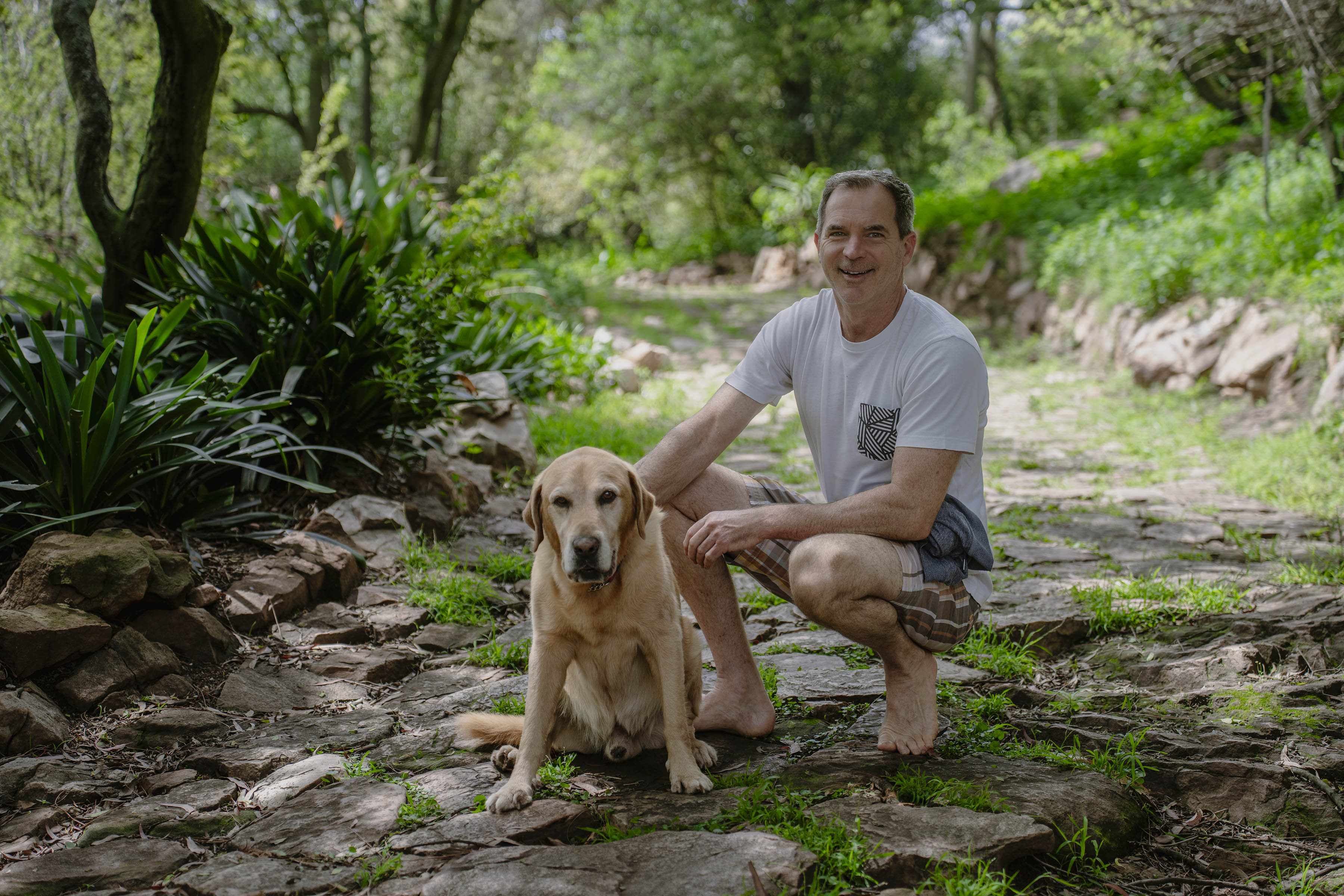
Artist and Joburg resident James Delaney with his dog Pablo, who was just a puppy when he started to work on rehabilitating the park 12 years ago.
The park on the Parktown Ridge was established in 1924 on land donated by the Johannesburg Consolidated Investment Company, on condition that it be kept as an open space for public recreation. It had indigenous flora and quickly became one of the most beautiful public parks in Johannesburg.
As urban decay spread in the 1990s, it lost its attraction. Visitors stayed away amid reports of crime in and around the park.

A view of The Wilds looking towards Hillbrow and the Johannesburg CBD. The 16-hectare park is separated by Houghton Road into The West Wilds and The East Wilds.
Delaney could see the dense forested park from his apartment but had never visited it. Neither had his friends or his neighbours.
His curiosity led him to take a chance and explore the park. He jokingly asked the security guards at his building to send out a search party if he didn’t return, put a R100 note into his pocket should he be approached by a robber and made his way with Pablo into the forest.
“It was badly overgrown, trees collapsed onto cycads, infestations of weeds, erosion, broken benches, empty water features, crumbling stonework, dead branches hanging off trees,” Delaney told GroundUp.
He saw the indigenous flora and the vast network of walkable stone paths. “What I discovered when I started working is that nobody came here. Rich people were scared that it was full of poor people who would rob them. The poor people thought they weren’t allowed in because it was too expensive and only for the rich. So neither group came. An empty public space, it’s never good for anything,” said Delaney.
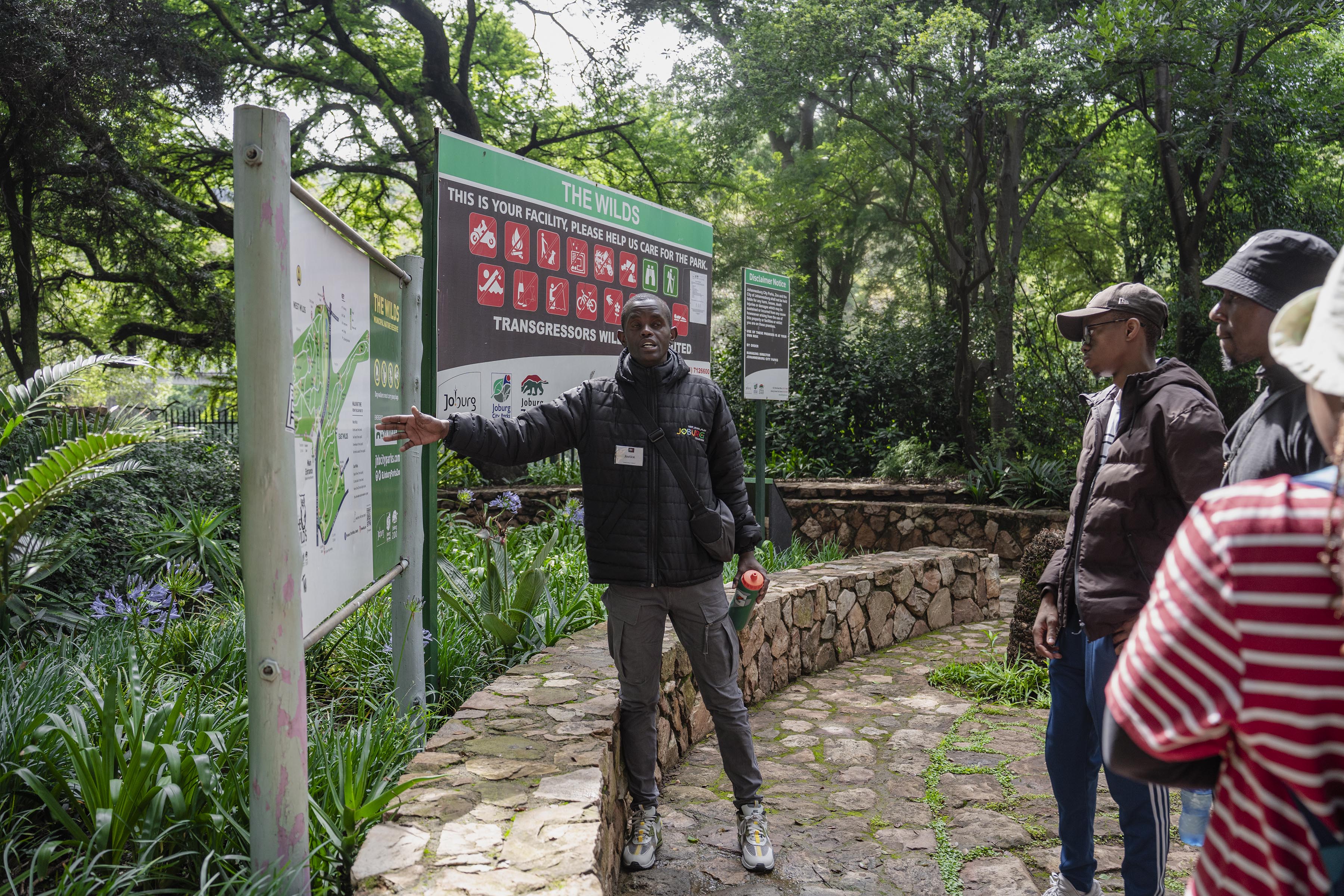
A guide briefs a group of first-time visitors, showing them a map of the park.
Delaney came across a group of people from Joburg City Parks who were employed to manage and maintain the space. They were scared of their own park, too.
“They told me they didn’t walk to the extremes of the park. They kept the lawns, but left the rest.”
Delaney saw The Wilds had the potential to be a thriving public space. He started with a small team clearing undergrowth and dead branches every weekend.
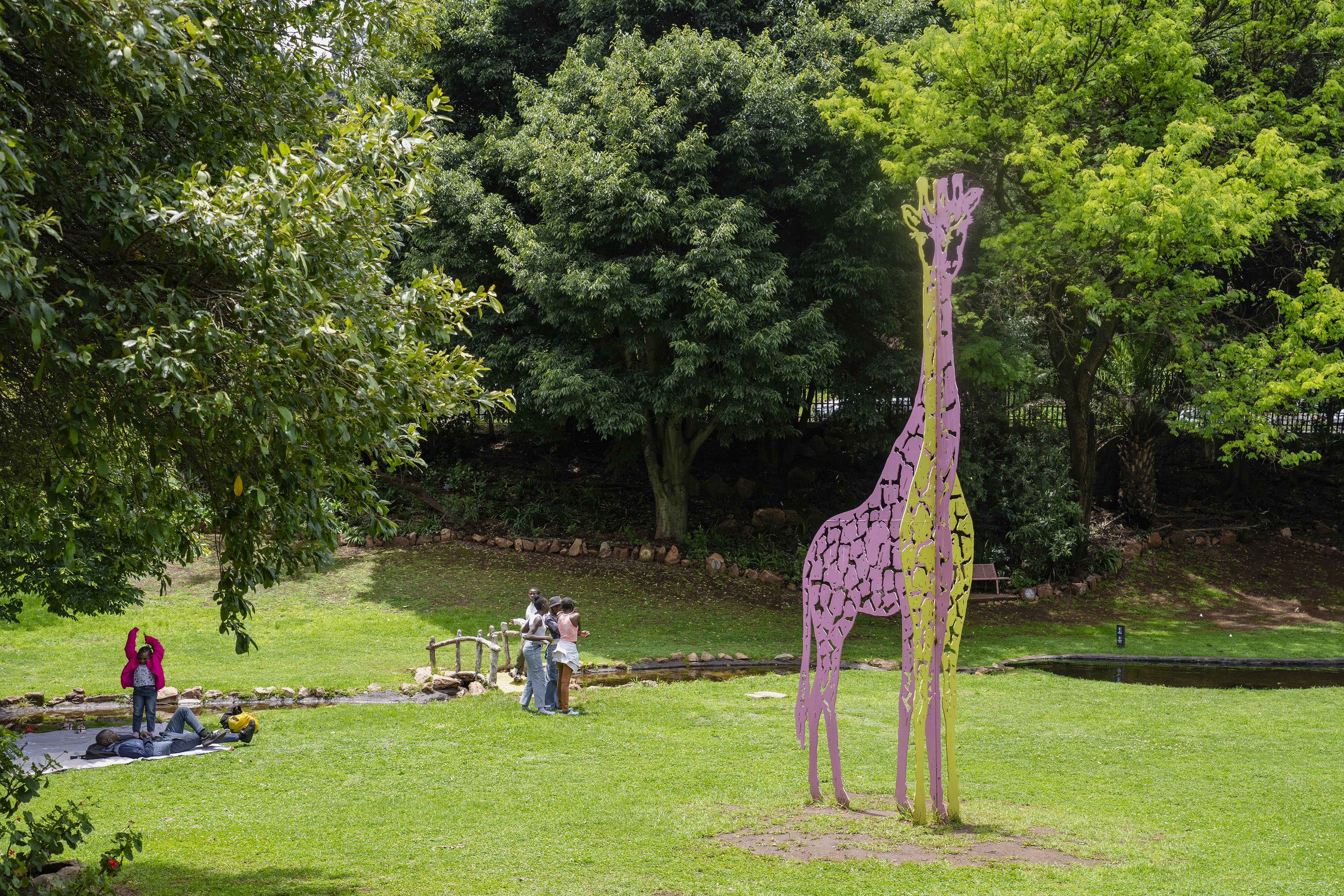
Visitors relax in The Wilds near an artwork produced by James Delaney, a 5 metre high pink and yellow giraffe. This area is called Giraffe Lawn.
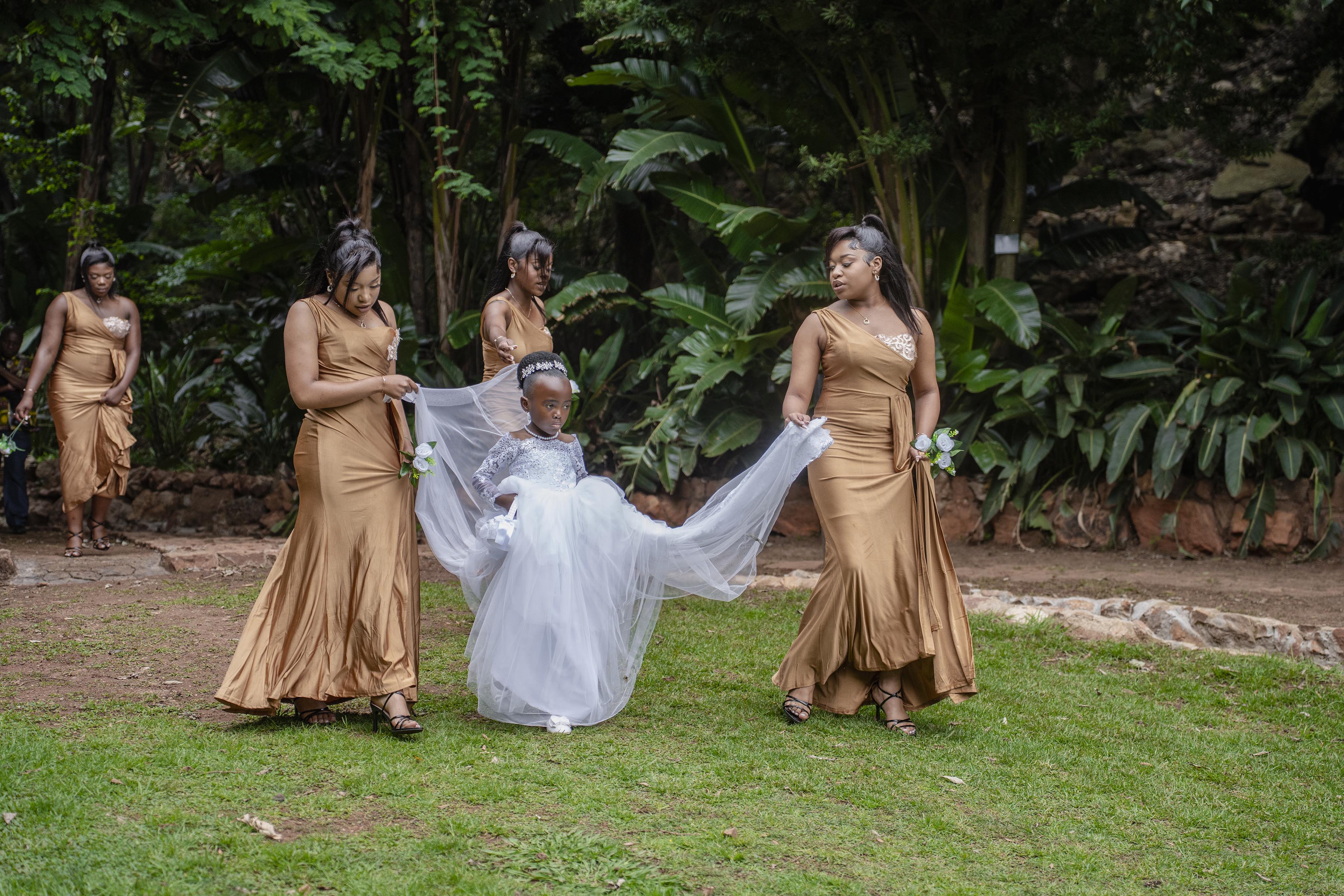
A group of bridesmaids get ready for a wedding ceremony at The Wilds. The Wilds used to be a popular site for newly married couples to take photographs. Today, after a decade of rehabilitation, it is used as an outdoor wedding venue.
He navigated the bureaucracy of having to work with a Johannesburg public entity like City Parks. He got volunteers to help, then raised funds to fix the ponds, fences and benches, and continued to remove weeds and replace them with indigenous plants.
The park’s dangerous reputation still kept the people away. Delaney then started building several sculptures, which he placed around the park in the hope of drawing more visitors. It worked.
Today, the park is filled with residents enjoying nature as well as the over 100 pieces of artworks by Delaney and others, which are dotted around the space.
Parts of the park still need to be rehabilitated.
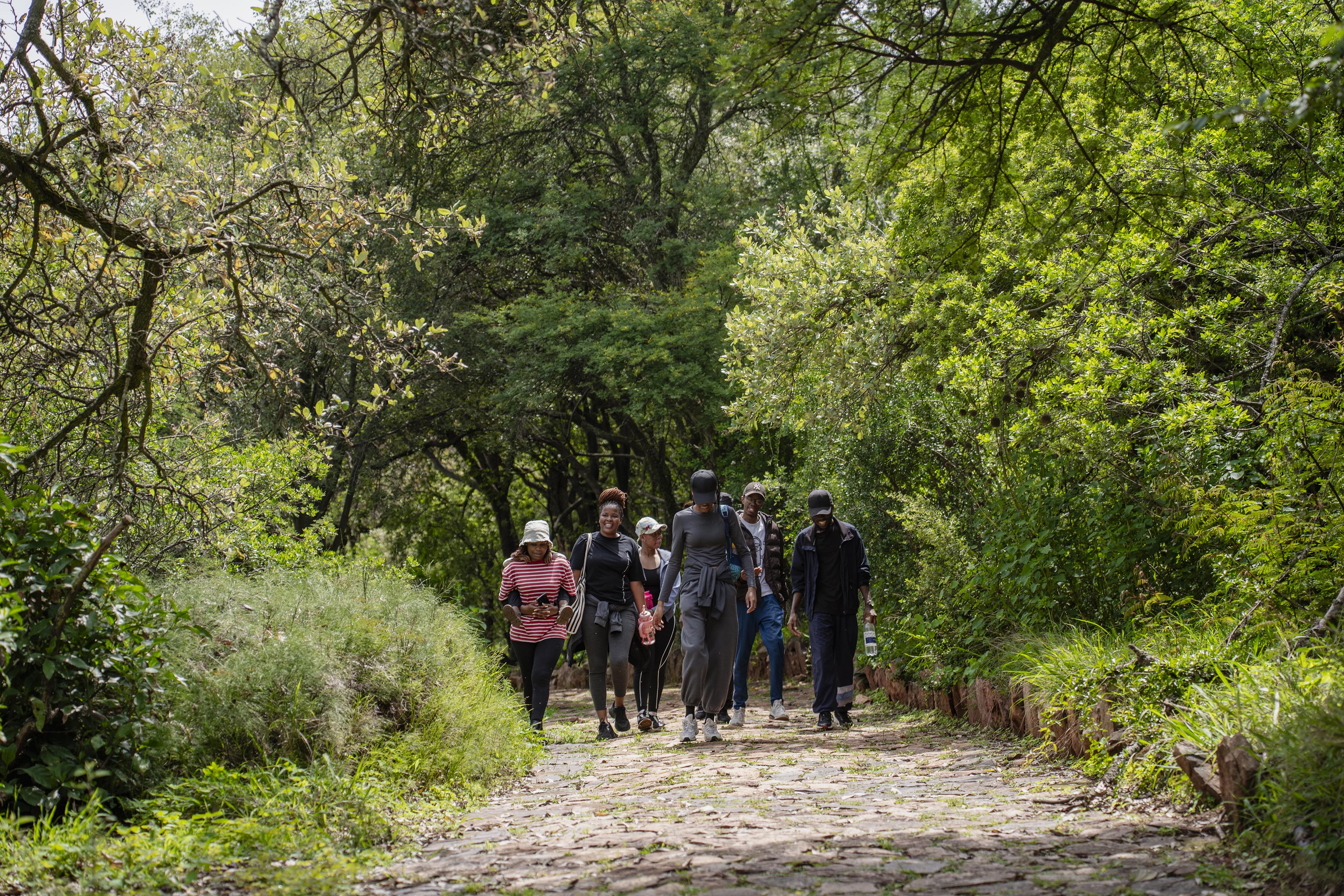
A group of hikers enjoy the east end of The Wilds, walking along the stone pathways which wind through the park and cover a distance of around 8km.
Delaney hopes that The Wilds will one day be recognised as a botanical garden because of its rich diversity of plant life. “The other objective is to be able to share what we’ve learned here with other parks around South Africa and neighbouring countries,” said Delaney.
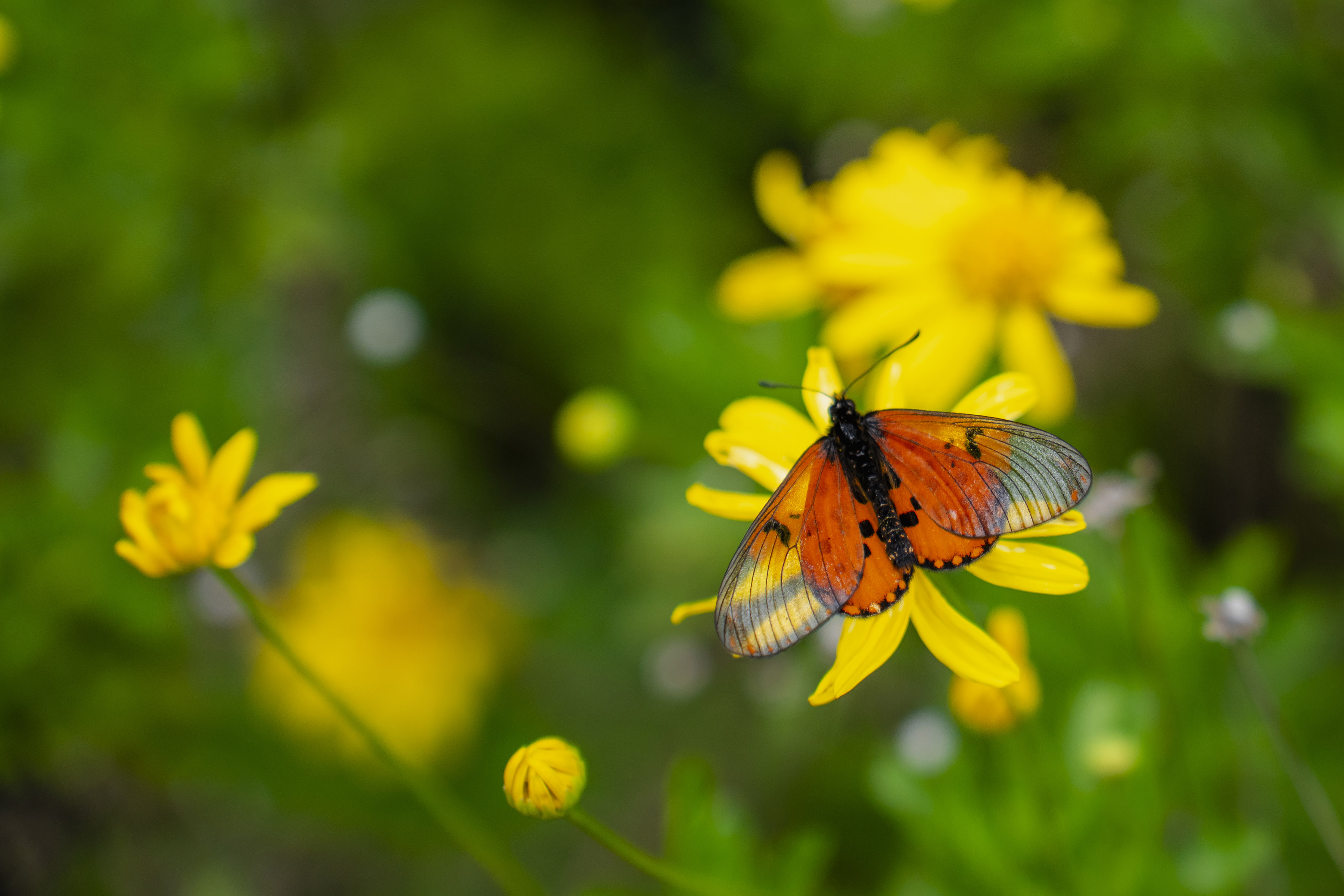
A brightly coloured butterfly, a garden acraea or tuinrootjie, sits on a yellow flower at The Wilds.
Support independent journalism
Donate using Payfast

Don't miss out on the latest news
We respect your privacy, and promise we won't spam you.
© 2025 GroundUp. This article is licensed under a Creative Commons Attribution-NoDerivatives 4.0 International License.
You may republish this article, so long as you credit the authors and GroundUp, and do not change the text. Please include a link back to the original article.
We put an invisible pixel in the article so that we can count traffic to republishers. All analytics tools are solely on our servers. We do not give our logs to any third party. Logs are deleted after two weeks. We do not use any IP address identifying information except to count regional traffic. We are solely interested in counting hits, not tracking users. If you republish, please do not delete the invisible pixel.