
Mpumalanga’s Emakhazeni fails to bill residents as its towns crumble
The municipality ran up a deficit of R21-million in the 2024/25 financial year
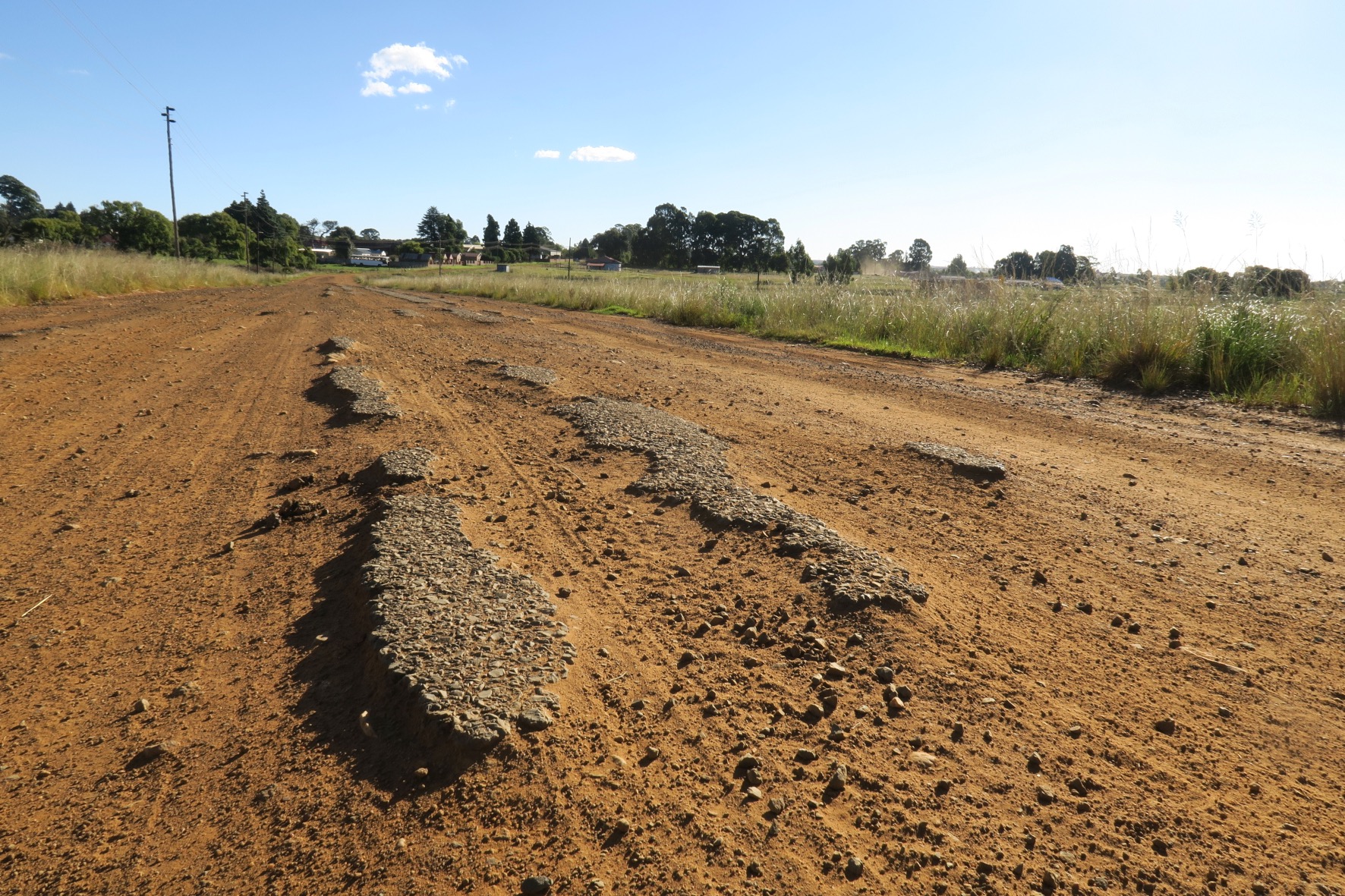
The once-tarred road to Emakhazeni town’s industrial area is now characterised by abandoned buildings and lots for sale. Photos: Steve Kretzmann
-
The Emakhazeni local municipality has recorded a deficit for several years.
-
In 2024/25, it had water losses amounting to R17-million and electricity losses totalling R55.6-million.
-
Meanwhile, the Auditor-General found properties were not being billed for services and revenue from water, electricity and sanitation was not properly recorded.
-
While three of the four municipal wastewater treatment works are in a “high risk” state, most sewage does not even reach the treatment plants.

For two years, Dullstroom resident Anita Minnaar has not received a municipal bill. Sitting in her teashop, The Rose Garden, she said she has continued paying an estimated monthly amount to the Emakhazeni Local Municipality. But for the past three months her payments have been returned.
“The money comes back into my account a week or two after paying,” she told GroundUp.
Minnaar said she previously approached the municipality for assistance, but nothing was resolved. When she recently asked why her payments were reversed, she was told the person in charge of finances was ill.
In Entokozweni (formerly Machadodorp), guesthouse owner CJ Matheson said they started receiving municipal accounts with serious billing errors in 2024, which have still not been corrected.
“I have two accounts, and it’s like R10,000 extra they say I owe them.”
Matheson said a municipal employee, Sophia Joubert, had painstakingly reconstructed the billing history from 2008 to August 2024, identifying errors. But Joubert died in a car crash in March 2025. Despite approaching the municipal manager with Joubert’s spreadsheets, the errors have still not been corrected.
Matheson said when the municipality notified residents it would issue fines if water meters were not working properly, they inspected the meters on their two properties.
“I found one of my water meters was jammed. I wrote them a letter, got them to sign that they received it. That was three to four years ago, and to this day I’ve paid nothing on that water meter.”
The latest available audit from the Auditor-General (AG), covering the 2024/25 financial year, gives a qualified opinion, with findings that some properties were not billed for services at all and that revenue from water, electricity and sanitation was not properly recorded.
Errors from previous financial years – in which the AG gave adverse opinions from 2021/22 – have still not been corrected.
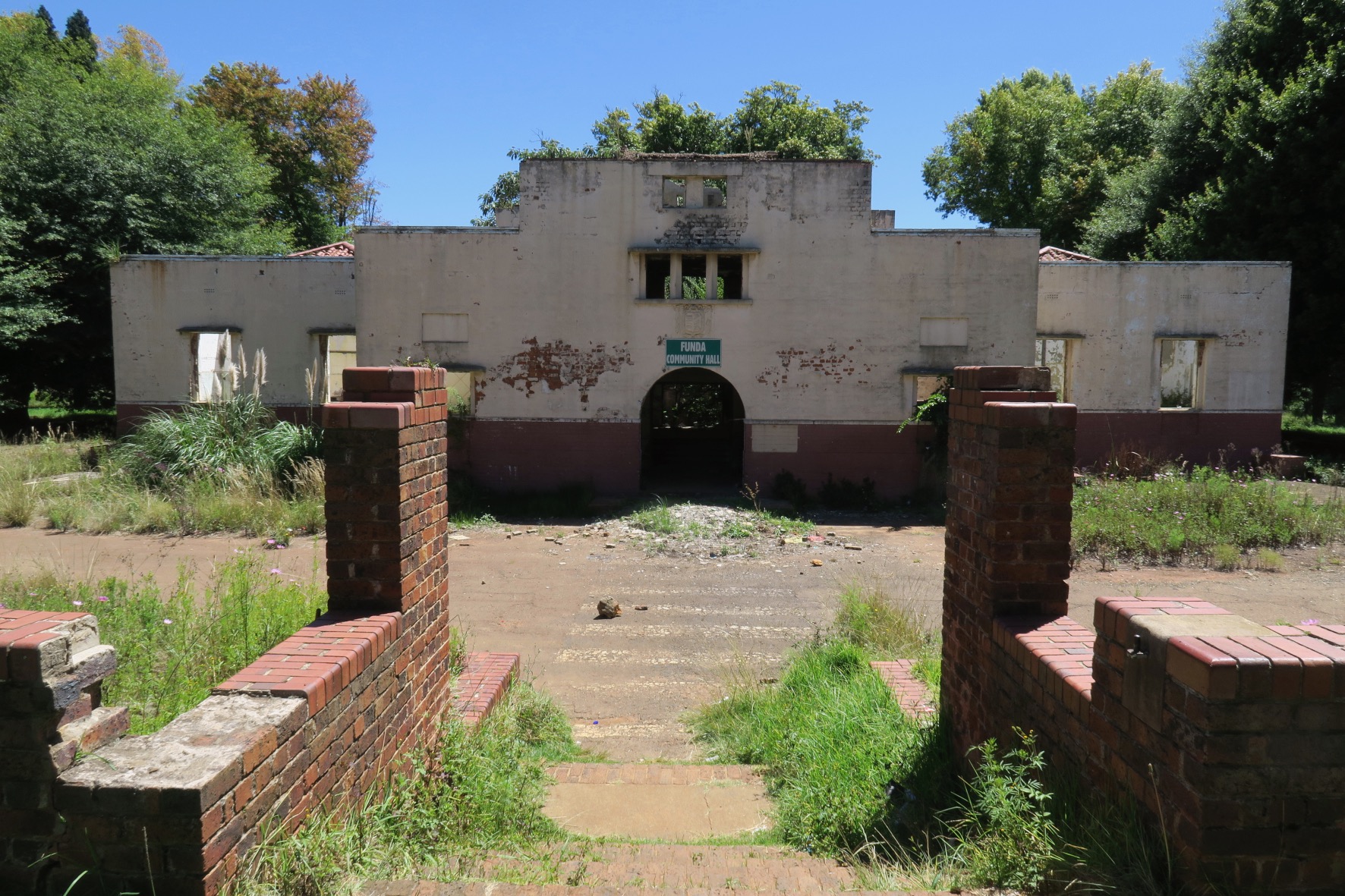
The community hall in Emakhazeni, a block away from the municipality’s offices, has not been repaired since it burned down almost a decade ago. Locals say it is now a drug den.
While the municipality fails to bill correctly or collect rates and taxes, it ran up a deficit of R21-million in the 2024/25 financial year. This was actually an improvement, having incurred a deficit of R101-million the previous financial year.
In the 2024/25 year, water losses amounted to R17-million, with 73% of its purified water going unaccounted. Electricity losses amounted to R55.6-million or 46% of electricity purchases. There was also R5-million in fruitless and wasteful expenditure.
Yet despite this, R13.4-million in conditional grants from other state entities remained unspent.
Across the municipality, infrastructure is visibly deteriorating. Some roads in the town of Emakhazeni (formerly Belfast), the seat of the local municipality, are almost impassable. The once-grand municipal hall is used by ‘nyaope boys’, and the public swimming pool has fallen into ruin, with head-high grass and weeds that were once lawns amidst stately trees.
Entokozweni and Emgwenya (formerly Waterval Boven) are similarly neglected. Dullstroom, which is buoyed by tourism with its famed fly-fishing and buses stopping en route to the Kruger National Park, has residential roads in severe disrepair.
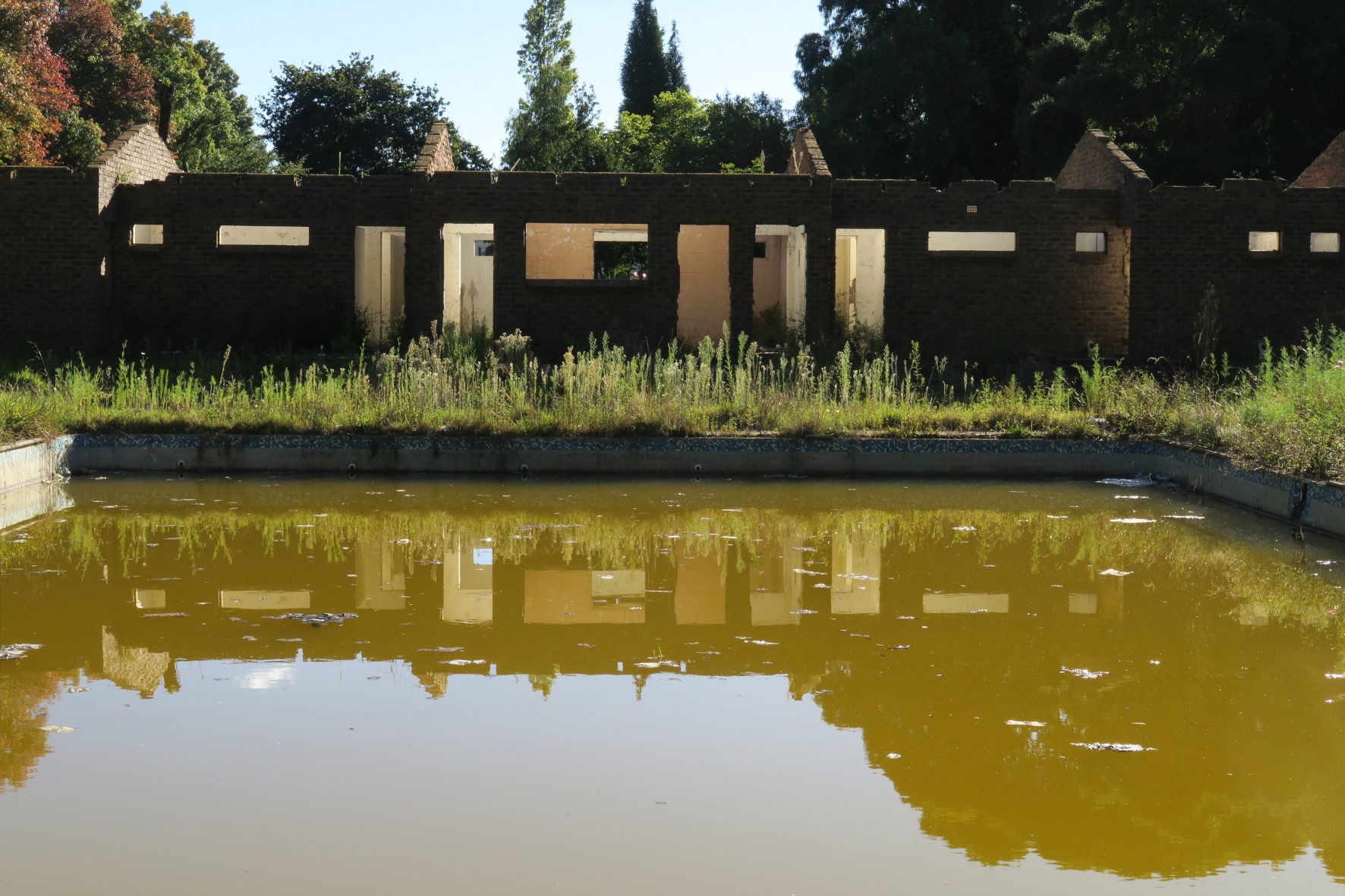
The municipal pool in Emakhazeni, surrounded by impressive trees and what were once picnic grounds, is no longer a refuge for residents on hot days.
New state-subsidised houses unserviced
According to its database, which has not been updated “for quite some time”, the municipality has a backlog of 3,200 houses.
About 300 new homes were built in Emakhazeni, Dullstroom, and Emgwenya by the province. However, when GroundUp visited the housing projects in Emakhazeni and Emgwenya we found they had not been connected to water and roads were rutted dirt tracks.
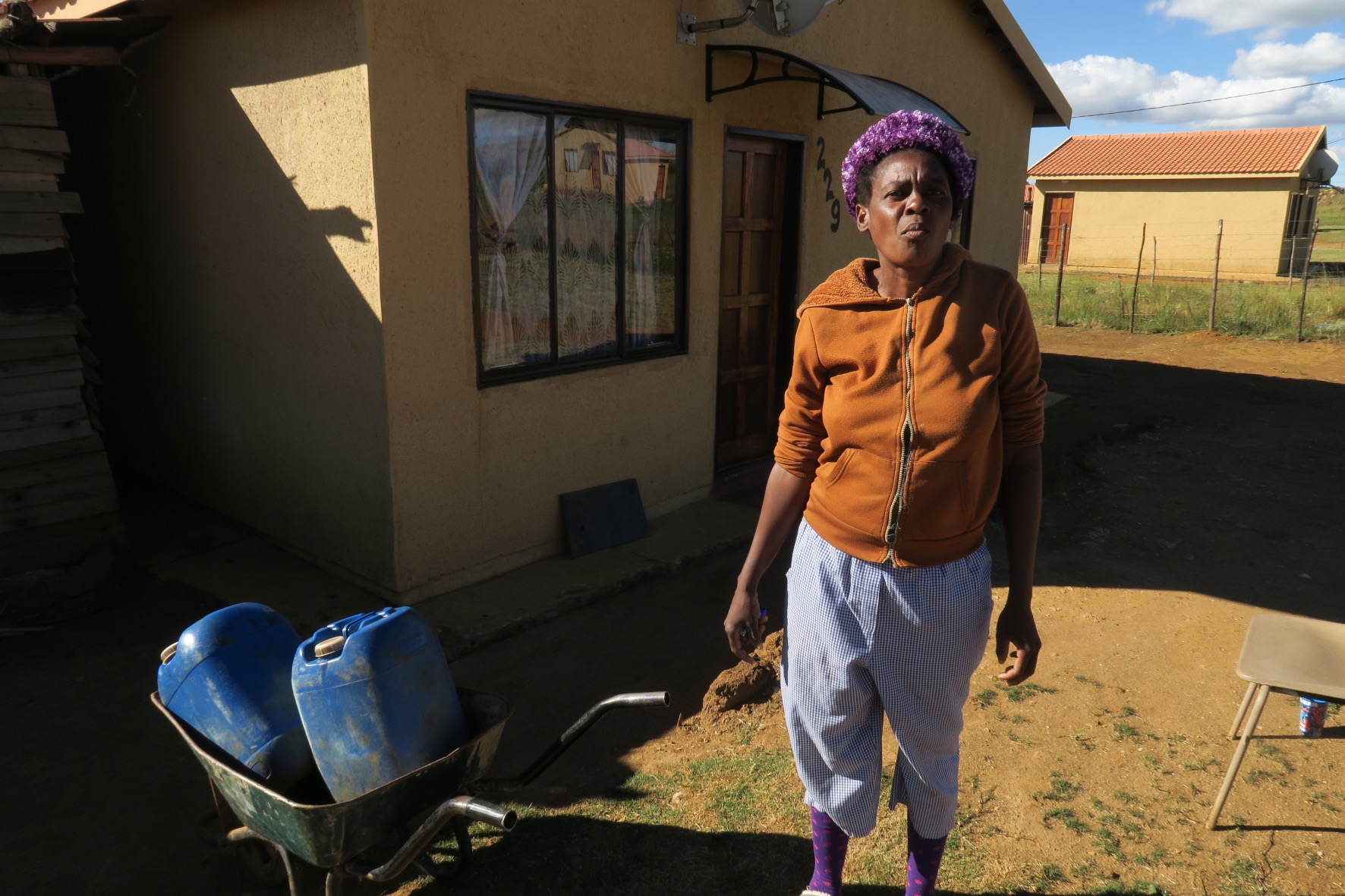
Beauty Sabiya, who moved into her RDP home two years ago, says she fetches water in two 25l containers when the water delivered to the water tank in the street runs out. Water has never been supplied to her house.
Beauty Sabiya moved into her new provincial government-built RDP house in Madala in Emakhazeni two years ago with her husband and 16-year-old child.
Sabiya said although the house has taps, they have never had running water. Instead of receiving water piped from an elevated steel reservoir behind the development, she and her neighbours get water from a tank on the street.
She said the municipality sends a truck to refill the tanks “maybe once or twice a week” but they are often empty, which was the case when GroundUp visited.
The water is not drinkable, she said. For drinking and cooking, she loads two 25-litre containers in a wheelbarrow and fetches water from residents in the old part of Madala which has tap water.
Paulus Mahila, who also lives in one of the houses in Madala, says the water tanks are filled on Sundays, but are empty by midday Tuesdays.
We observed a similar situation at the housing project in Gugulethu in Emgwenya, where houses also rely on water tanks and have uneven dirt roads.
Entokozweni ward councillor Didi Hepburn (DA) said no bulk infrastructure was laid down before the houses were built.
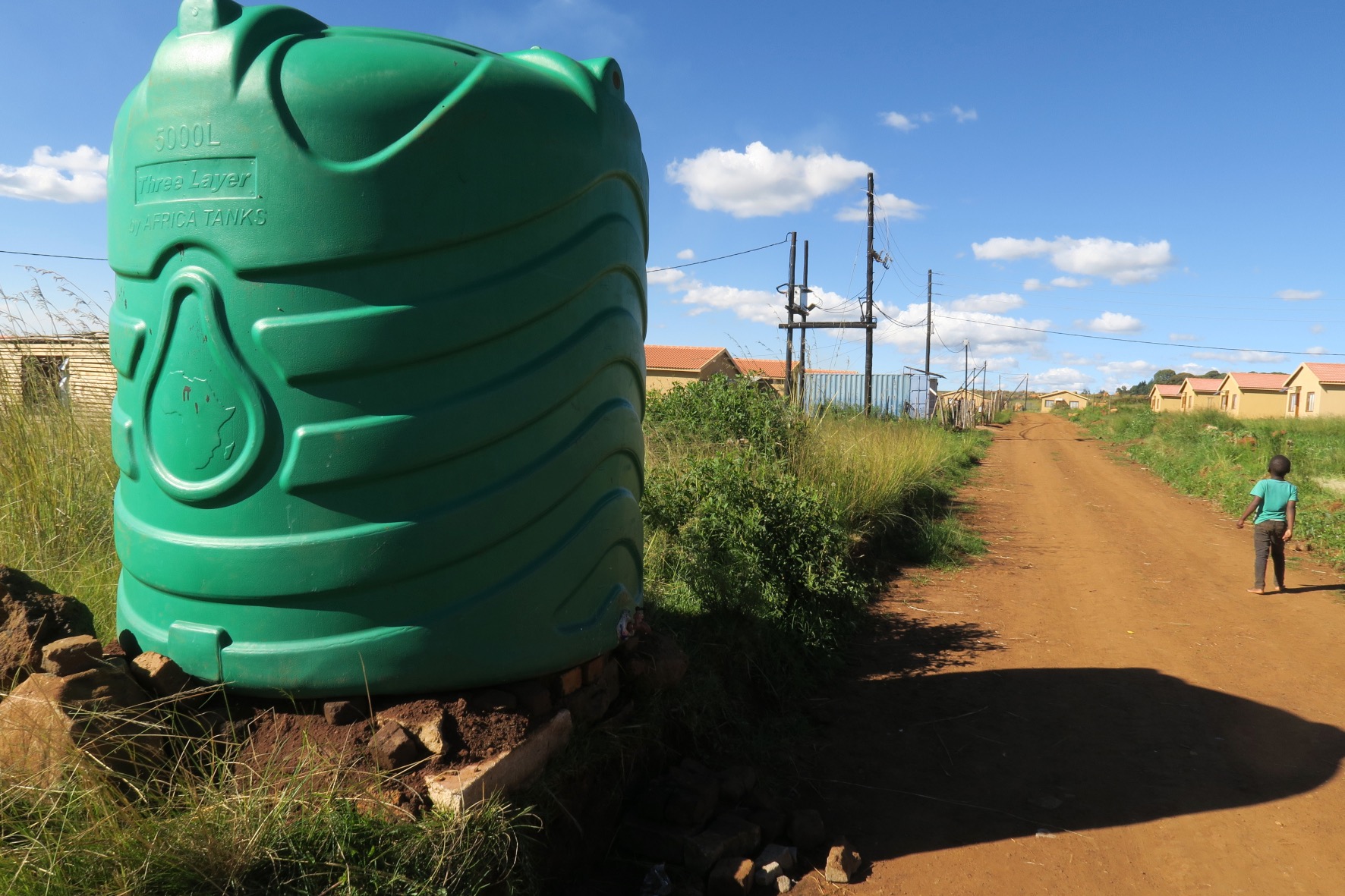
When water tanks in the new Madala extension in Emakhazeni are filled on a Sunday they are empty by Tuesday afternoon, says resident Paulus Mahila.
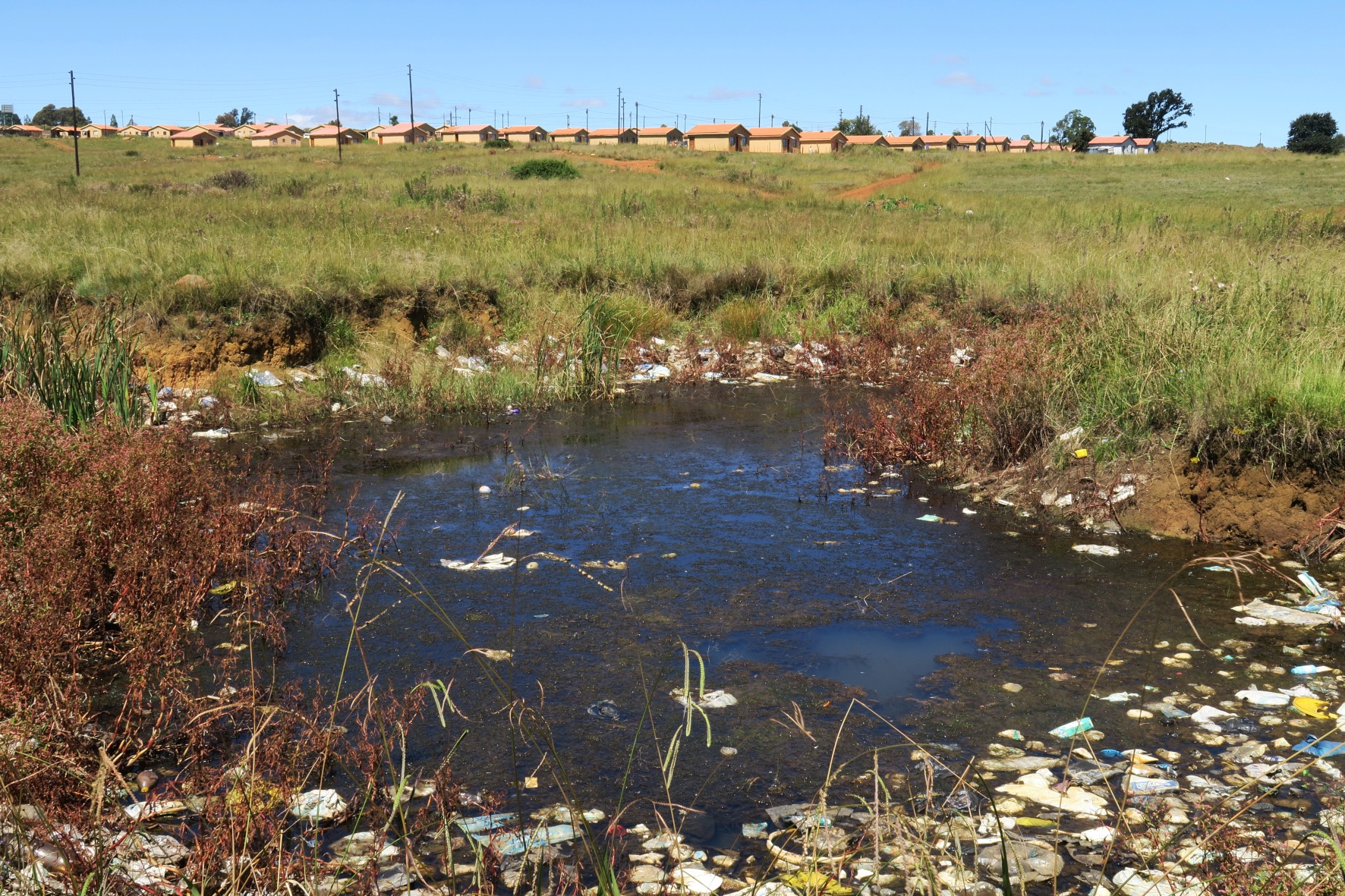
When residents of the new state-built houses in Madala, Emakhazeni, flush their toilets, the sewage ends up here. According to a ward councillor, bulk infrastructure such as water and sewerage was not installed when the houses were built.
Discoloured drinking water
Residents whose properties are connected to the water reticulation system say their taps are often dry.
Sipho Mthethwa, who has lived in the township of Sakhelwe, Dullstroom, said daily water outages start by noon and end around 4pm.
Mthethwa, who works at a fly-fishing shop, said he used to have “stomach problems” but not since he stopped drinking the tap water. Instead, he gets water from one of three boreholes in the town.
While staying in Emgwenya from 9 to 14 March, GroundUp experienced a day of no water supply followed by two days of low pressure, too low to fill the geyser. The water was muddy and remained discoloured for days. Municipal workers were seen working until 11pm to fix a serious leak.
Data on the Department of Water and Sanitation’s Integrated Regulatory Information System appears to support residents’ mistrust of the water quality.
When GroundUp checked the DWS information system on 23 March, only the Dullstroom treatment works appeared to have done any mandatory testing, and only for one of six quality indicators – microbiological contaminants with acute health effects (such as E.coli), for which it had greater than 99.9% compliance. The other five indicators had not been monitored this year. Indicators for chemical composition affecting acute health and chronic health were at 0%.
All six quality indicators at the other three water treatment works in the municipality were at 0%, as no test results had been uploaded.
When GroundUp inquired about the lack of compliance, DWS spokesperson Wisane Mavasa said the department met with the municipality on 26 and 27 February “to discuss data upload procedures”.
By 30 March, new results had been loaded, showing all four water treatment works achieved greater than 99.9% compliance on microbiological contaminants and operational compliance.
But these results appear to be from a single set of test results this year, and compliance for monitoring chemicals and aesthetic parameters (such as discolouration) remain absent.
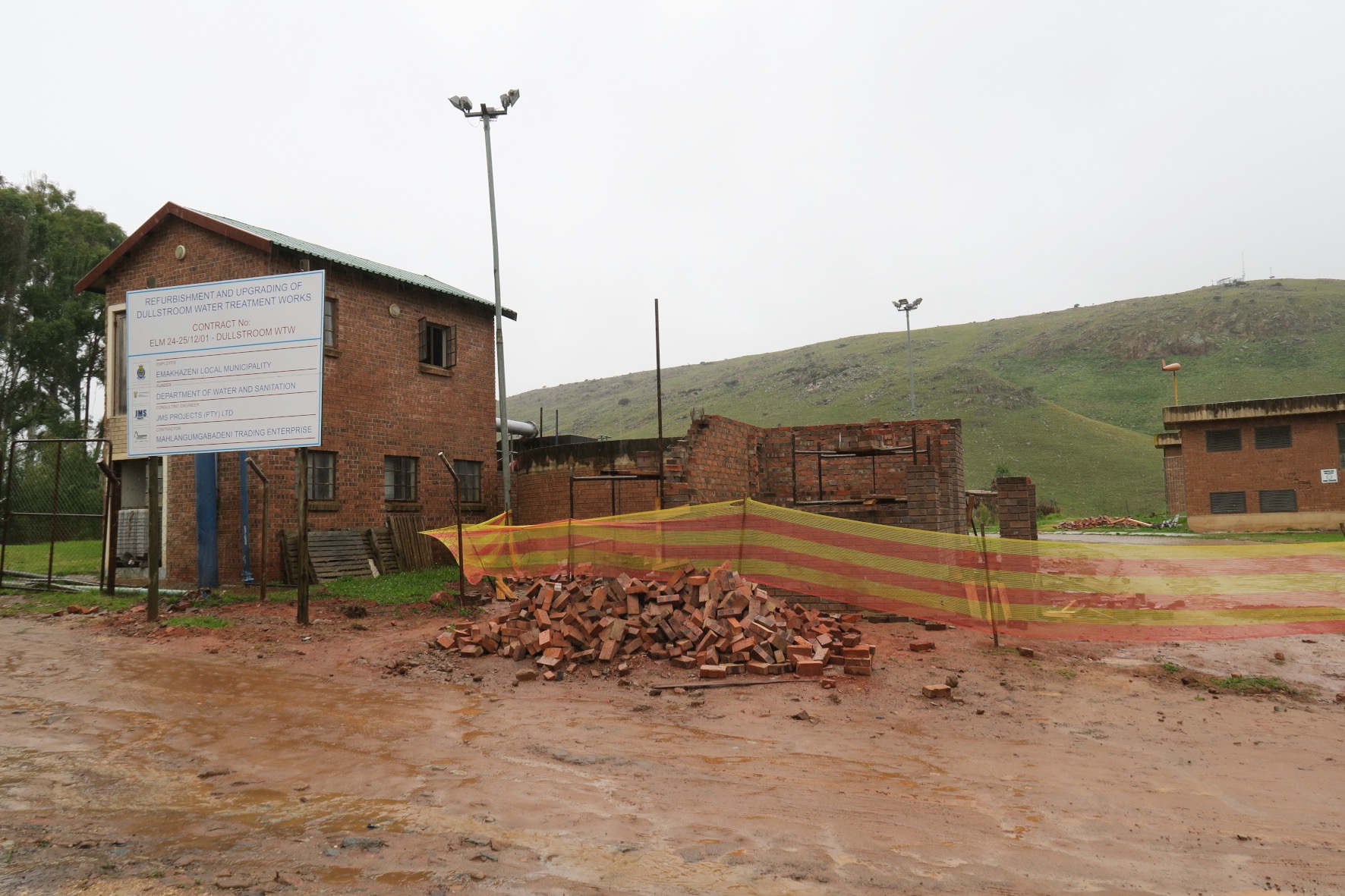
The water treatment works at Dullstroom are being upgraded.
Cumulative results from 2025 show only the Belfast treatment works was treating water to acceptable standards. The Dullstroom, Emgwenya and Entokozweni treatment works all failed various quality indicators and quality monitoring was below 10%.
In 2023 the DWS placed the municipality under “regulatory surveillance” and the municipal manager was required to submit a detailed corrective action plan. Upgrades to the Entokozweni water treatment works have been completed, with upgrades to the Dullstroom treatment works in progress.
Rivers polluted by sewage
The situation is worse for wastewater treatment. The municipality’s four wastewater treatment works (Belfast, Emgwenya, Entokozweni, and Dullstroom) have a combined designed capacity to treat 9,400Kl of sewage per day, according to the DWS’s Green Drop Progress Report released on 31 March.
The combined available capacity is 6,800Kl per day, but only about 1,000 Kl per day of sewage is reaching the works. One can conclude that millions of litres of sewage must be flowing daily into streets, vleis, streams, and rivers from leaks in the sewerage system.
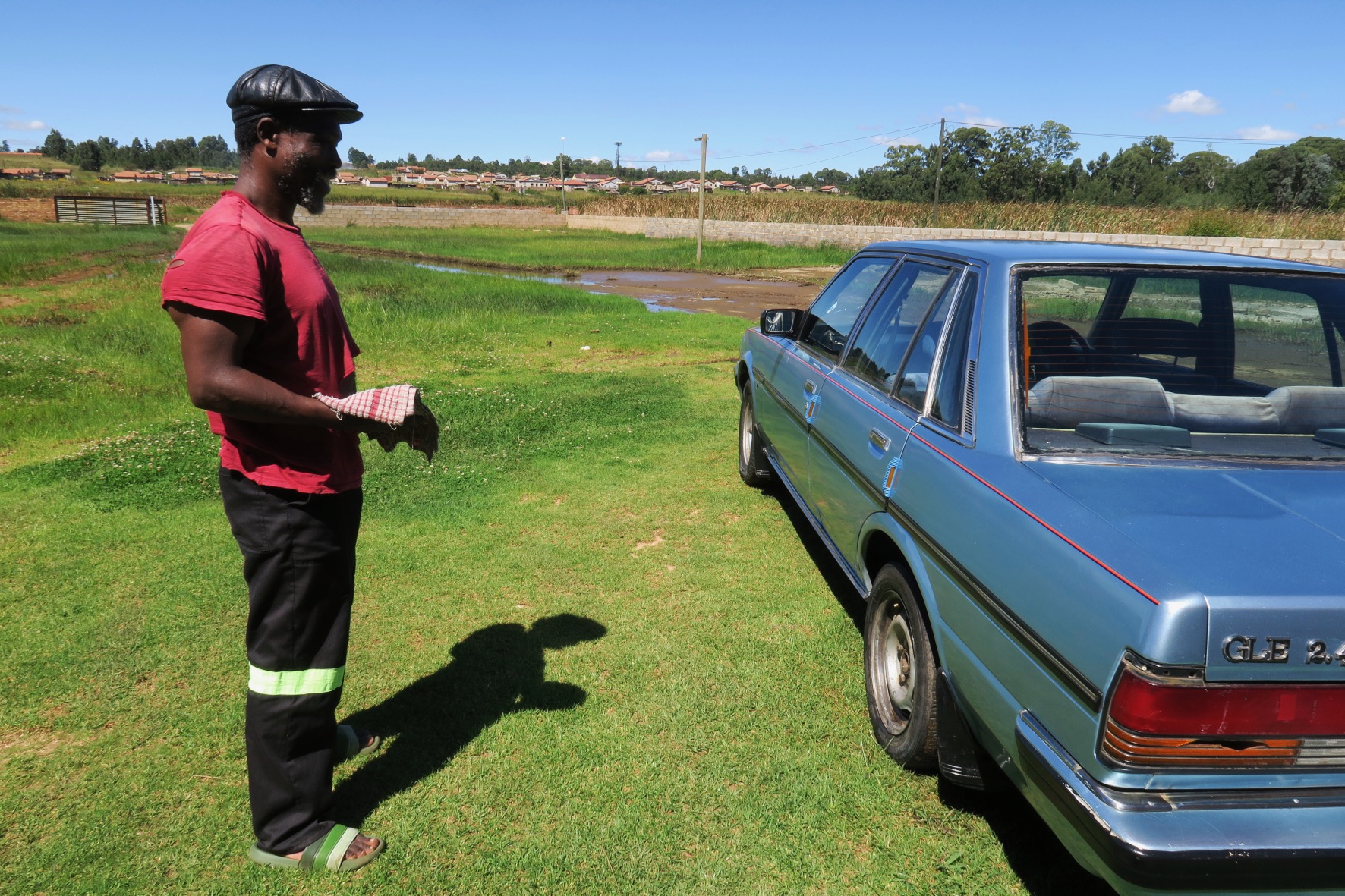
Truck driver Dennis Dladla cleans his classic Toyota Cressida in the yard of the house where he rents a room. In order to get to the house, he has to drive through a pool of raw sewage in the yard, which can be seen in the background. He and other tenants have laid steppingstones around the yard to get to the street. He says the municipality occasionally sends a honeysucker to drain the sewage, but that only lowers its level, and it floods back in from an adjacent vlei within a day. The sewage stems from major leaks in the sewers upstream of the vlei.
Most of the sewage that does reach the treatment works is also not being treated. A visit to the Emthonjeni wastewater treatment works in Entokozweni revealed none of the machinery, such as aerators and clarifiers, were operational. Staff said there was also no chlorine to treat the sewage, which is released into the Leeuspruit. This then flows into the Elands River, from which Emgwenya downstream draws its drinking water.
The Green Drop report states that the Belfast, Emgwenya, and Emthonjeni wastewater treatment works are all in a “high risk state” and “characterised by cascading failures across multiple risk categories – energy, equipment reliability, security, theft and vandalism”.
The municipality, which has had a stable ANC majority of 64%, failed to respond to emailed questions. The advertised phone numbers, including for their spokesperson, no longer exist.
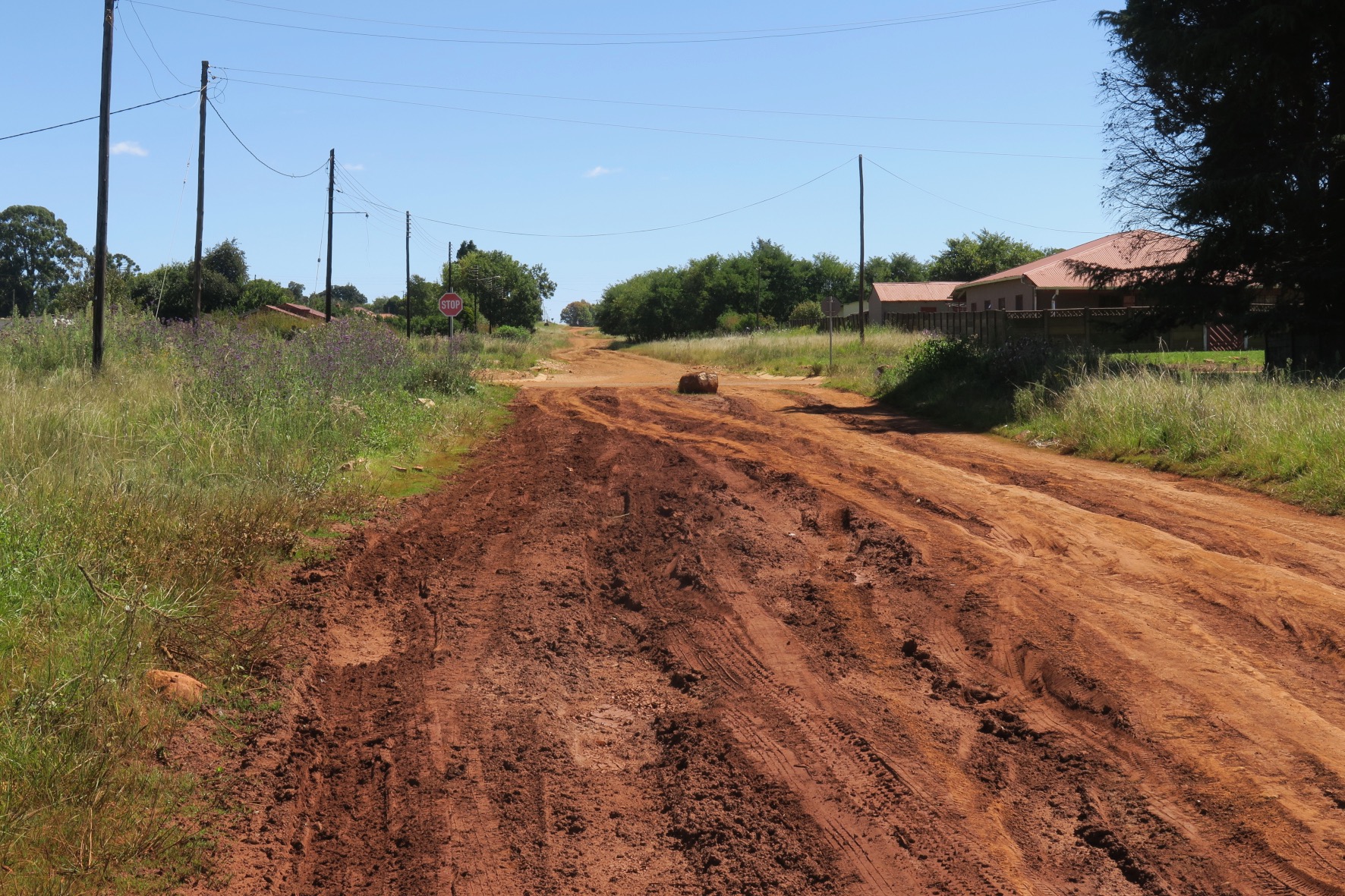
A residential street in Emakhazeni. Few residential roads are tarred.
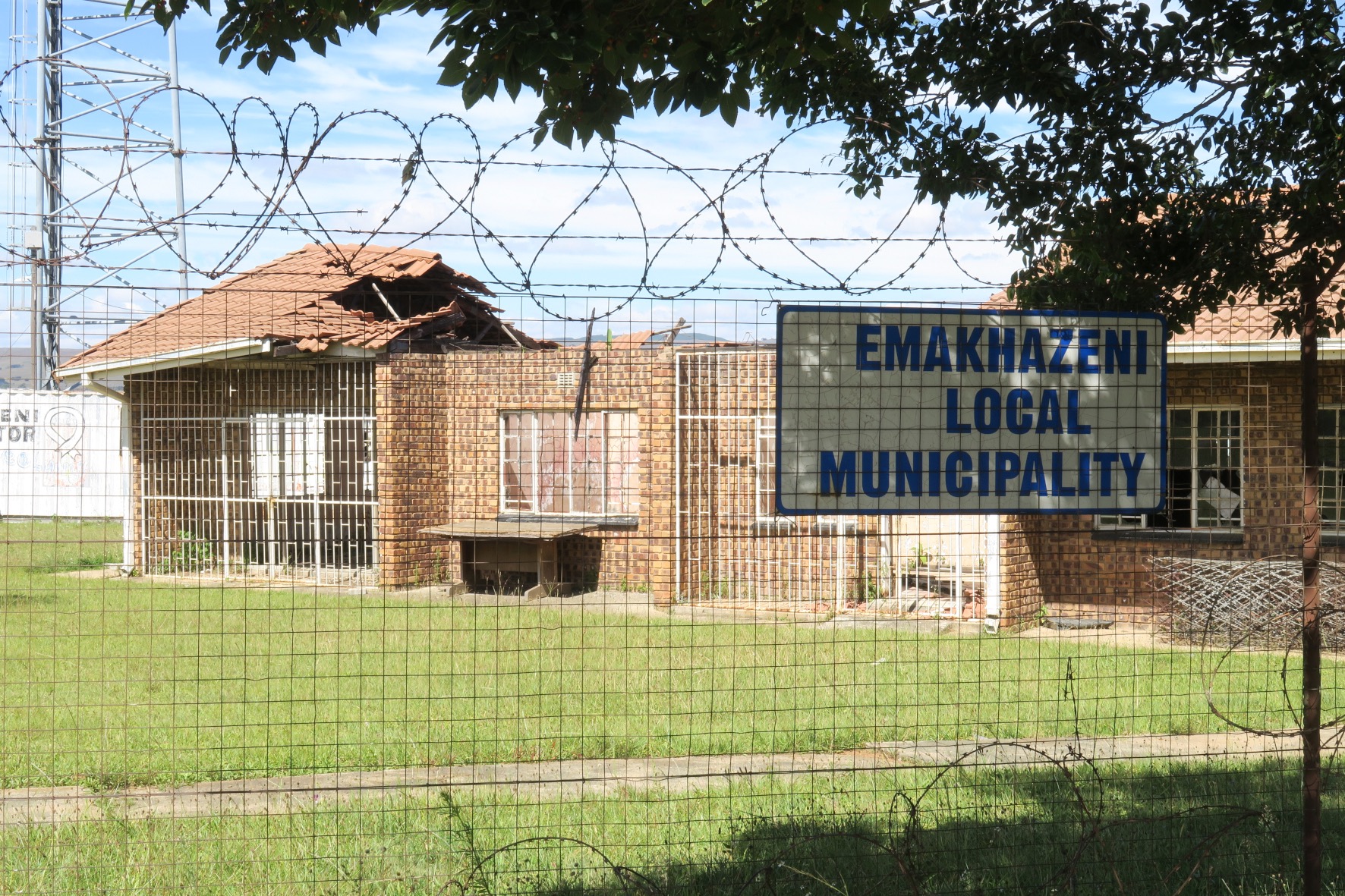
The local municipal office in Emthonjeni township, Entokozweni, was burned down during a protest in 2022, according to a security guard at the site. It has not been repaired and no services are offered at the building.
Support independent journalism
Donate using Payfast

Don't miss out on the latest news
We respect your privacy, and promise we won't spam you.
Next: How criminal cops escape justice
Previous: Judge orders Tark Group directors to personally repay covid contract profits
© 2026 GroundUp. This article is published under the GroundUp Republication Licence Version 1.0. Email info@groundup.org.za to request permission to republish.