
The mountain men behind Lesotho’s wool wealth
More than 80,000 herders tend the country’s sheep and goats
 Add GroundUp on Google
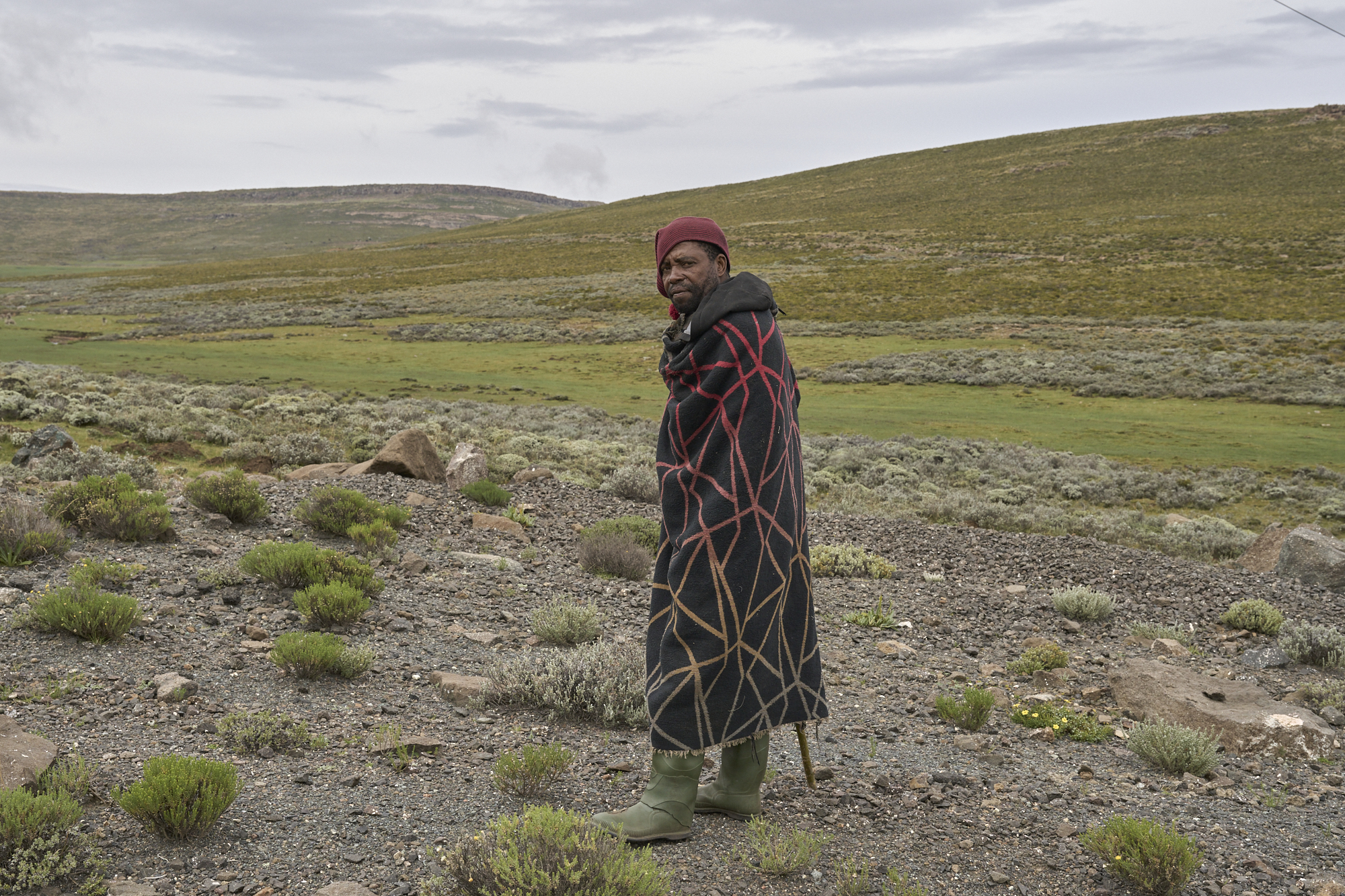
Khotso Tšoeu spends his days guiding hundreds of sheep into the valley in Lesotho’s mountains. He is among thousands of herders who tend livestock that produce some of the world’s finest mohair and wool. Photos: Barry Christianson
At dawn in the highlands of Mokhotlong, the sheep begin to move before the sun fully reaches the mountain slopes. Wrapped in a thick Basotho blanket against the cold, Khotso Tšoeu whistles from a rocky ridge above Lekhalong-la-Lithunya, guiding hundreds of sheep slowly into the valley below.
For months at a time, this remote stone hut in Lesotho’s mountains is his home.
Tšoeu is responsible for 500 sheep and 50 goats belonging to his employer. The goats have already been driven to Matsoku for dipping, part of the process farmers follow to protect the quality of wool and mohair that will eventually be sold on international markets.
Video: Ashraf Hendricks

“We dip the sheep and goats, vaccinate them, and give them medicine to ensure that the wool and mohair are clean and of good quality,” he says. “We start shearing goats on the first of April. We hope to finish towards the end of May so that the mohair will have started growing again by the time winter arrives.”
Across Lesotho’s rugged highlands, thousands of herders like Tšoeu spend their lives tending livestock that produce some of the world’s finest mohair and wool. In a country where formal employment opportunities remain limited, the wool and mohair industry is an economic lifeline as well as a way of life.
Mokoinihi Thinyane, chairperson of the Lesotho National Wool and Mohair Growers’ Association, says the association has around 40,000 members nationwide.
“When you look at these 40,000 members, each farmer employs at least two herders on average,” says Thinyane. “If you calculate that average across all members, you find there are around 80,000 herders employed. That is only an average. For example, I have five herders. Another member may have ten herders, and so on.”
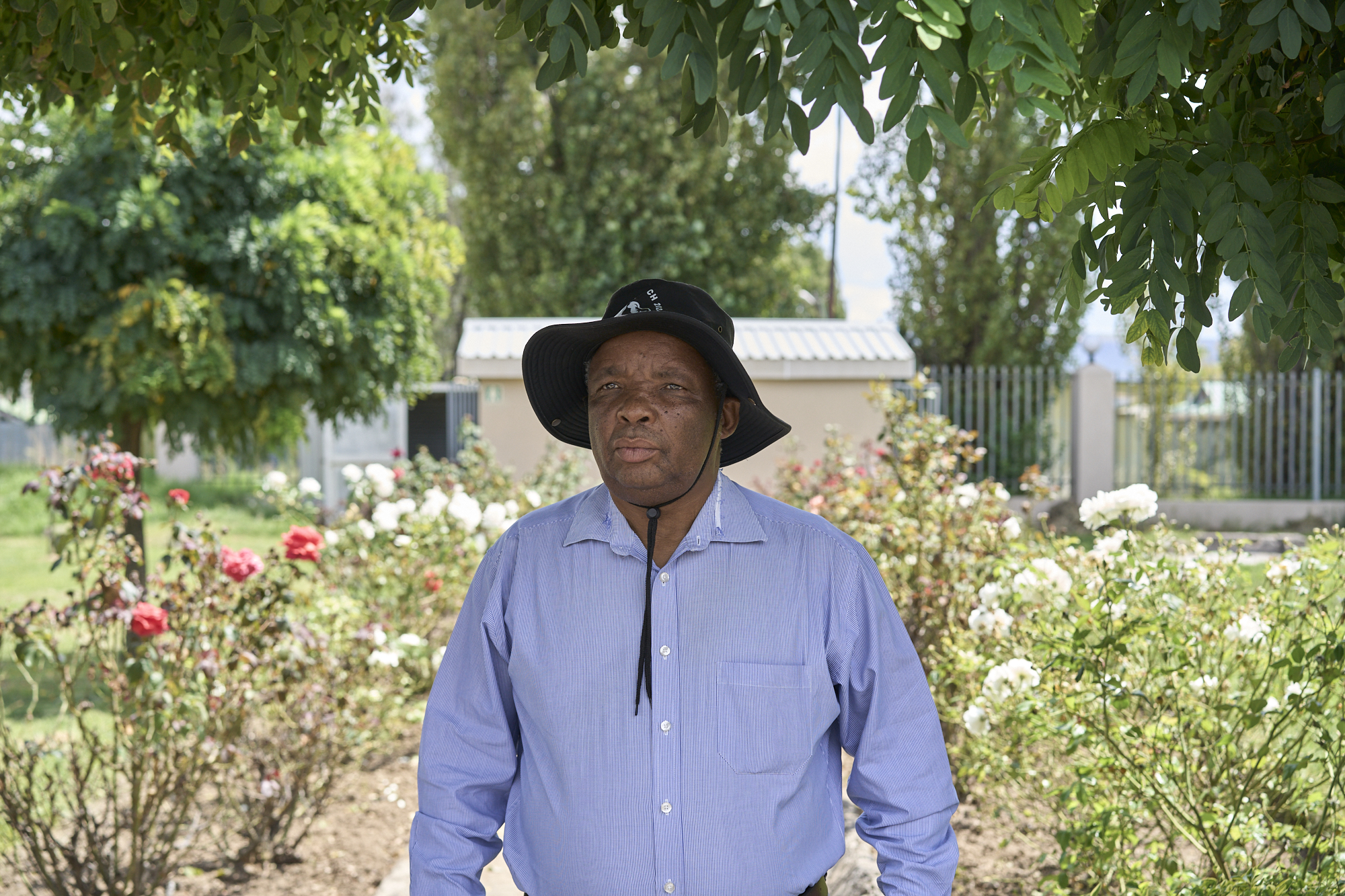
Mokoinihi Thinyane, chairperson of the Lesotho National Wool and Mohair Growers’ Association, outside his office. He says the association has around 40,000 members nationwide.
Thinyane estimates that when dependents and farming families are included, roughly 320,000 Basotho rely directly on wool and mohair for survival.
“This is our way of life. I used to work in the South African mines at Matlatsane but left in 1993 when my eldest son was in Standard 5.” Thinyane says. “I have since then educated my children all the way to university using income from wool and mohair, as well as from selling live animals.”
For herders such as Tšoeu, the work offers something increasingly rare in rural Lesotho: a stable income. “My employer pays me yearly, not monthly,” he explains. “He gives me either 12 sheep or M12,000 per year.”
Though the pay arrives only once a year, the arrangement provides more than cash. His employer regularly brings maize meal, vegetables, beans and tobacco to the isolated mountain post.
“When the beans or vegetables are finished, I collect wild plants to eat with pap so that I can survive,” he says. “But when my employer is around, he can slaughter a sheep or goat for me.”
The mountains can feel harsh and lonely. Yet despite the isolation, Tšoeu speaks with pride about the work. He has already spent eight months at the post and sees livestock not only as his employer’s wealth, but as the beginning of his own future.
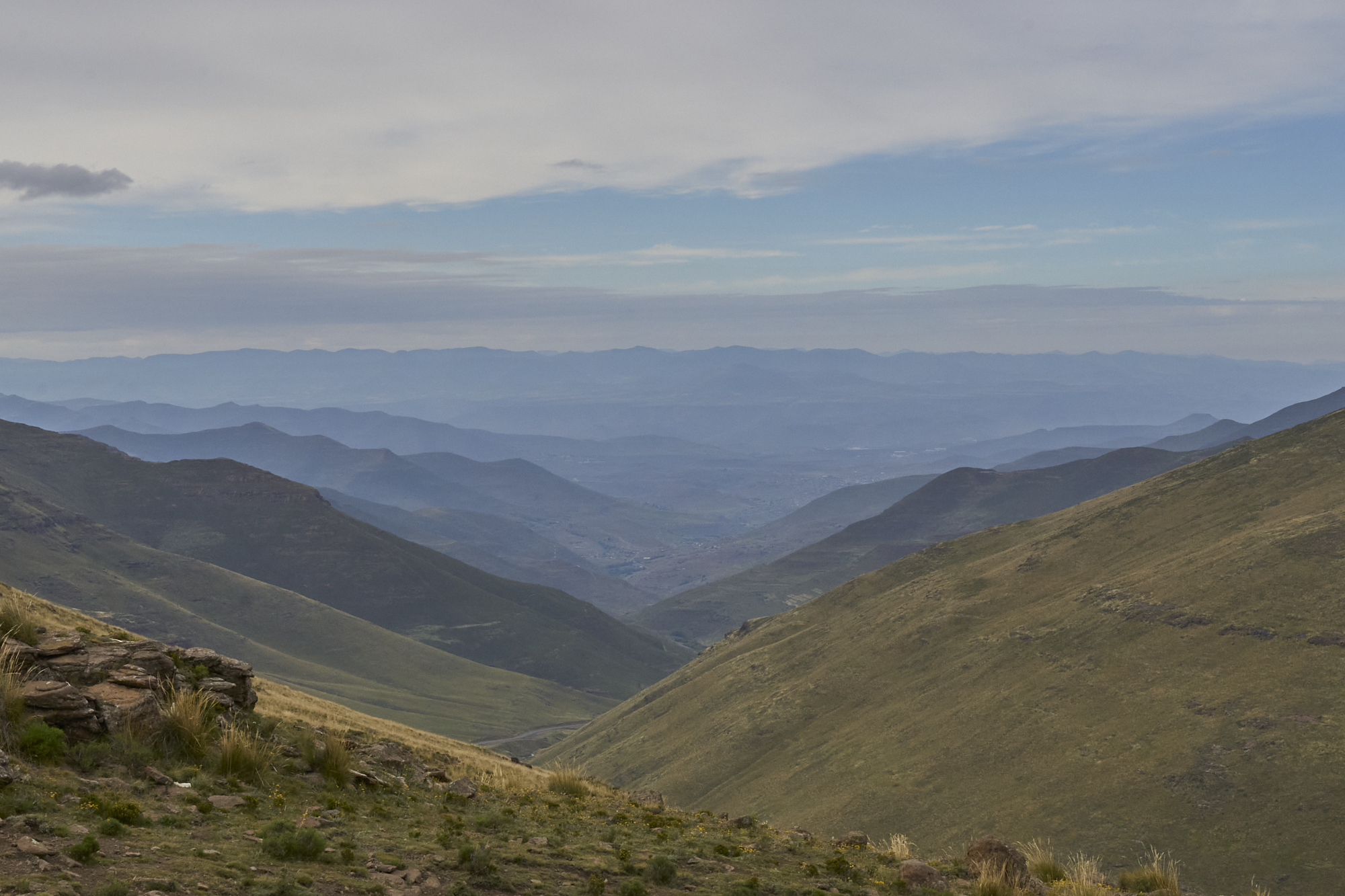
The Lesotho Highlands close to Mokhotlong.
Each year, after receiving his wages, he invests in his own animals. “When I receive the M12,000 each year, I buy sheep,” he says with a grin. “Right now, I already own 30 sheep and earn at least M6,000 from their wool each year.”
In Lesotho’s rural economy, sheep are more than livestock. They are savings accounts, investment portfolios and status symbols.
“Yes, I earn from my own wool,” laughs Tšoeu. “I am also able to date girls. I am not married, so I give some of the money to my girlfriends.”
For generations, Lesotho’s economy depended heavily on migrant labour to South African mines. But as mining jobs declined, many rural households turned back to livestock production. Today, wool and mohair have become one of the country’s most valuable agricultural exports.
“During the 2024–2025 season alone, around M800-million entered the country through wool and mohair sales,” says Thinyane.
That does not include the sale of animals for meat or breeding.
“Our wool is sold on the international market through Port Elizabeth in South Africa, where the International Wool Textile Organisation testing centre is located,” he explains. “Before wool is sold, it is tested there. Buyers then compete through auctions, and prices are determined.”
Thinyane says Lesotho is internationally known for high-quality mohair from Angora goats, prized in luxury fashion and textile industries for its softness and durability.
But the industry’s success depends heavily on the painstaking work done by herders like Tšoeu who spend freezing winters and scorching summers caring for livestock in the remote mountains.
At Lekhalong-la-Lithunya, the rhythm of the day revolves entirely around the animals: moving sheep to fresh grazing land, monitoring disease, protecting flocks and preparing for shearing season.
Back on the mountain ridge, Tšoeu watches as his sheep disappear into the valley mist. Around him, silent except for the distant sound of bells hanging from the animals’ necks, the landscape stretches away for kilometres.
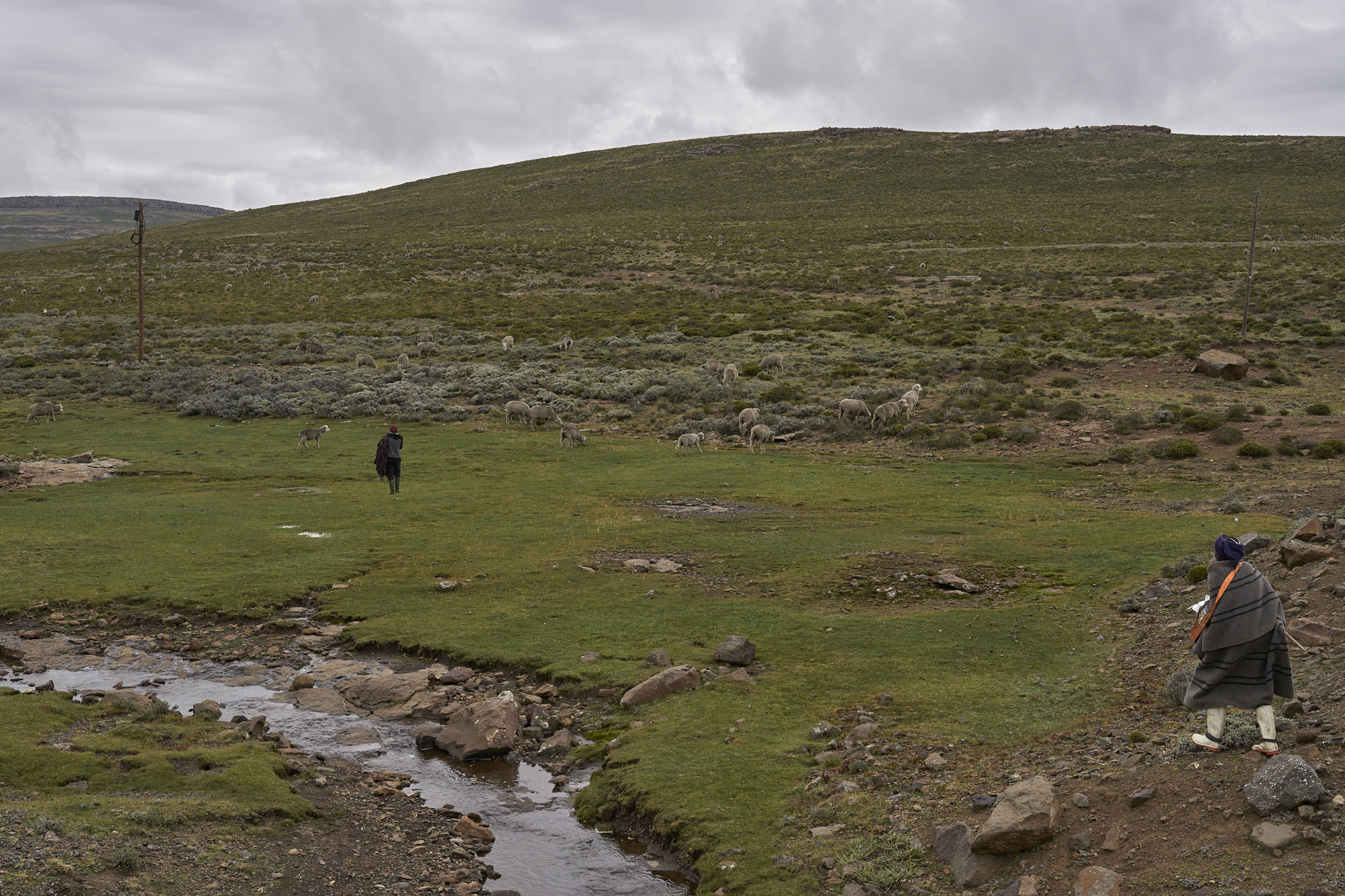
Khotso Tšoeu (left) and another herder with a flock of merino sheep in Lesotho’s highlands, close to Mokhotlong.
Support independent journalism
Donate using Payfast

Don't miss out on the latest news
We respect your privacy, and promise we won't spam you.
Letters
Dear Editor
It is disheartening that someone who needs to be at school will live under inhospitable weather conditions in the mountains for years just for 12 sheep or twelve thousand per annum and rejoice at an income of M6,000.00 per year.
No one is bothered in mid-2026 - from the government, it's business as usual. Our people are suffering as no one is even thinking of proper camps with infrastructure and sanitation, access to the internet, and so on. The very same mountains bear the Kingdoms precious stones but people still live in poverty.
Dear Editor
I’m deeply disappointed by this article. It appears to gloss over the most important issue in the story: the gross exploitation of the people whose labour underpins an industry generating M800 million in income.
A man responsible for 500 sheep and 50 goats is reportedly paid either 12 sheep or M12,000 a year, while describing maize meal, vegetables and tobacco from an anonymous employer as part of what sustains him. Where is the scrutiny of that arrangement? Who are the employers? Who owns the livestock? Who ultimately benefits from the value created by these herders? What protections, labour rights or minimum standards apply to them?
What was the journalistic purpose of telling readers that this man has girlfriends? That detail adds little to our understanding of his working conditions or the economics of the industry, while the far more consequential question of whether these workers are being fairly compensated is left largely unexplored.
GroundUp has built its reputation on reporting that gives visibility to people whose working and living conditions might otherwise remain unseen. This article makes those conditions visible, but seems remarkably unwilling to interrogate them. That is deeply disappointing and, to me, feels like a departure from the kind of journalism I have come to expect from GroundUp.
© 2026 GroundUp. This article is published under the GroundUp Republication Licence Version 1.0. Email [email protected] to request permission to republish.