
Three die when house collapses in Soweto
Confusion over whether area is illegally occupied
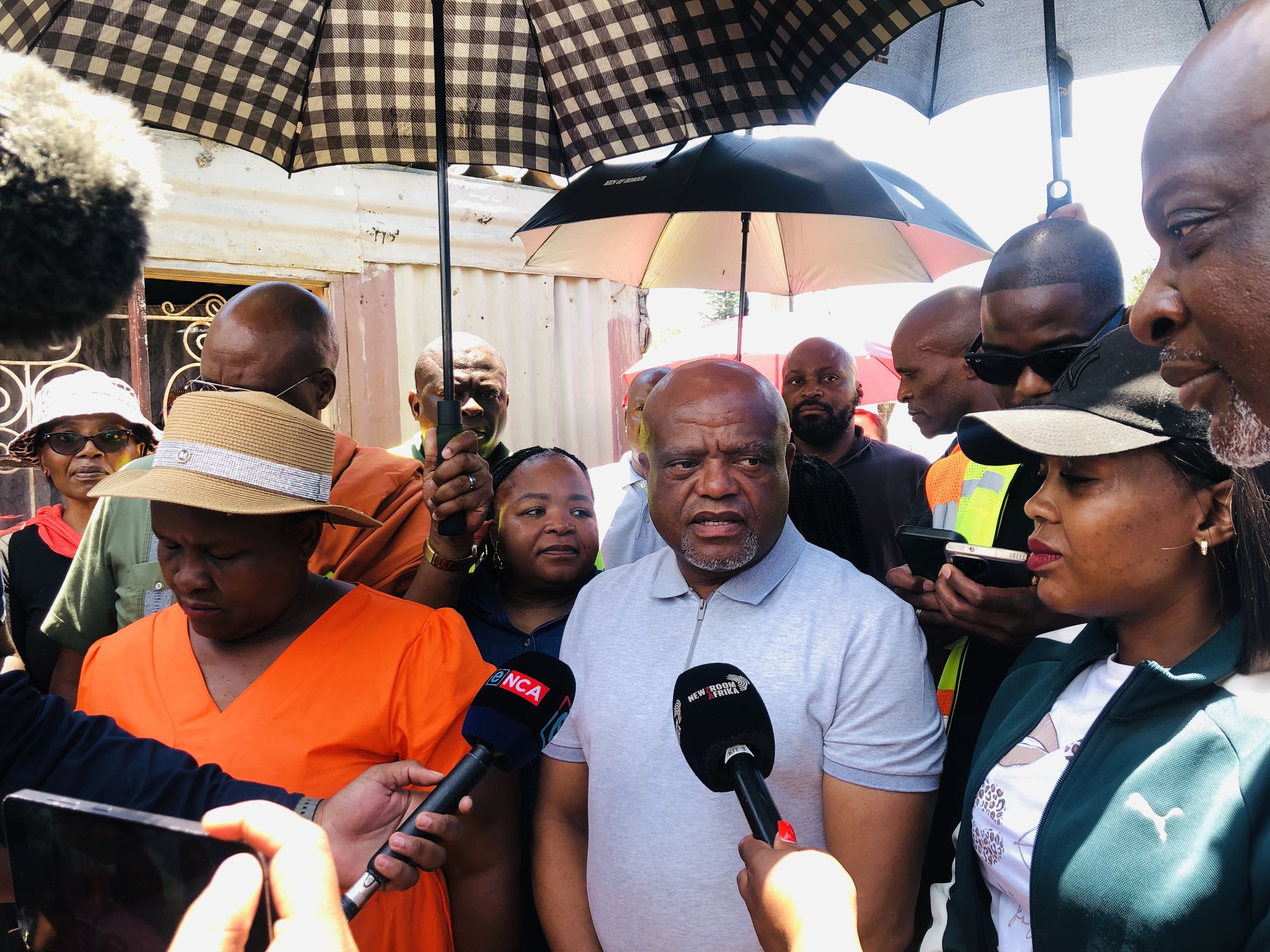
Johannesburg mayor Dada Morero visits the scene of a collapsed house in Soweto. Photos: Kimberly Mutandiro
- Three people died on 28 December after their home collapsed at Snake Park informal settlement in Soweto
- Residents say they were legally allocated the land and some have title deeds
- But the local councillor says the settlement is illegal and was declared unsafe for habitation by the City of Johannesburg years ago.
- Mayor Dada Morero said all the occupants would be moved from the land and reallocated to a safer place
On Saturday evening Hloniphile Xaba (60), her daughter Nqobile (24) and Nqobile’s toddler, Langelihle, went to bed. But early Sunday morning all three died when the old building structure they lived in at the Snake Park informal settlement, in Doornkop, Soweto, collapsed.
Neighbours say the settlement was hit by strong rains during the previous week. On Saturday evening there were also strong winds, which they believed may have caused the Xaba house to collapse.
According to Zinhle Xaba, the Hloniphile’s daughter, the family moved to the settlement in 2021.
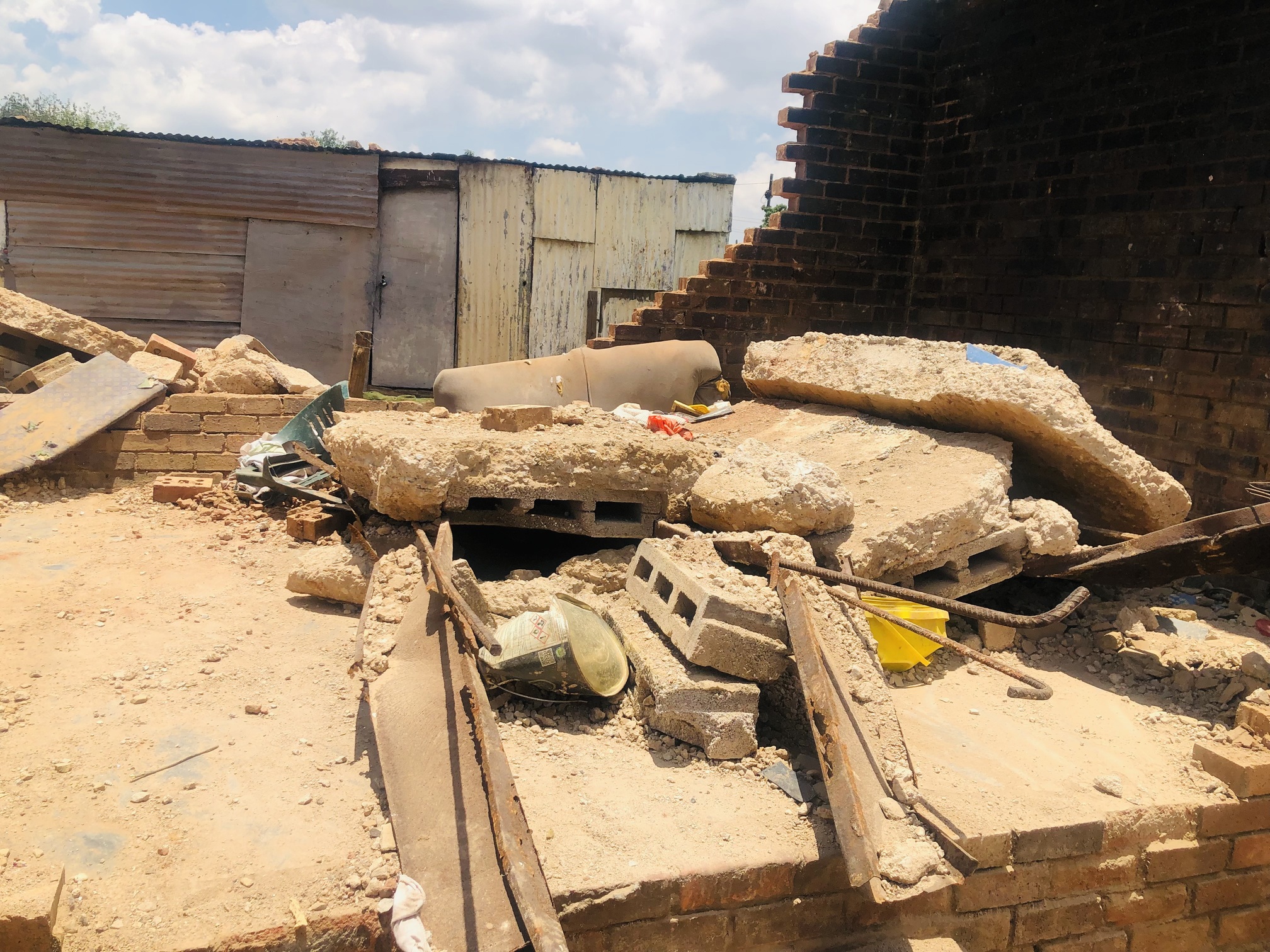
This is the house that collapsed.
Councillor for the area (ward 129), Phumlile Shange says the family had been moved from a shack on the opposite side of the road after the settlement was flooded in 2023. But she added that the settlement was illegal.
“The land was declared dolomitic by the City of Joburg and many people were moved from the area. People who are in the settlement currently are illegal occupants,” said Shange.
On Monday, Johannesburg mayor Dada Morero, mayco member for infrastructure Mlungisi Mabaso and representatives from the Collen Mashawana Foundation visited the family.
Morero said all illegal occupants would be moved from the land and reallocated to a safer area. However, he did not give a specific timeline. The Collen Mashawana Foundation committed to building a safer temporary structure for the Xaba family while they await proper relocation.
Here to stay
Community representatives report that the settlement, which has over 160 households, started in about 2001. Residents were provided with toilets. While electricity poles were erected in 2024, electricity has yet to be connected, and the settlement has no water.
Tiny Dhlamini, who claims to have a title deed for one of the stands in the settlement, said she moved to the settlement in 2002. She says the community later received reports that the land was unsuitable for development. While some people were moved to Tshepisong, many remained in the settlement, hoping for development.
“Many of us were confused because we already had title deeds. If the area was properly developed and proper RDP houses were built, the tragedy that occurred at the Xaba house would not have occurred,” said Dhlamini. (GroundUp has a copy of Dhlamini’s deed of transfer but we have not had a chance to analyse it.)
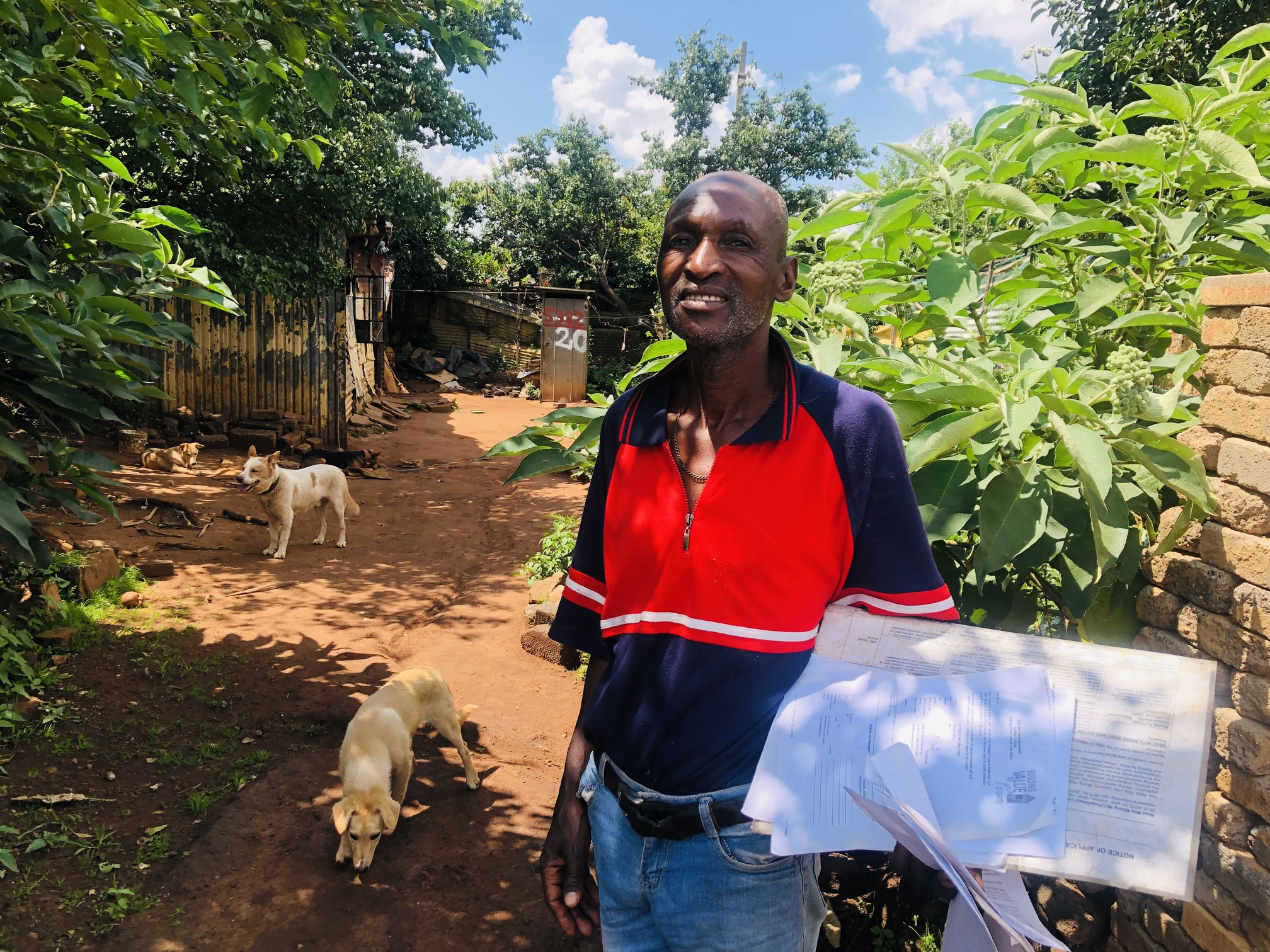
John Dumbu says he has lived in the area since 2001.
John Dumbu, who claims to have lived in the area since 2001, who also claims to have a title deed, said he does not want to move from his home. He says while some people had been moved to Tshepisong some years back, he had not been able to get a place.
Dumbu said he will fight to keep his home because it’s the only place he has.
“I have all the paperwork to prove that my home was legally allocated by human settlements. They need to fix and develop the settlement to allow us to continue living here safely,” he said.
Support independent journalism
Donate using Payfast

Don't miss out on the latest news
We respect your privacy, and promise we won't spam you.
Next: Lesotho army admits teenagers were sexually harassed
Previous: Tsotsi star’s house, bought with lottery funds, frozen by Special Tribunal
© 2025 GroundUp. This article is licensed under a Creative Commons Attribution-NoDerivatives 4.0 International License.
You may republish this article, so long as you credit the authors and GroundUp, and do not change the text. Please include a link back to the original article.
We put an invisible pixel in the article so that we can count traffic to republishers. All analytics tools are solely on our servers. We do not give our logs to any third party. Logs are deleted after two weeks. We do not use any IP address identifying information except to count regional traffic. We are solely interested in counting hits, not tracking users. If you republish, please do not delete the invisible pixel.