
A new R486-million water system, but the taps are still dry in these Limpopo villages
Vhembe District Municipality insists families will have water soon
 Add GroundUp on Google
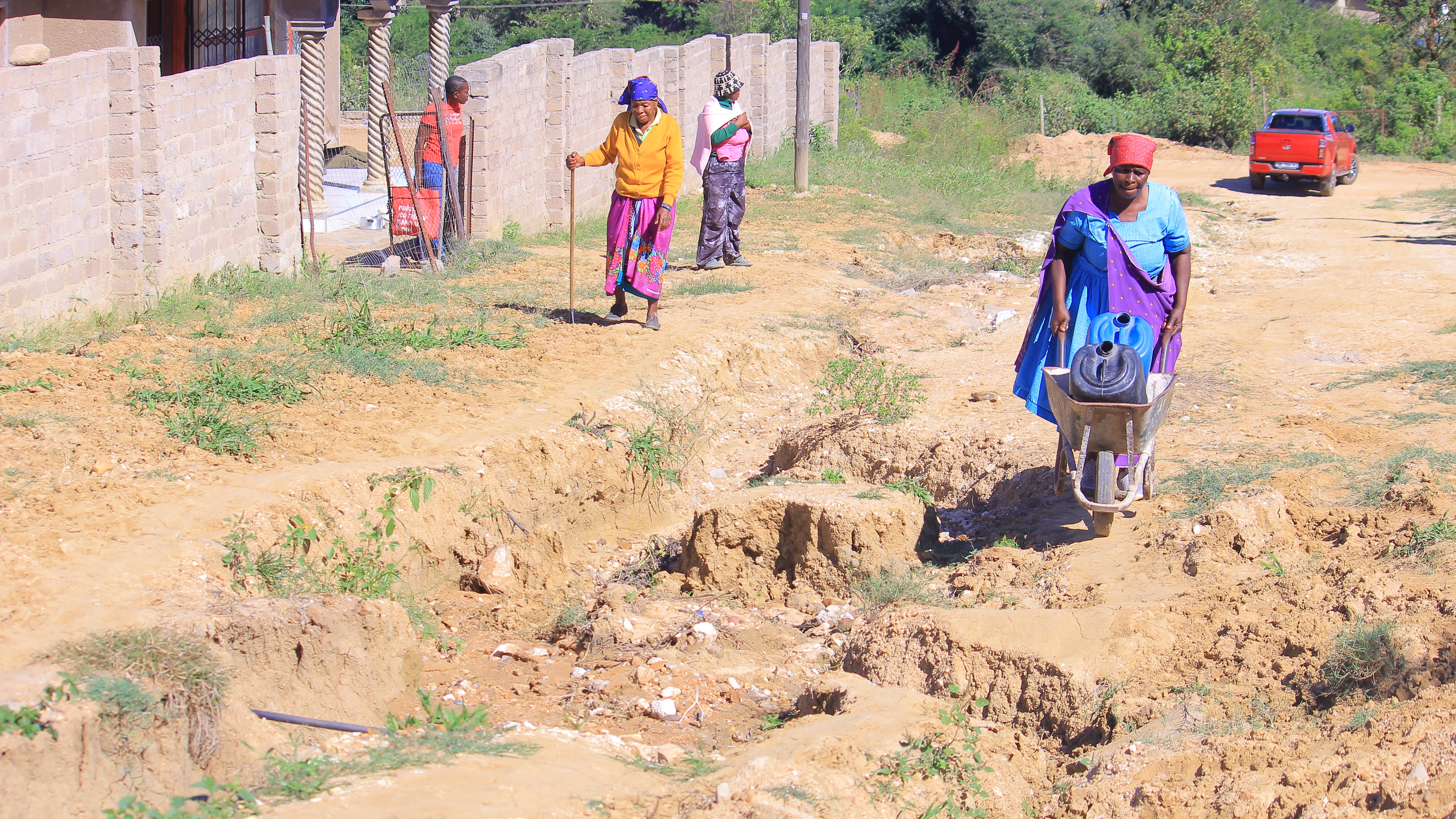
Grace Rikhotso from Bungeni pushes a wheelbarrow to collect water. She has to buy water from other residents who have private boreholes, in spite of a R486-million bulk water project meant to serve her community. Photos: Thembi Siaga
Residents of Chavani and surrounding villages in the Vhembe district of Limpopo are still without running water, despite a R486-million water system having been built in the area.
Responding to questions, Vhembe District Municipality spokesperson Moses Shibambu said the water system project started in 2022 and was completed in November 2025, but because of vandalism and insufficient water availability, it is not yet operational.
Testing will be completed by the end of May, he said. He did not respond to follow-up questions on when families would start receiving water.
When GroundUp visited the site earlier this month, the project – intended to serve 40,981 households – did not appear to be complete. There are new reservoirs and pies, but only a few communal standpipes have been installed, and these have been vandalised.
Residents say they are still relying on alternative water sources. “I use my SASSA grant money to buy water,” said Grace Rikhotso from Bungeni, one of the villages covered by the system. “We are tired of the government. I will not vote in the coming election because I don’t believe anything will change. They damaged our streets and never fixed the roads. How do we push wheelbarrows [with water] now?”

Many residents travel several kilometres with wheelbarrows to buy water per container.
“They just use our village name for the project, but our people are not benefiting,” said Chavani Chief Sikheto Thomas Mukari.
Project steering committee chairperson Vonani Khorombi said there were no working standpipes. “They told us the project is at 100%, but it was not handed over to the community.”
Shibambu did not respond to questions about the lack of standpipes.
The original budget for the project, funded through the Municipal Infrastructure Grant, was R318-million, but it was later increased to R486 million. R482-million has been spent to date, said Shibambu.
The Department of Water and Sanitation website attributes the increase in costs to inflation, fuel price increases and exchange rate fluctuations. Also, there were differences between engineers’ estimates and contractor pricing during the tender process, with bids varying significantly from initial estimates.
Published with Limpopo Mirror
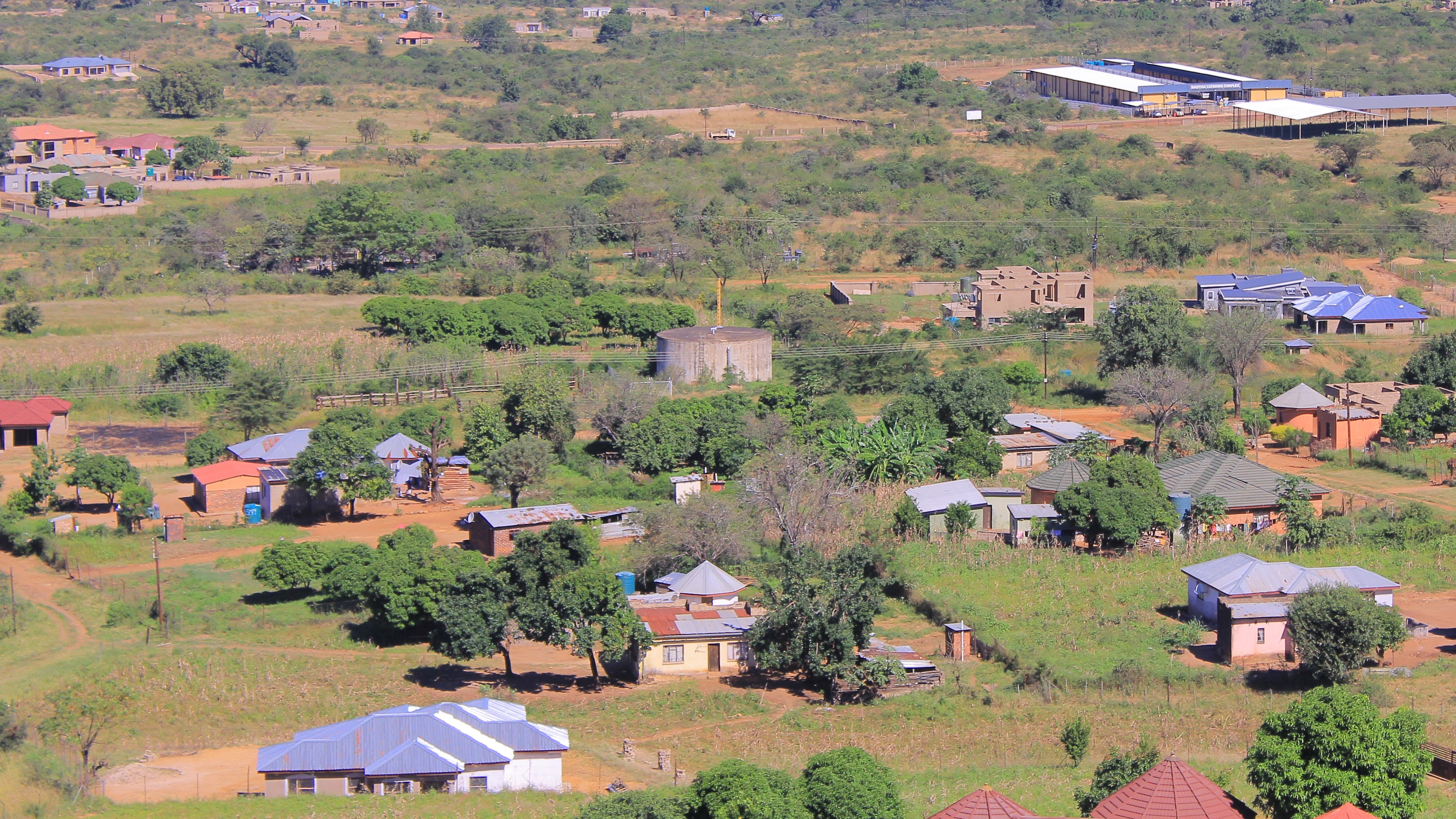
An old reservoir in Bungeni that previously stored water supplied from the N’waManungu Dam, before parts of the old pipeline system were damaged during the construction of a new bulk water project.
Support independent journalism
Donate using Payfast

Don't miss out on the latest news
We respect your privacy, and promise we won't spam you.
Next: Elim school building was declared unsafe almost five years ago – learners are still in it
Previous: Judge tells minister to get water to Eastern Cape families
© 2026 GroundUp. This article is published under the GroundUp Republication Licence Version 1.0. Email [email protected] to request permission to republish.