
Home Affairs dragged to court over late birth registration backlog
Tens of thousands of children live without legal recognition or access to grants, health care and education
 Add GroundUp on Google
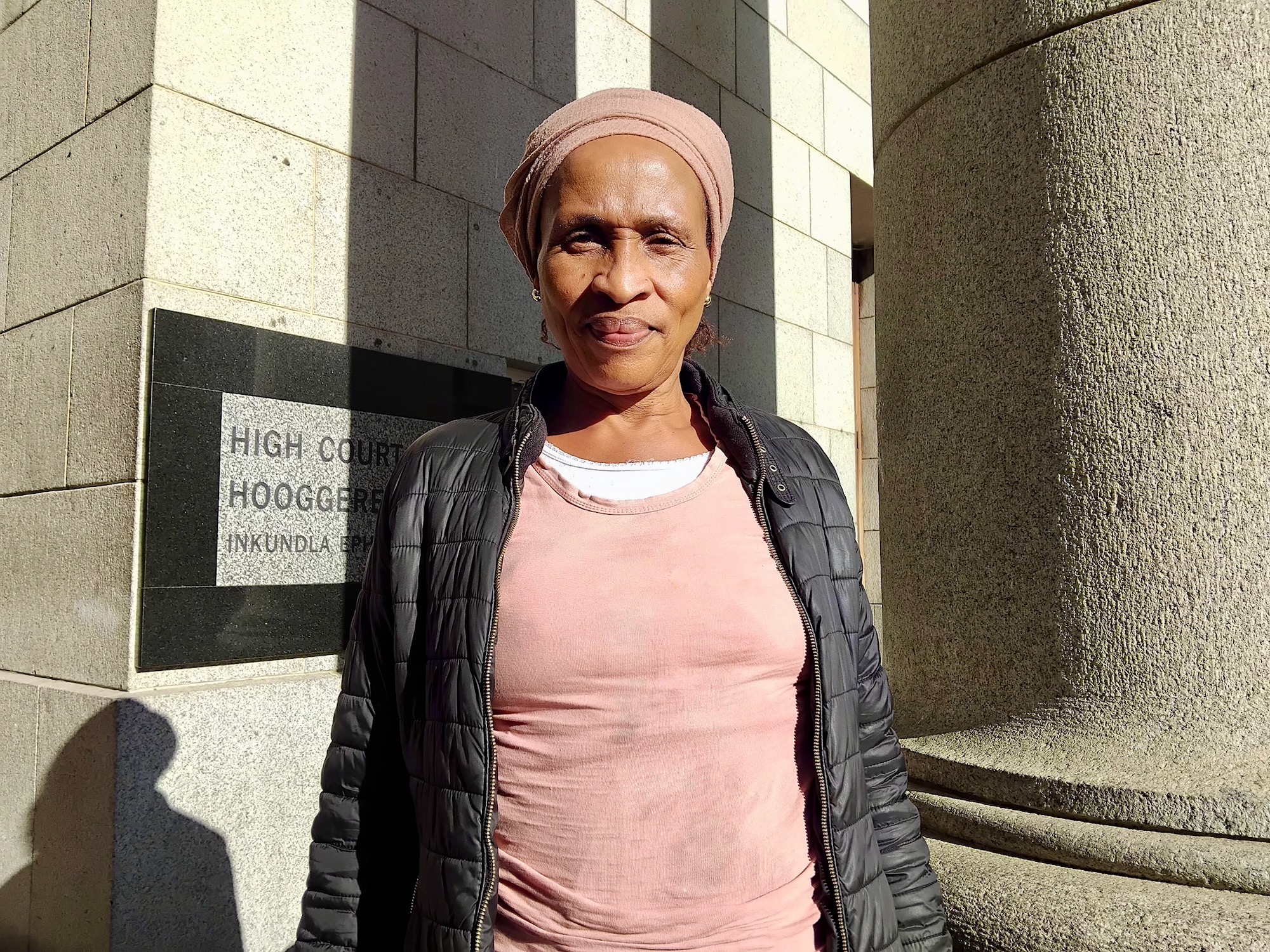
Nozibele Dada, 62, has spent more than a decade trying to get a birth certificate for her grandson, Qhamani. Her story was one of several cases cited in evidence to argue that Home Affairs’ delays in processing birth registration applications are systemic and unconstitutional. Photo: Marecia Damons
- The Children’s Institute and Legal Resources Centre want the Western Cape High Court to order Home Affairs to develop and implement a plan to clear its birth registration backlog.
- Evidence before the court included cases of children waiting up to seven years for decisions on birth registration applications.
- The organisations say at least 33,000 people are in this predicament.
- Home Affairs says the backlog is not systemic but unavoidable, and late birth registrations have been significantly reduced.
Nozibele Dada, 62, has spent more than a decade trying to get a birth certificate for her 15-year-old grandson, Qhamani. He was born in Butterworth, Eastern Cape, and has lived with Dada in Langa, Cape Town, since he was eight months old. His mother, 17 at the time, could not register his birth as she did not yet have an identity document.
After years of trying to obtain the necessary documents, including travelling to the Eastern Cape to get a maternity certificate, Dada and Qhamani’s father lodged a late registration of birth application at Home Affairs in Cape Town in June 2021. Five years later, they are still waiting.
Dada says she is unable to get answers from Home Affairs. When a social worker followed up, officials requested additional documents that had not been mentioned when the application was first submitted.

In April, Dada’s old-age pension and two child support grants were suspended because Qhamani did not have a birth certificate.
“It was very difficult. I had to use my mother’s old age grant to buy food,” said Dada.
The grants were later restored after the UCT Children’s Institute intervened, but Dada fears they could be stopped again.
Court action
Dada’s experience was one of several examples the Children’s Institute and Legal Resources Centre (LRC) submitted in its court papers to argue that delays in processing late birth registrations are systemic and unconstitutional.
The organisations say Home Affairs has failed to develop and implement a plan to address its backlog of undecided applications and prevent it from continuing to grow. They want the court to order the department to develop a remedial plan.
Children’s Institute advocate Daniel Linde told the Western Cape High Court on Wednesday that delayed birth registration has far-reaching consequences.
“Without a birth certificate, children in South Africa have no legal recognition. Their existence, nationality and name are unrecognised. That alone is a violation of their fundamental constitutional rights that also bears on the ability of children to access social support, education and healthcare,” Linde told the court.
A late registration of birth application is made when a child is registered more than 30 days after birth. The Births and Deaths Registration Act makes allowance for these applications, but parents and caregivers cited in the case waited between two and seven years for a decision.
Linde said that Aaron Motsoaledi, Home Affairs minister at the time, told Parliament in 2023 that about 258,000 undecided applications had accumulated between 2018 and 2022.
Home Affairs later reported that the backlog had been reduced to about 33,000 applications by May 2025. The applicants dispute this figure, arguing that the department has not explained how it was calculated and that the true backlog remains significantly larger.
Linde argued that the issue extended beyond the precise number: “If the court accepts that there are ‘only’ 33,000 people waiting for their births to be recognised, that’s a systemic issue.”
He said Home Affairs had failed to engage despite repeated attempts by both organisations to discuss the backlog before litigation was launched.
The organisations say delays are caused by applications sitting unprocessed for years, lengthy verification procedures, poor coordination between provincial offices, and the department’s reliance on manual records.
Home Affairs rejects claims
Home Affairs, however, rejected the claim that the backlog is systemic.
Advocate Adiel Nacerodien, representing Home Affairs, argued that late birth registrations are an unavoidable feature of the legal system because many births are registered months or years after they occur. In their answering affidavit, the department said this was “regrettable” but “unfortunately unavoidable,” pointing to contributing factors, including isolated rural areas, cultural practices and mothers who are themselves too young to have identity documents.
The department argued that because the legislation makes self-reporting the default, it is “hamstrung” when people fail to register births, and that late registration is neither unlawful nor unconstitutional.
Home Affairs also challenged the applicants to define what an acceptable backlog would look like. “What number is acceptable? What number is unacceptable? And how must this be determined?” the affidavit said.
The department argued these were “quintessential polycentric issues” that courts should leave to the executive, and that granting a structural interdict would breach the separation of powers.
Nacerodien argued that the applicants’ case had shifted during litigation: Home Affairs was originally called on to answer allegations that the backlog was growing exponentially, not to justify a precise figure.
“There is no alleged ‘systematic’ failure to address a rising backlog. Quite the opposite, the backlog has been addressed and alleviated. For that reason alone, the relief must fail,” said Nacerodien.
Judgment was reserved.
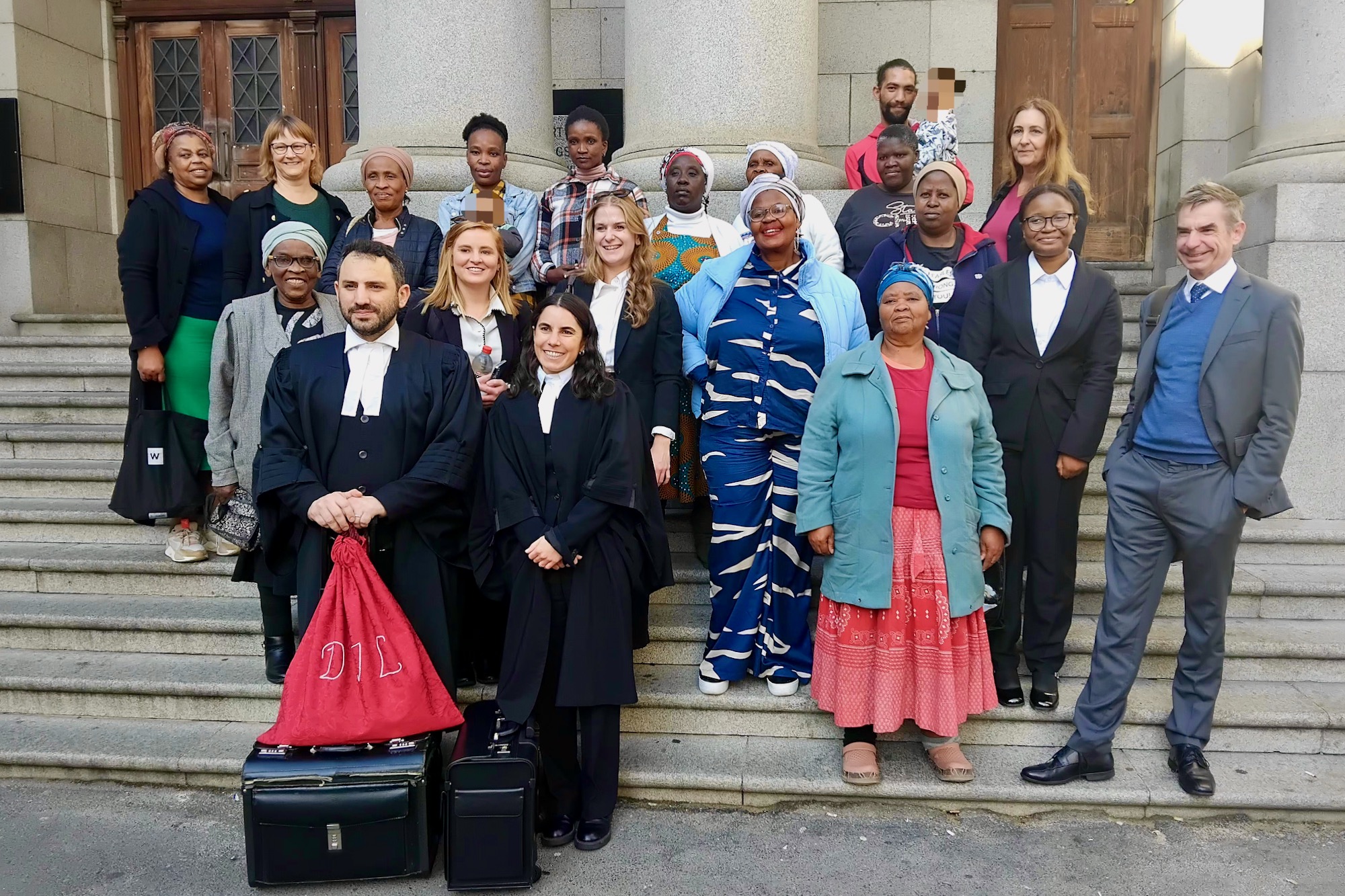
The Children’s Institute and Legal Resources Centre asked the Western Cape High Court on Wednesday to compel Home Affairs to develop and implement a plan to address the birth registration backlog and prevent it from growing.
Support independent journalism
Donate using Payfast

Don't miss out on the latest news
We respect your privacy, and promise we won't spam you.
Next: In photos: Hundreds board voluntary repatriation flight to Nigeria
Previous: Wild goats and open gates: government’s websites are asking to be hacked
© 2026 GroundUp. This article is published under the GroundUp Republication Licence Version 1.0. Email [email protected] to request permission to republish.